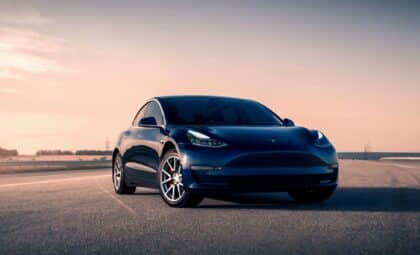

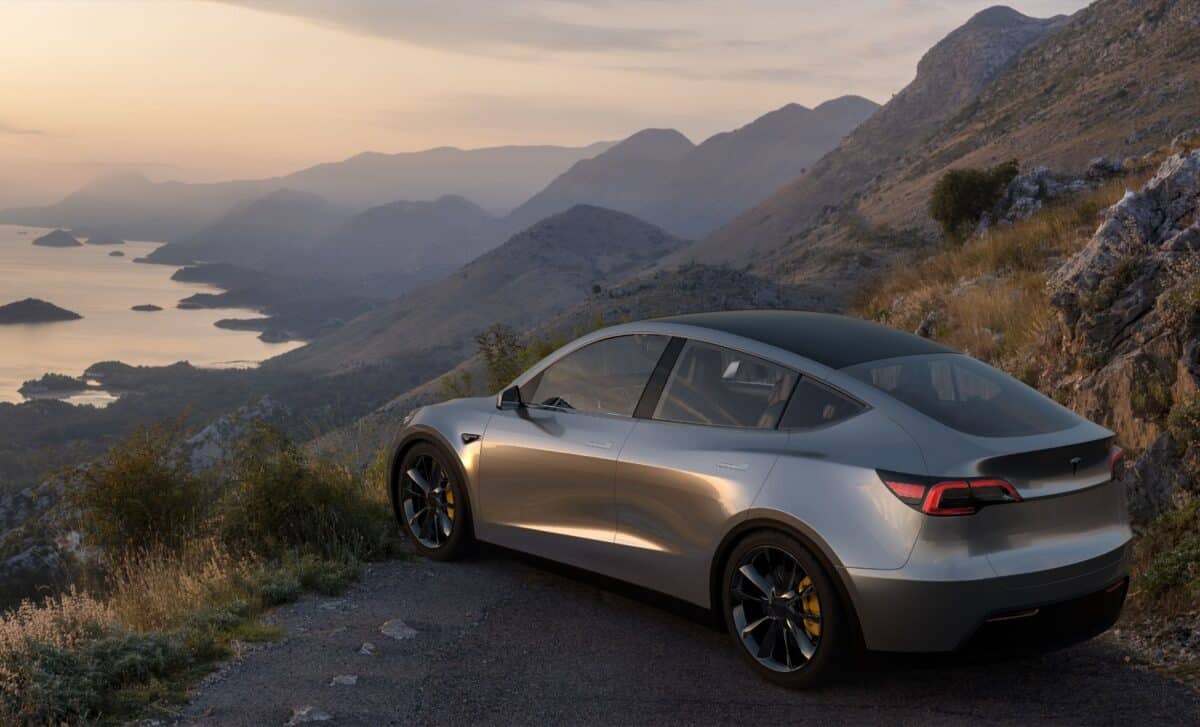
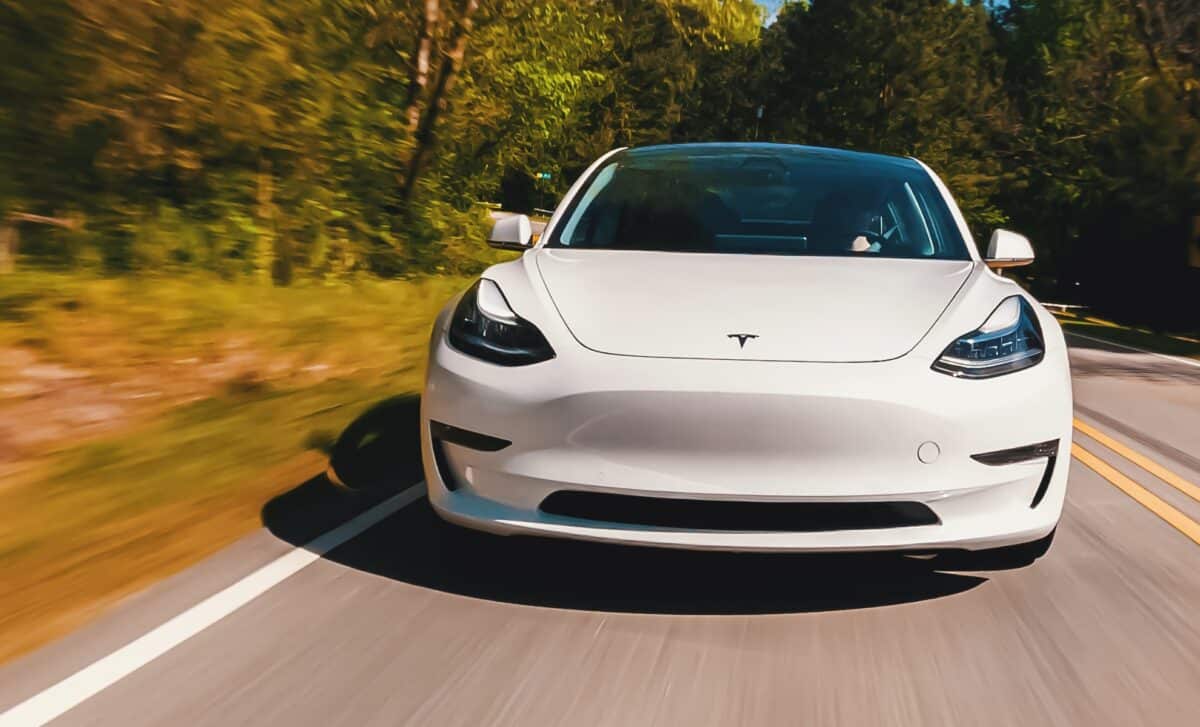
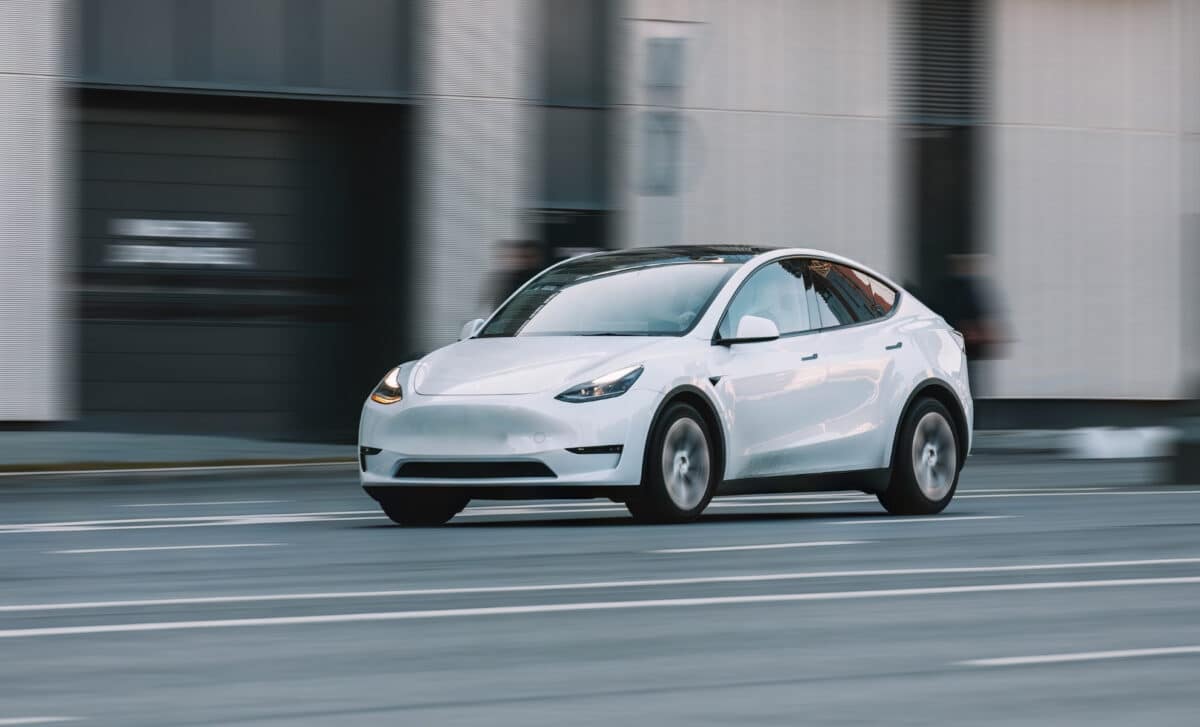
Tesla Model 3 and Model Y outperformed several competitors in a recent round of energy consumption tests, solidifying their reputation for long-range efficiency. The results place the Model 3 at the top with 20.8 kWh/100 km, followed by the Model Y at 21.8 kWh/100 km.
These tests, which simulate everyday driving conditions, have become a crucial benchmark for assessing the efficiency of EVs, particularly in one of the world’s most competitive electric car markets. The importance of efficiency in EVs cannot be overstated, especially as consumers and manufacturers increasingly focus on maximizing range and energy consumption.
Tesla’s Lead in Efficiency
Tesla’s Model 3 and Model Y have once again proven their dominance in China’s EV market by securing the top two positions in a recent efficiency test. Conducted by Autohome, a leading Chinese automotive platform, the test was designed to measure real-world energy consumption under identical conditions. The vehicles were driven with a full 375 kg cabin load at a steady 75 mph, simulating typical driving conditions.
According to Teslarati, the Model 3 posted a figure of 20.8 kWh/100 km, making it the most efficient EV tested. The Model Y followed closely behind with a consumption rate of 21.8 kWh/100 km. These results emphasize Tesla’s edge in energy efficiency, a critical factor for EV buyers, particularly those concerned with long-range performance.
Rival Brands Acknowledge Tesla’s Superiority
While Tesla’s dominance in these efficiency tests is clear, other EV makers are beginning to recognize the challenge of matching Tesla’s performance. Xiaomi’s CEO Lei Jun, whose company’s Xiaomi SU7 was also tested, acknowledged Tesla’s superiority in energy consumption.
In a post on the Chinese social media platform Weibo, Jun pointed out that while the Xiaomi SU7 performed well in the test, it naturally consumed more energy due to its larger size and higher specifications. According to Supercar Blondie, Jun further expressed admiration for Tesla’s efficiency and stated that his company would continue to learn from Tesla and strive to improve its own energy consumption.
A Competitive Market in China
China remains a hotbed for electric vehicle innovation, with both domestic and international brands vying for market share. In this highly competitive environment, the efficiency of EVs plays a pivotal role in determining which models succeed.
Autohome’s real-world tests, which focus on factors like energy consumption at steady speeds, offer valuable insight into how various vehicles stack up against each other. Tesla’s Model 3 and Model Y have now set the benchmark, making it difficult for rivals to catch up. While other automakers, including Xiaomi, are making strides in the EV sector, the latest efficiency results show that Tesla’s models are still the ones to beat in terms of long-range performance and energy efficiency.