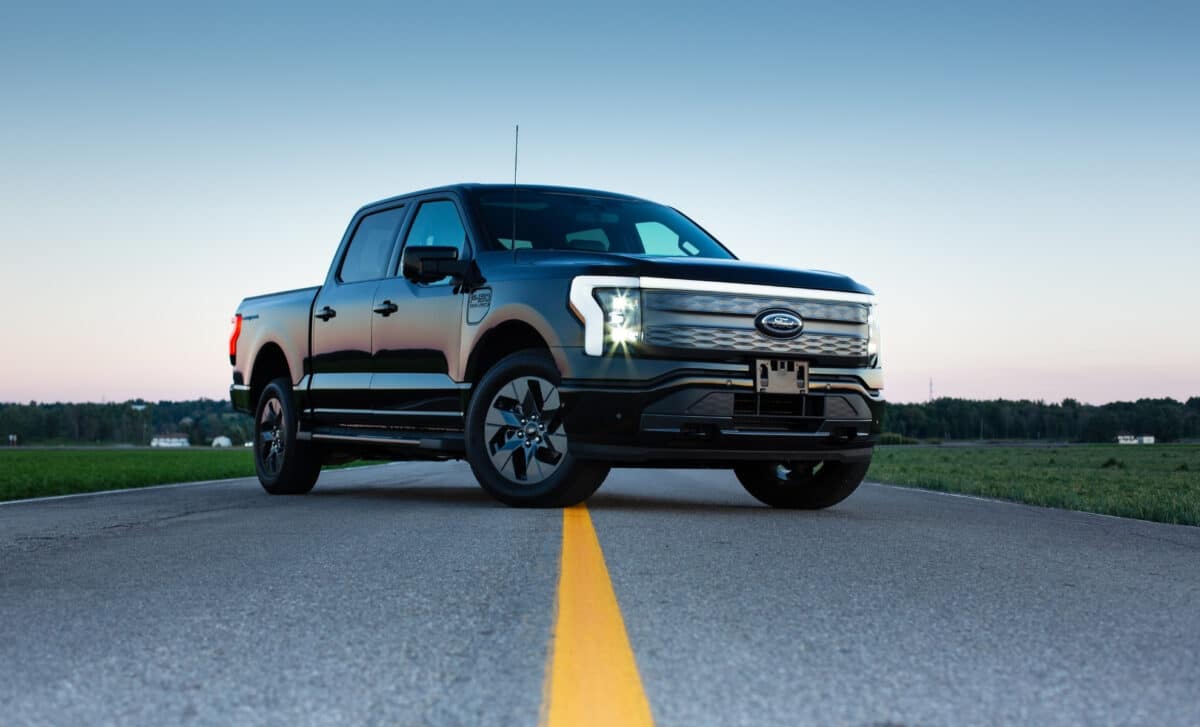
For years, Ford has championed its transition to electric vehicles, even leading the charge with the F-150 Lightning, an electric version of its best-selling truck. However, as the company struggled to make profits from large EVs, it now plans to restructure its approach.
The move to abandon the F-150 Lightning—along with a $19.5 billion charge—reflects the harsh realities of the electric vehicle market, where Ford has faced more challenges than anticipated. As a result, Tesla, a key competitor in the EV sector, stands to benefit from Ford’s retreat, particularly in the truck market.
Ford’s Struggles with Large Electric Vehicles
Ford’s exit from the large electric vehicle market follows years of underwhelming financial performance. According to the company, it has lost $13 billion on its EV business since 2023. Despite initial excitement about the electric F-150 Lightning, the automaker has found the business model for large EVs unsustainable.
High production costs, lower-than-expected demand, and evolving regulatory changes have made it increasingly difficult for Ford to turn a profit on these vehicles. The decision to discontinue the Lightning is part of a larger shift away from large EVs to more hybrid and extended-range models that promise better financial returns.
CEO Jim Farley and President Andrew Frick both emphasized that the company could no longer afford to invest billions more into large EVs with little hope of profitability. According to Farley, rather than continuing to pour money into large vehicles that “will never make money,” Ford is pivoting its strategy towards more profitable areas, including hybrid vehicles and new opportunities like energy storage. This restructuring highlights the increasing challenges that legacy automakers face as they try to balance the demand for electric vehicles with the realities of production and consumer preferences.
Tesla’s Advantage in the Electric Truck Market
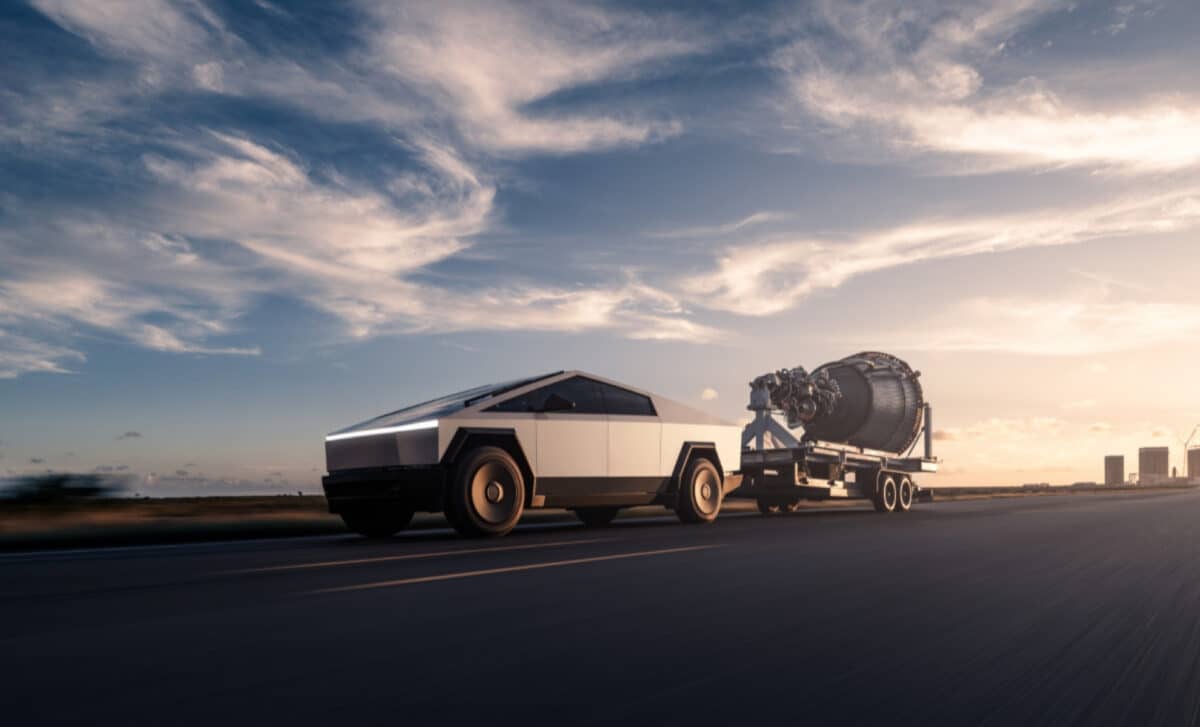
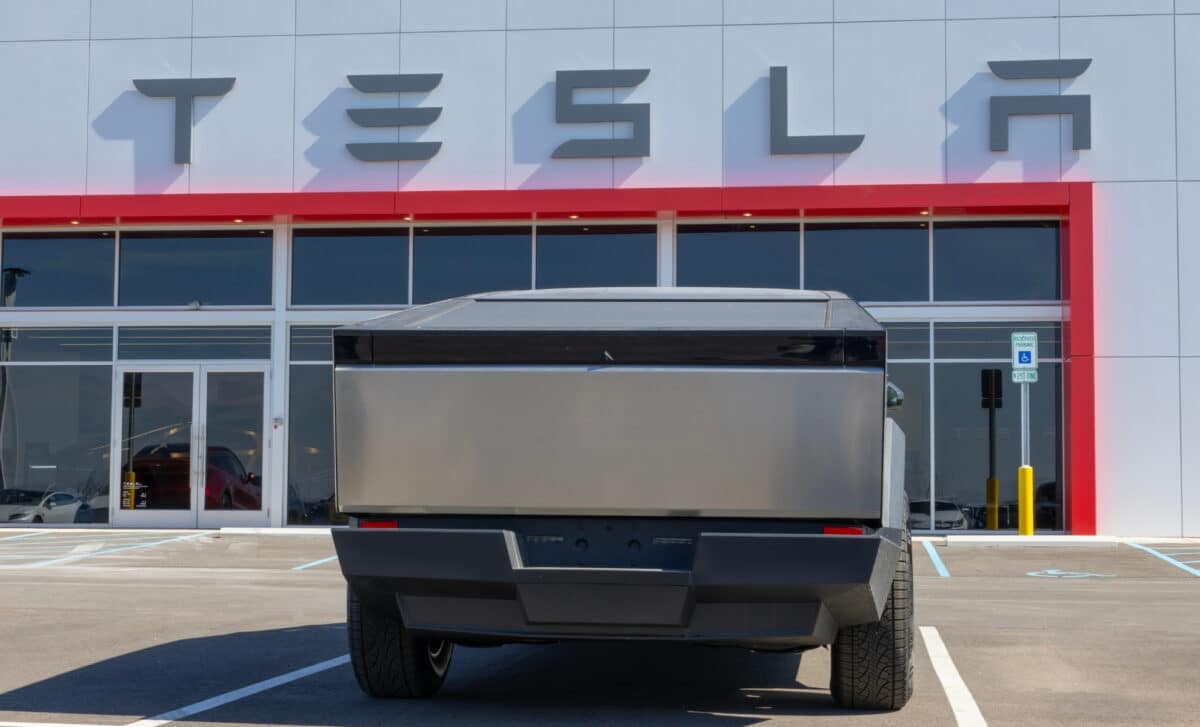
As Ford steps away from the electric truck market, Tesla is in a prime position to capture the growing demand for all-electric pickup trucks. With Ford halting production of the F-150 Lightning and other large EV projects, Tesla’s Cybertruck remains one of the few prominent electric trucks on the horizon. The Cybertruck, which has already garnered significant attention for its futuristic design and durability, could now see an accelerated path to market dominance, according to industry experts.
Tesla’s ability to produce large electric vehicles that blend innovative technology with efficient manufacturing processes gives it a competitive edge. While the F-150 Lightning was considered a strong contender in the EV truck market, Tesla’s growing presence and established reputation in electric vehicles make it well-positioned to attract Ford’s former customers. As Ford retools its strategy, Tesla’s market share in the large EV sector seems poised for growth, especially as the Cybertruck moves closer to production.
Ford’s New Focus: Hybrids and Extended-Range EVs
Ford’s pivot away from large EVs also signals a shift in its broader strategy toward more affordable and hybrid vehicles. The company plans to focus on trucks and vans that integrate both electric power and an onboard gasoline engine, which can extend the range for longer trips. These vehicles are expected to better meet the needs of consumers who require flexibility and practicality without the high costs associated with fully electric models.
This shift comes after years of Ford investing heavily in electrification efforts. However, the company’s acknowledgment that large EVs are no longer a viable business case demonstrates the challenges that even well-established automakers face as they navigate the transition to electric power. According to the Wall Street Journal, Ford’s new focus will include expanding hybrid offerings, affordable EVs, and entirely new sectors like energy storage. It’s clear that the path forward for Ford will no longer be centered on large electric trucks, but rather more versatile and cost-effective electric and hybrid vehicles.