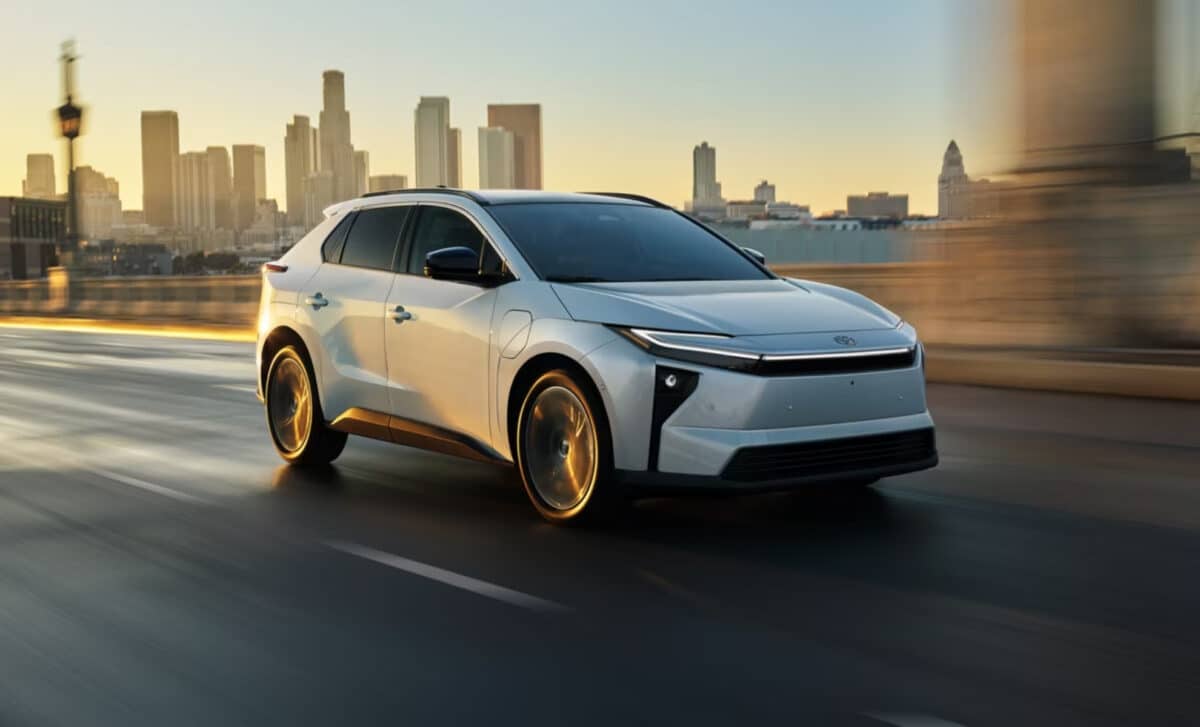
The improvements arrive as Toyota revises its electric strategy in the United States, where range and charging access remain decisive factors for buyers. With a 25% increase in estimated range compared to its predecessor, the new bZ positions itself more competitively in a crowded EV segment.
The model, previously known as the bZ4X, now reflects a more targeted approach. Toyota focused its updates on the features drivers prioritize most, including efficiency, charging speed, and usable driving distance.
Real-World Tests Push the BZ Beyond Official Estimates
Independent testing suggests the 2026 Toyota bZ can outperform its EPA rating under typical driving conditions. Edmunds recorded a total range of 331 miles for the XLE Plus trim, exceeding the official 314-mile estimate by 17 miles.
The test followed a structured methodology designed to mirror everyday use. It combined 60% city driving and 40% highway driving, maintaining an average speed of 40 mph while staying close to posted limits. Climate control was set to auto at 72 degrees, and the vehicle operated in its most efficient mode.
Even with this strong performance, the bZ did not lead the segment. The front-wheel-drive Chevy Equinox EV reached 356 miles, while the Tesla Model Y Standard achieved 337 miles under the same conditions. Still, the Toyota model outperformed several rivals, including the Honda Prologue Elite AWD at 320 miles, the Volkswagen ID.4 Pro S at 299 miles, and the Nissan Ariya at 265 miles.
Improved Efficiency and Battery Configurations
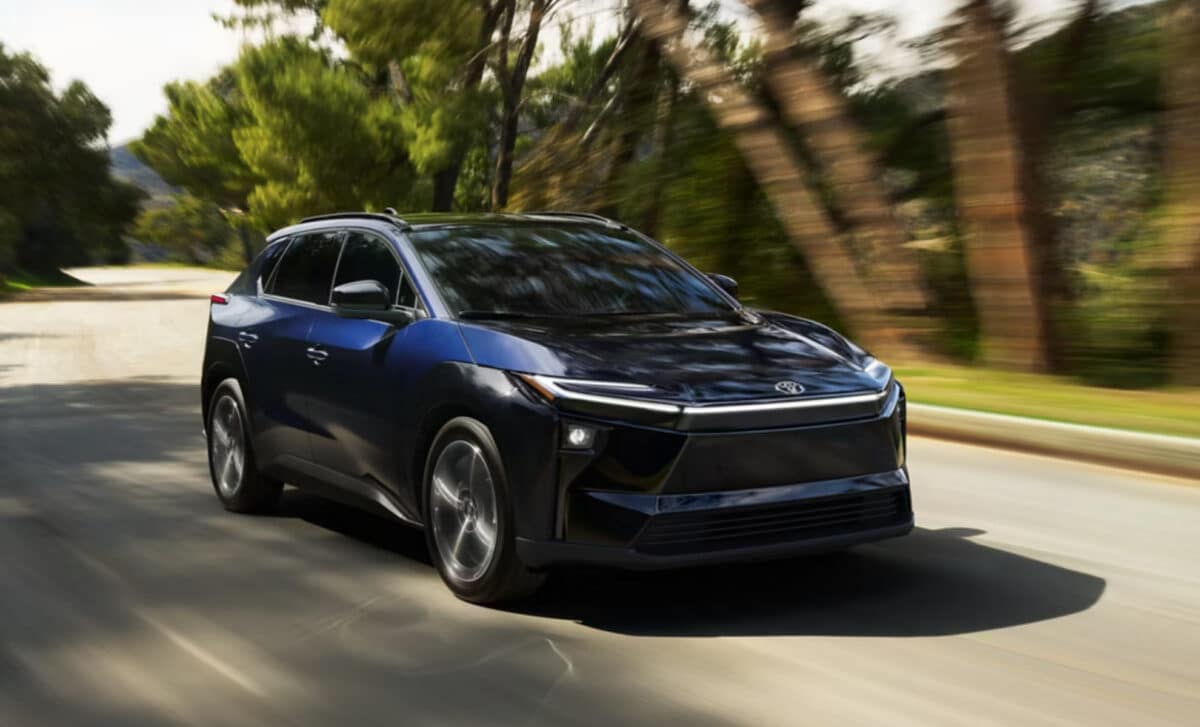
Efficiency gains also played a role in the bZ’s extended range. According to Electrek, the vehicle consumed 23.3 kWh per 100 miles during testing, improving by 11.4% compared to the EPA’s official figure of 26 kWh per 100 miles.
This performance is tied in part to the available battery configurations. The XLE Plus trim uses a 74.7 kWh battery, larger than the 57.7 kWh pack found in the base XLE version. The smaller battery delivers an EPA-estimated 236 miles of range, while the larger unit supports figures above 300 miles depending on configuration.
Pricing varies accordingly. The base XLE starts at $34,900, while the XLE Plus begins at $37,900. Other trims include the XLE AWD at $39,900, the Limited FWD at $43,300, and the Limited AWD at $45,300, all equipped with the larger battery except the entry-level version.
Charging Upgrades and Growing Market Presence
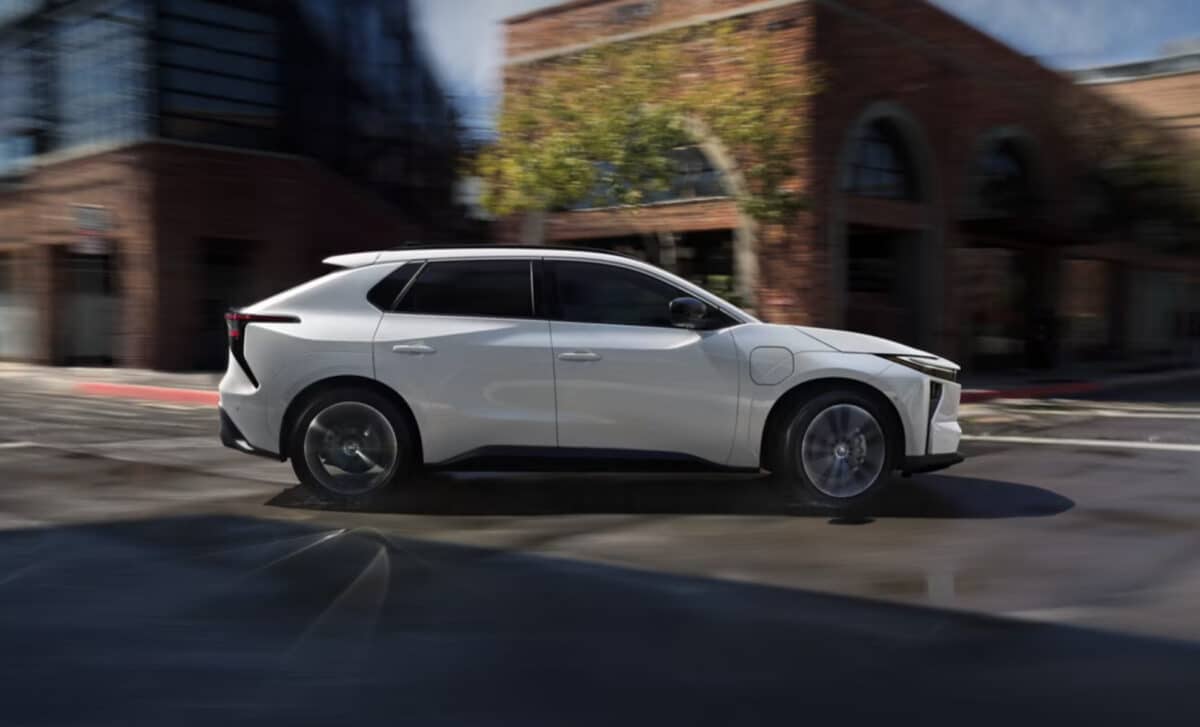
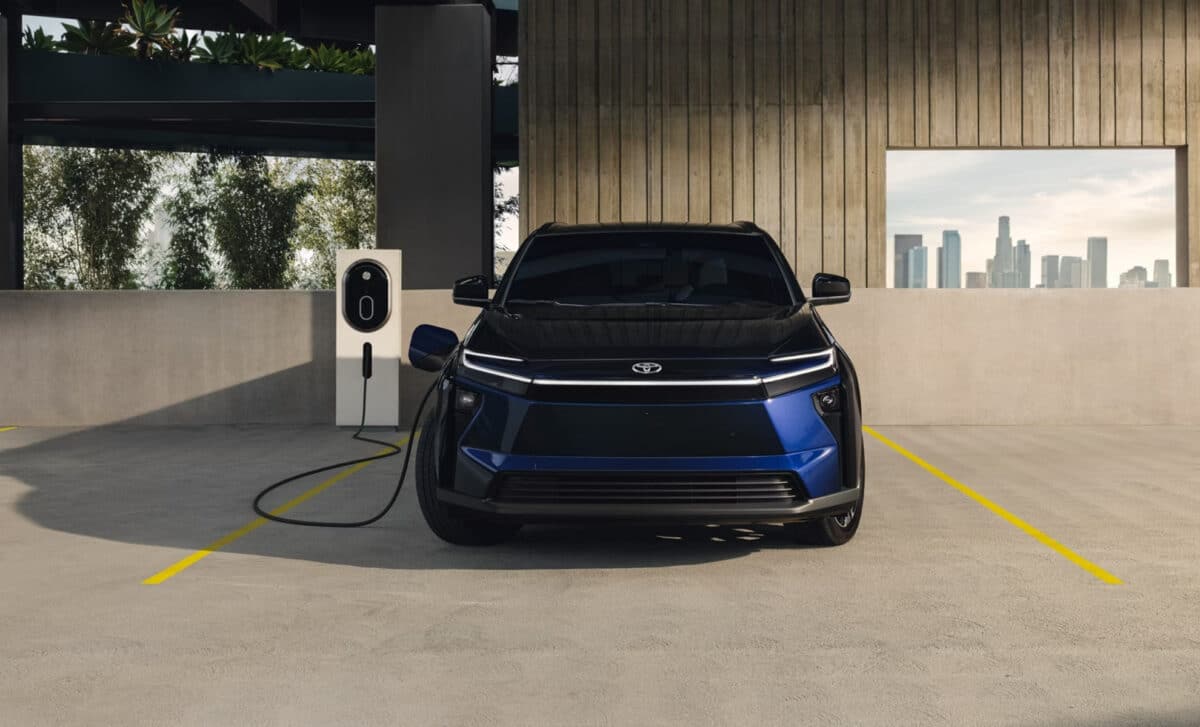
Toyota has also addressed charging accessibility, a key limitation of earlier models. The 2026 bZ includes a native NACS port, allowing direct access to Tesla’s Supercharger network. This expands charging options significantly for drivers across the United States.
Faster charging capability is part of the update, though specific charging speeds are not detailed in the source. The addition aligns the bZ with a broader industry shift toward standardized charging solutions.
These updates have already impacted sales performance. In the first quarter, the bZ ranked as the third best-selling electric vehicle in the US, behind the Tesla Model Y and Model 3.
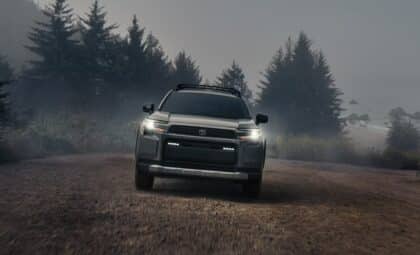
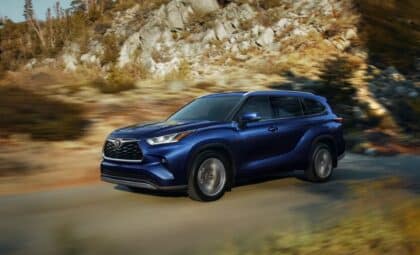
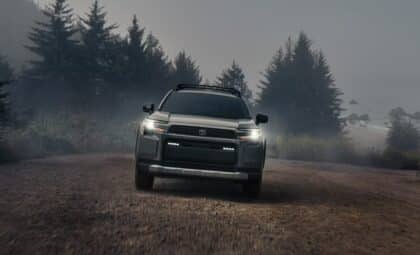
Toyota’s electric lineup continues to expand alongside this model. The company now offers three electric SUVs, including the smaller C-HR and the off-road-oriented bZ Woodland Touring. A three-row Highlander EV is expected to join the range later this year, signaling a broader push into the electric SUV segment.