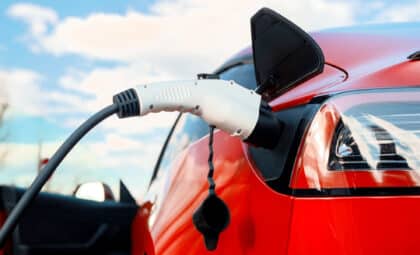

According to S&P Global Mobility data, only 59,802 EVs were registered in the U.S. in January, out of just under 1.2 million new cars sold overall. The EV market share dropped to 5.1%, down from 8.3% in January of last year.
Gas-powered vehicles reclaimed 76.6% of the market, a 2.3 percentage point increase, while hybrids edged up one point to reach 14.7%. Registration numbers serve as a proxy for sales because some manufacturers, Tesla among them, do not report monthly U.S. figures separately from their global deliveries.
The removal of the federal incentive has created what industry observers describe as a vicious cycle. Without the tax credit, fewer buyers can afford the price gap between EVs and their gas-powered counterparts. At the same time, automakers no longer face financial penalties for failing to sell sufficient numbers of electric vehicles, which has reduced their urgency to push new models onto the market.
A Wave of Cancellations Hits the Industry
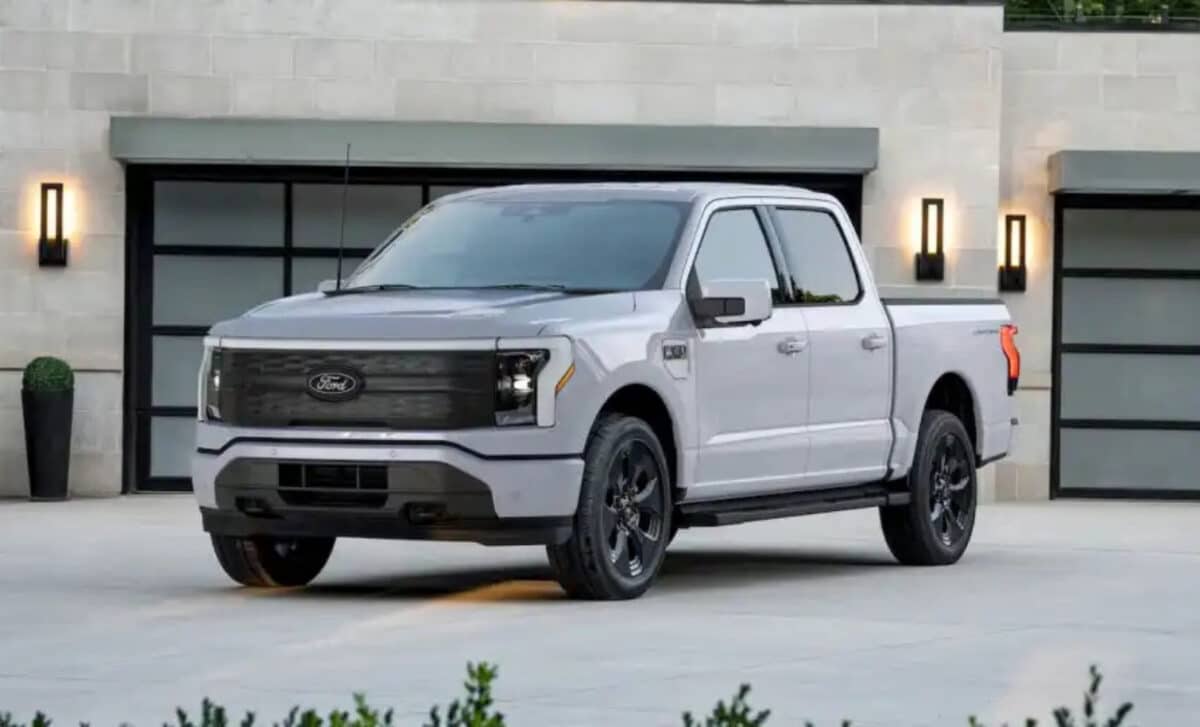
The policy shift has had concrete consequences on the production side. Several automakers have canceled or discontinued electric models in the months since the incentive was removed. Ford discontinued the F-150 Lightning, despite it being America’s best-selling electric pickup truck.
Tesla announced it will discontinue the slow-selling Model S and Model X in the second quarter. Honda and Ram canceled their upcoming flagship EVs before they even reached dealership floors, absorbing billions of dollars in lost investment in the process.
Tesla, which remains the largest EV player in the United States, registered 32,123 cars in January, a 26% drop year-over-year. Cadillac, the country’s second-best-selling EV brand, still managed to grow registrations by 8.1% in the same period.
A Handful of Brands Still Managed to Grow
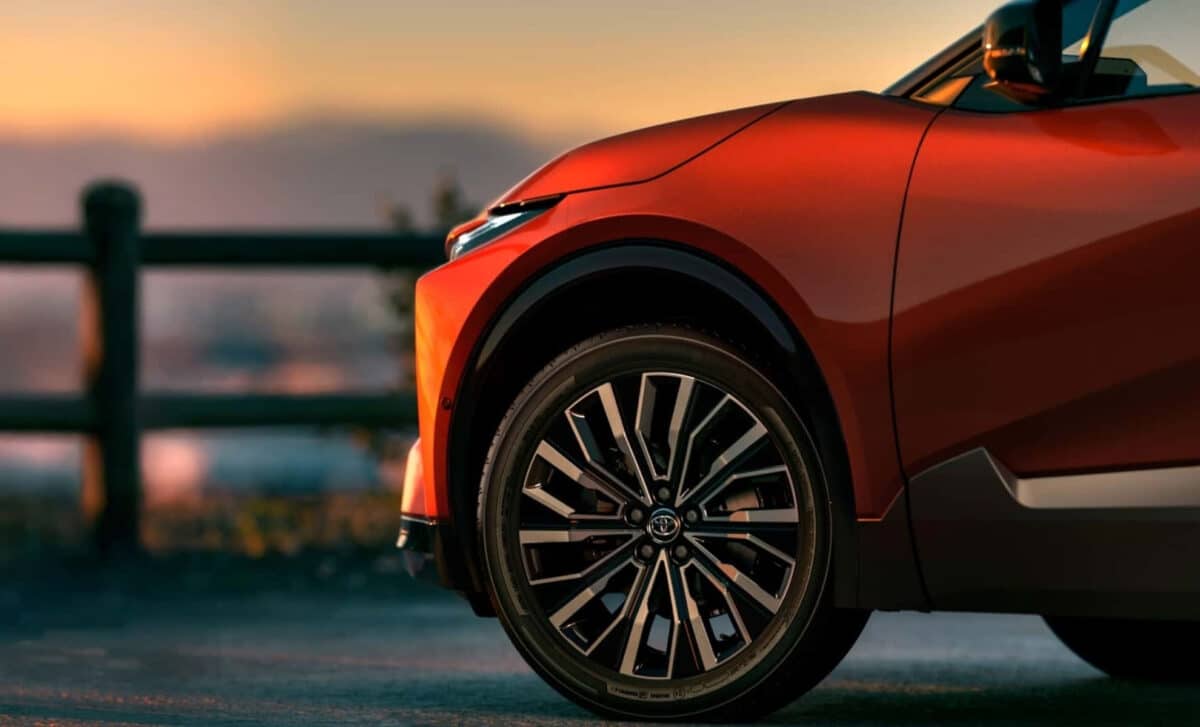
Not every automaker posted losses. As reported by Automotive News using S&P Global Mobility data, Toyota recorded a 25% increase in EV registrations in January, while Lucid nearly doubled its numbers with a 97% jump compared to the same month last year. Lexus saw a 166% spike, and Maserati recorded a 140% increase.
Those percentage gains, however, need to be put into perspective. Lexus sold 810 EVs during the month, while Maserati found just 12 buyers for its electric lineup. The raw volumes remain modest, even as the relative growth figures look striking on paper.
New Models on the Horizon, and a Contrast With Europe
Despite the difficult environment, some manufacturers are moving forward with new launches. Rivian is set to release its long-awaited R2 mid-size SUV this spring, opening a new market segment for the California-based startup.
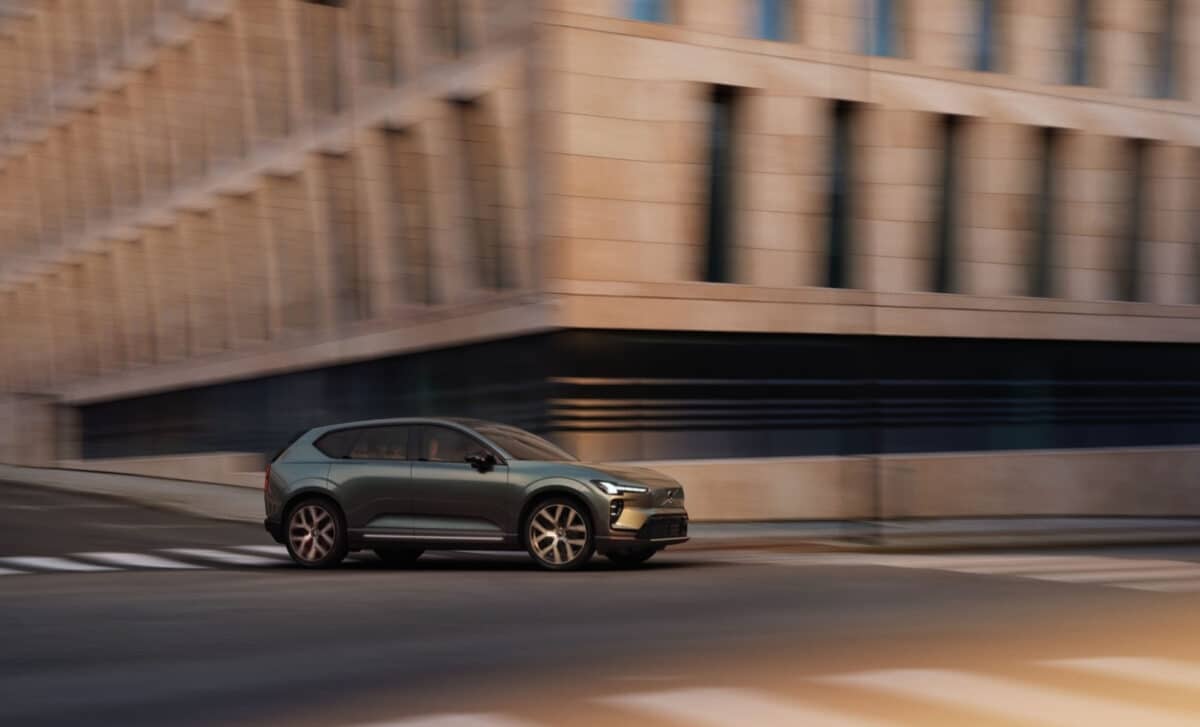
Lucid is also expanding into the more affordable mid-size space with two upcoming crossovers, the Cosmos and the Earth. On the traditional automaker side, the new BMW iX3, Volvo EX60, and Mercedes-Benz GLC are being positioned around fast charging speeds and long driving ranges.
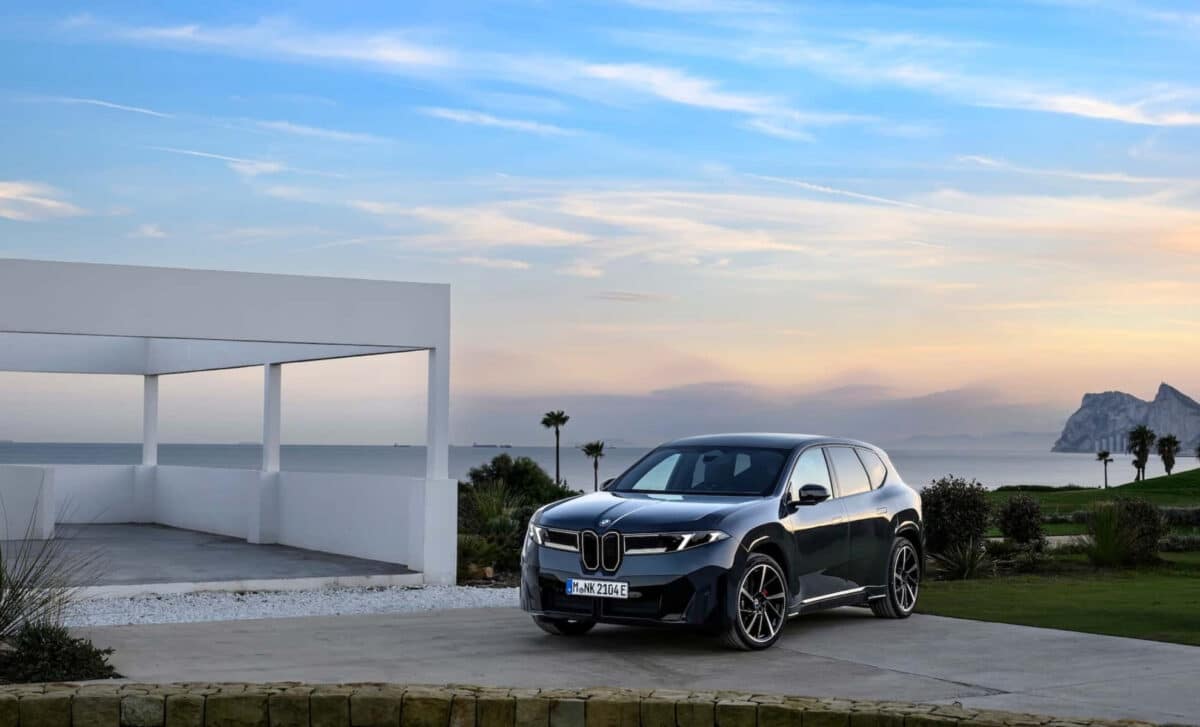
The contrast with Europe is sharp. According to InsideEVs, nearly 190,000 EVs were registered across the continent in January alone, a 13.9% year-over-year increase that pushed market share from 14.9% to 19.3%. Back in the U.S., Tom Libby, an analyst at S&P Global Mobility, summed up the situation plainly: “It’s what we expected. It’s a reset, and it’s going to be a very slow process moving forward.”