
The German automaker recently reported a 14% drop in first-quarter 2026 profit, reaching $2.92 billion, a decline linked to higher U.S. tariffs and growing competition from Chinese manufacturers. At the same time, Volkswagen has already announced major restructuring plans, including cutting around 50,000 jobs in Germany by 2030 and reducing annual production capacity by up to 3 million units.
Against this backdrop, the company is exploring new strategies to optimize operations and make use of existing industrial capacity. One of the most notable options under review involves closer integration with its Chinese partnerships, both in production and product development.
A Potential Shift Toward China-built Vehicles In Europe
Volkswagen CEO Oliver Blume acknowledged on April 30 that the group is considering selling vehicles built in China within the European market. According to Reuters, this marks the first time the company has publicly confirmed such a possibility.
Blume explained that Volkswagen is assessing whether there are opportunities for its Chinese partners in Europe, particularly as the company deals with excess production capacity in the region. He suggested that collaboration could involve opening European facilities to these partners, stating that one option could be “opening this for partnering, maybe with our partners we do have in China.”
Volkswagen maintains joint ventures with three Chinese state-owned automakers, SAIC, FAW, and JAC, and also holds a stake in electric vehicle maker Xpeng. None of these partners currently operate production facilities in Europe.
European Plants And Partnerships Under Consideration
The idea of allowing Chinese partners to use Volkswagen’s underutilized European plants comes as the group seeks to cut costs by 20% by the end of 2028. The planned reduction in production capacity to 9 million units annually raises the likelihood of plant closures or sales.
Blume downplayed concerns that such a move could strengthen Chinese competitors in Europe. He indicated that collaboration could be structured in a way that aligns with Volkswagen’s broader strategic goals.
At this stage, no final decisions have been made. Factors such as tariffs, logistics, and regulatory conditions remain key considerations in determining whether China-built vehicles could realistically enter the European market.
China-Developed Models May Fill Gaps In Volkswagen’s Lineup
Beyond production, Volkswagen is also evaluating whether vehicles developed in China could be introduced in Europe, particularly in segments where the brand currently lacks offerings, as reported by Autoblog. Blume noted that the company is examining “which models could fit in Europe, especially in segments where we are not present.”
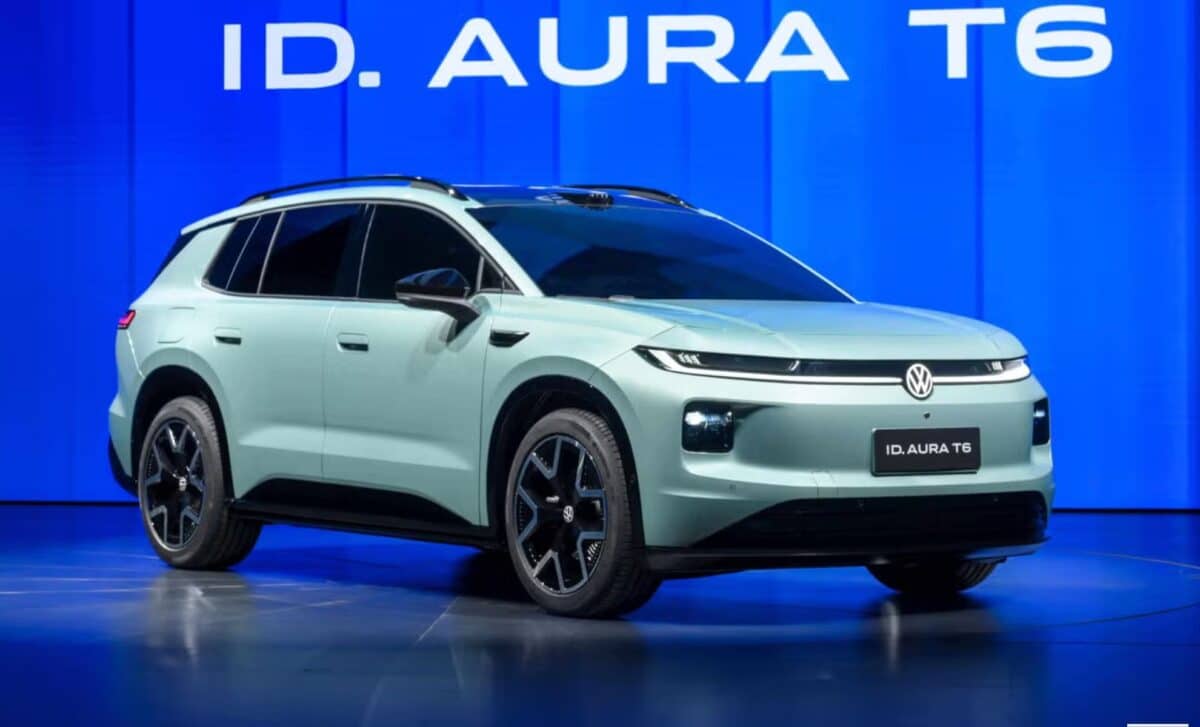
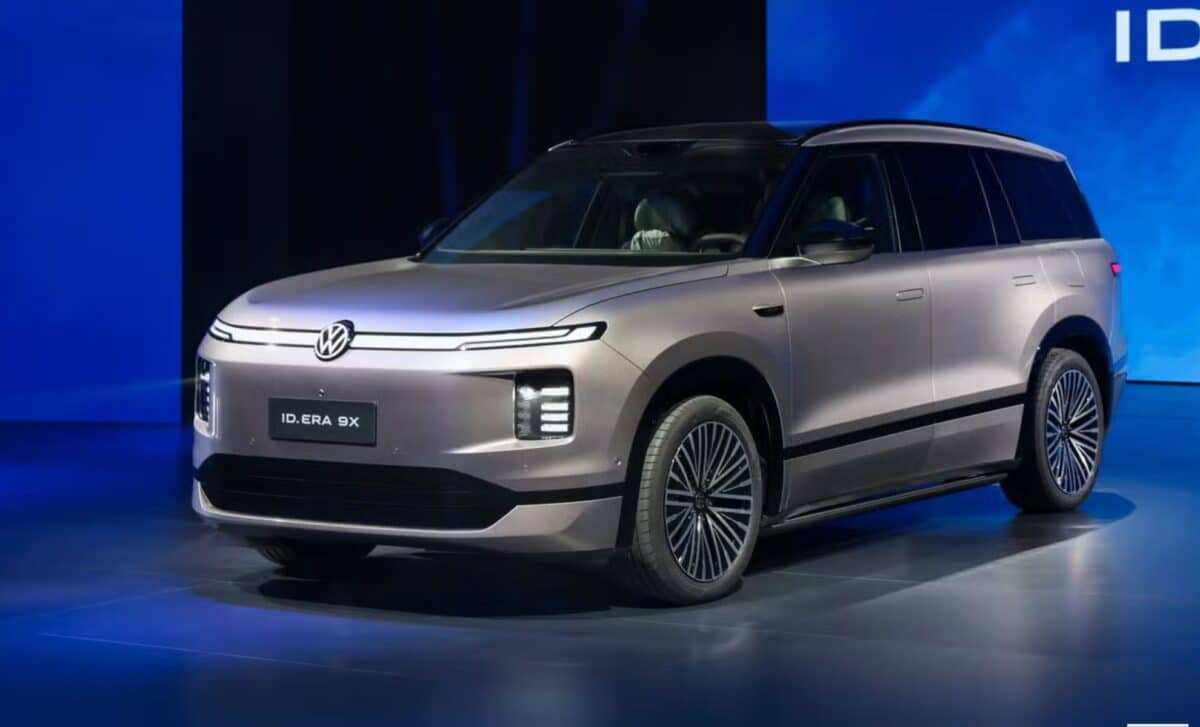
At Auto China 2026 in Beijing, Volkswagen unveiled several electric models developed with its Chinese partners. These included the ID. Unyx 09 sedan and ID. Unyx 08 SUV from the Volkswagen Anhui joint venture with Xpeng, as well as the ID. Aura T6 from FAW-Volkswagen. The company also presented models such as the Jetta X SUV, the ID. Era 9X from SAIC-VW, and the AUDI E7X premium SUV.
According to Autocar, Blume emphasized that before any potential introduction to Europe, these China-developed vehicles are expected to be prioritized for other regions, including South America, Asia, the Middle East, Africa, and India. He also noted that if localization in Germany were considered, Volkswagen would first prioritize using its own platforms.
Volkswagen’s leadership believes its strong presence in China could support its global operations by bringing innovation, speed, and new practices to Western markets.