
The vanishing transmission dipstick in newer cars might seem like a small thing, but it signals a bigger shift in how cars are designed and serviced. As automakers simplify systems and add more tech, it’s worth knowing what that means for drivers and gearheads.
Why They’re Removing the Dipstick
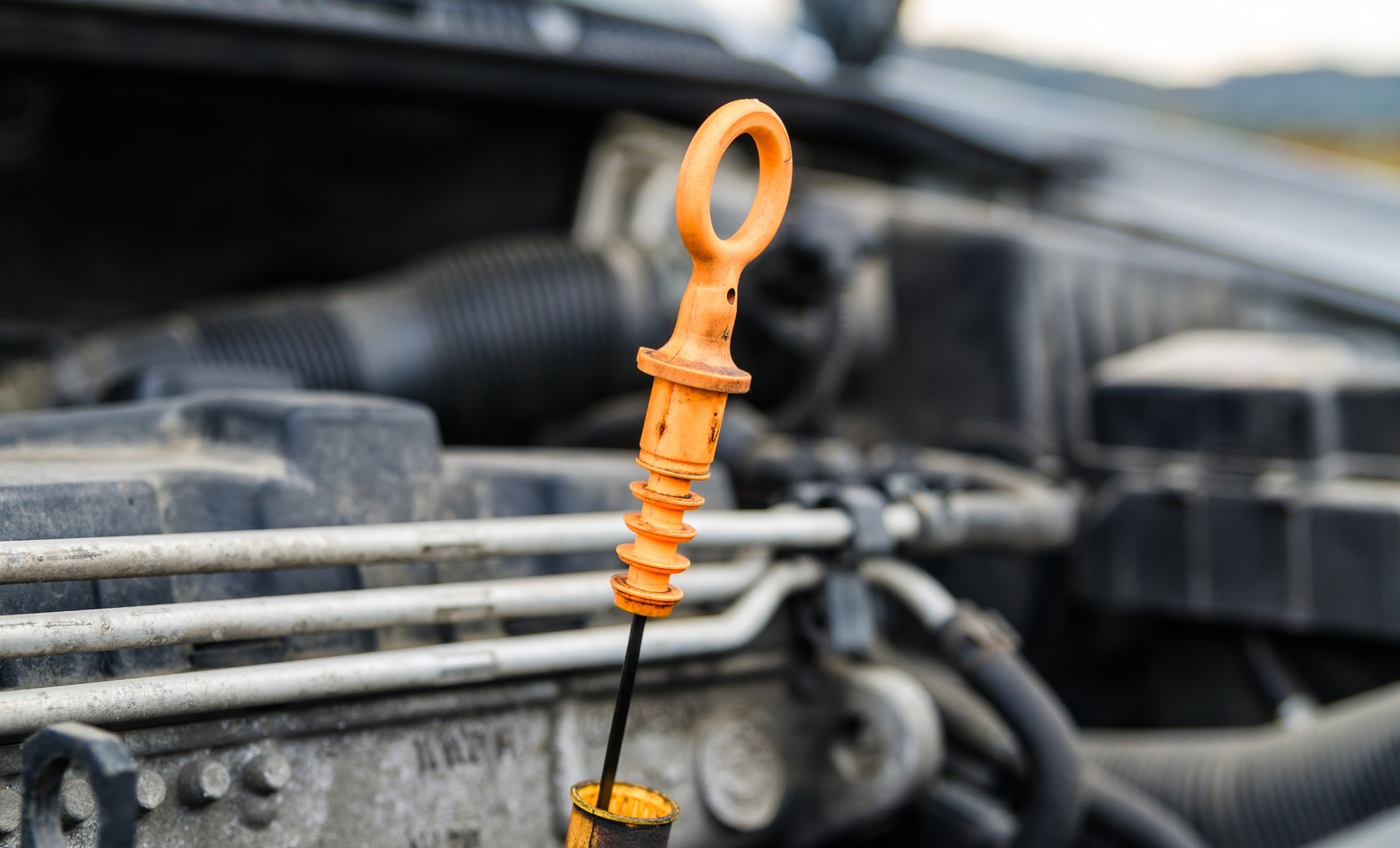
Automakers have been steadily removing the transmission dipstick, the old standby for checking fluid levels, from many new models. Two main ideas explain this move. One is cost savings: by ditching the dipstick, manufacturers say they save “a few pennies” per vehicle, and multiplied across millions of cars that adds up.
The other reason is sealed transmissions. A sealed system can cut down on leaks thanks to tighter tolerances. That helps drivers who aren’t handy with car work, since using the wrong fluid can cause problems. Sealed designs also reduce the chance of dust and moisture getting in during unnecessary checks.
Tech and Modern Transmissions
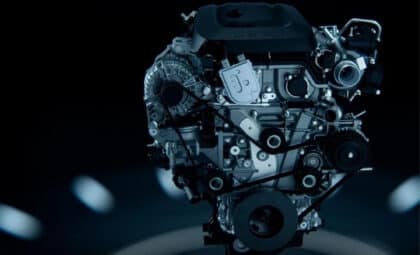
Today’s transmissions are as much electronics as mechanics. They use sensors and software that constantly talk to the vehicle’s Engine Control Unit (ECU) to watch for issues, reducing the need for regular manual checks. That shifts diagnostic work toward electronic tools, with technicians often using an On-Board Diagnostics (OBD) scanner for jobs that used to be done by hand.
Most modern transmissions also use advanced synthetic fluids that handle higher temperatures and resist oxidation better. Automakers claim these fluids can last “over 100,000 miles” without trouble, which is another reason they argue the dipstick isn’t needed.
The Pushback and Counterarguments
Still, many drivers aren’t thrilled. Enthusiasts and DIYers who like to work on their cars miss the dipstick. Without it, owners may have to make more dealer visits unless they have the right tools and know-how. While automakers say sealed systems prevent dust and moisture contamination, critics point out the same risk exists if the service center isn’t tidy (or, as some detractors put it, in an “unkempt service center“).
Marketing that labels fluids as lasting the “lifetime of the transmission” is also controversial. Critics note that in corporate language, those claims often map to the warranty period rather than a real lifetime. Transmission makers themselves usually recommend regular fluid changes, which challenges the idea that any fluid can last forever.
What This Means for Vehicle Owners
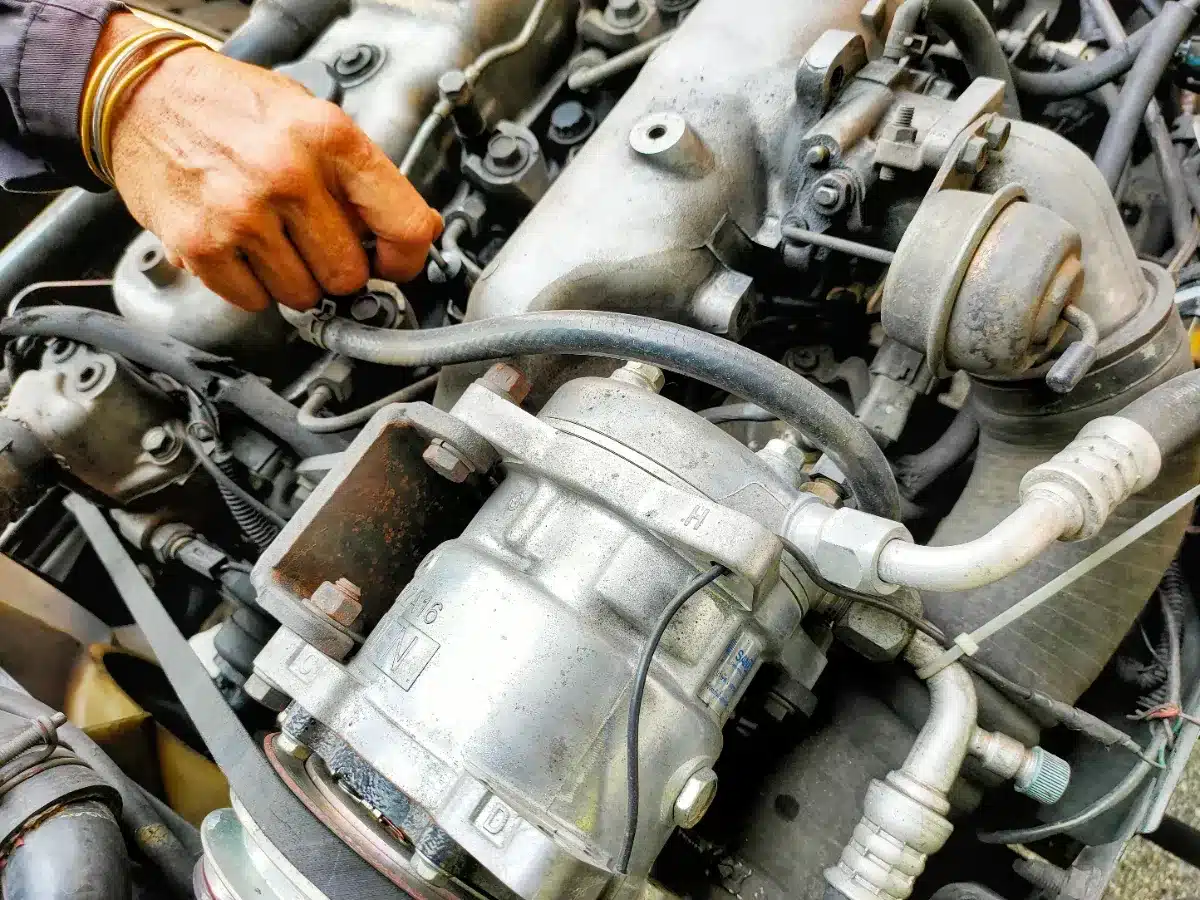
Sealed transmissions bring both headaches and conveniences. Checking and changing transmission fluid without a dipstick is more involved: technicians need to warm the engine to a specific temperature, inspect fluid through a check plug, and refill using specialized pumps. On the flip side, modern diagnostic tools handle most of this work for users, shifting responsibility from the owner to the dealer or service center.
Knowing how these systems work matters as car tech moves faster. Losing the dipstick may become the norm, but for now it marks a broader shift toward electronic and software-driven maintenance, and a nudge for consumers to stay informed and adapt.