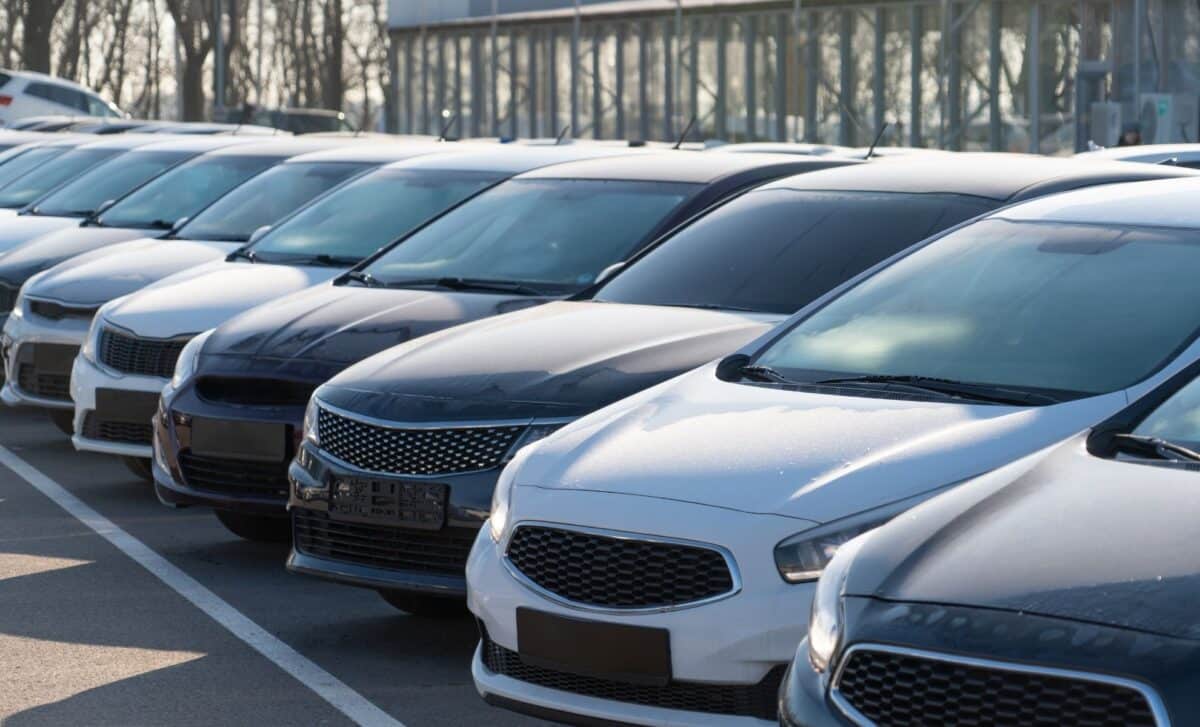
This surge in availability is set to provide consumers with a greater selection of low-mileage, well-equipped EVs at more affordable prices. The upcoming influx of these vehicles could make 2026 the best year yet for those looking to buy a used electric car.
The driving force behind this trend is a sharp increase in lease returns, particularly as the lease market rebounds from a dip in 2022. Around 400,000 additional off-lease vehicles are expected to be available in 2026.
This is crucial for buyers who have been shut out of the new car market due to high prices and interest rates. These returning EVs, many of which were leased during the tax credit era, will bring a mix of desirable features, solid range, and relatively low mileage to the used market.
A Surge in Off-Lease EVs
The increase in off-lease vehicles is a direct result of changes in car leasing trends. During the past few years, many consumers chose to lease electric vehicles, driven by the availability of favorable tax incentives and the attractiveness of low monthly payments.
According to Edmunds, a significant 71% of EVs sold in recent years were leased, primarily due to the way tax credits were applied. When the $7,500 federal tax credit was available for leased EVs, it allowed buyers to take advantage of the benefit even if the vehicle was manufactured outside of North America.
Now, with leases reaching their term and a recovery in leasing activity, the market is about to see a substantial increase in the number of leased EVs coming back. In 2026, buyers will have access to a much larger inventory of off-lease electric vehicles, many of which are only a few years old and have low mileage. This will offer them the opportunity to purchase well-maintained EVs at lower prices compared to new models.
EV Depreciation Works in Buyers’ Favor
One of the key factors making used EVs more affordable is the depreciation rate. Electric vehicles generally lose value faster than traditional gas-powered cars, with a depreciation rate of about 13% more than gasoline vehicles. This trend has led to a price drop for used EVs, with many well-equipped models now retailing for significantly less than they originally cost.
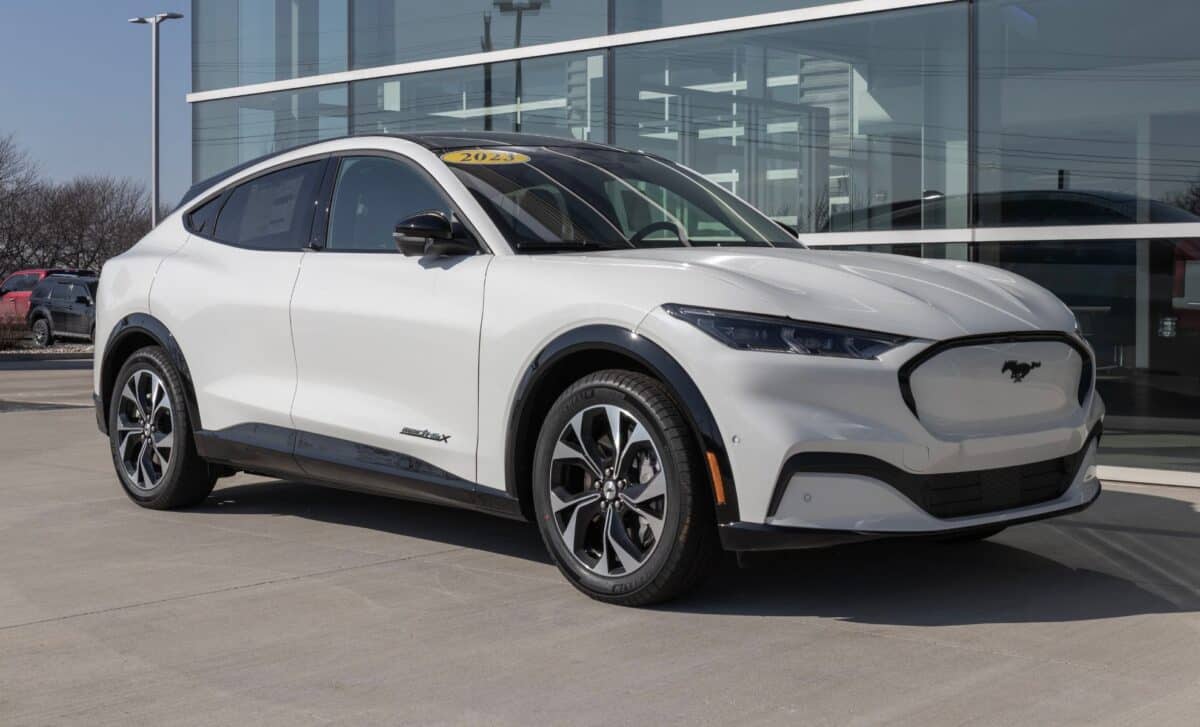
For example, the Ford Mustang Mach-E, which was once priced considerably higher, now averages around $28,970 on the used car market, according to CarGurus. This is an attractive option for consumers who want a high-tech, long-range EV without paying the premium price of a new model.
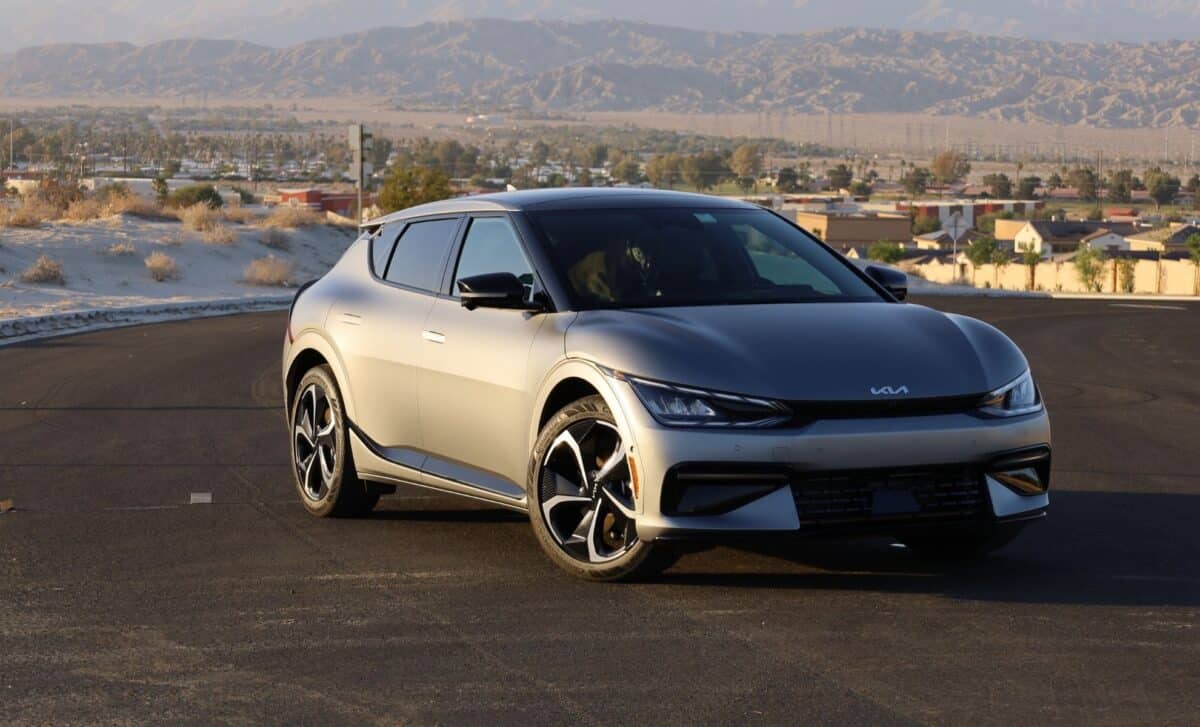
Similarly, the Kia EV6, once priced above $50,000, is now listed at around $27,427 for a used model. These price drops make previously expensive EVs more accessible to a wider range of buyers, opening the door for those who may have been unable to afford them new.
Even the Tesla Model Y, a widely popular electric vehicle, can now be found on the used market for approximately $29,429. This pricing, combined with the features and performance Tesla offers, provides buyers with an opportunity to purchase a nearly new EV for a fraction of its original cost. These lower prices, driven by depreciation, make 2026 an excellent time to purchase a used electric vehicle.
The Battery Health Myth
A common concern for used EV buyers is battery health. However, studies and real-world data suggest that modern EV batteries are remarkably durable. Many electric vehicles, including older Tesla models, have been shown to retain 80% or more of their battery capacity even after reaching 200,000 to 300,000 miles. This durability means that even after a few years of use, a used EV can still offer a solid range, making it a reliable option for consumers looking to purchase a pre-owned car.
Most of the off-lease vehicles expected to hit the market in 2026 will have less than 30,000 miles on the odometer, meaning battery degradation will be minimal. For example, a lease return like a 2023 Ford Mustang Mach-E with a range of 290 to 306 miles will likely retain much of its original performance, offering potential buyers peace of mind regarding the condition of the vehicle’s battery.
Given the durability of modern EV batteries and the relatively low mileage of off-lease vehicles, concerns over battery degradation are increasingly irrelevant. As the used EV market grows, it will become an even more attractive option for those looking to make the switch to electric vehicles without worrying about costly repairs or performance issues.