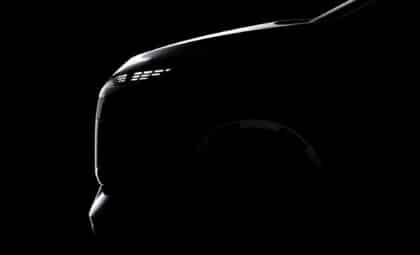
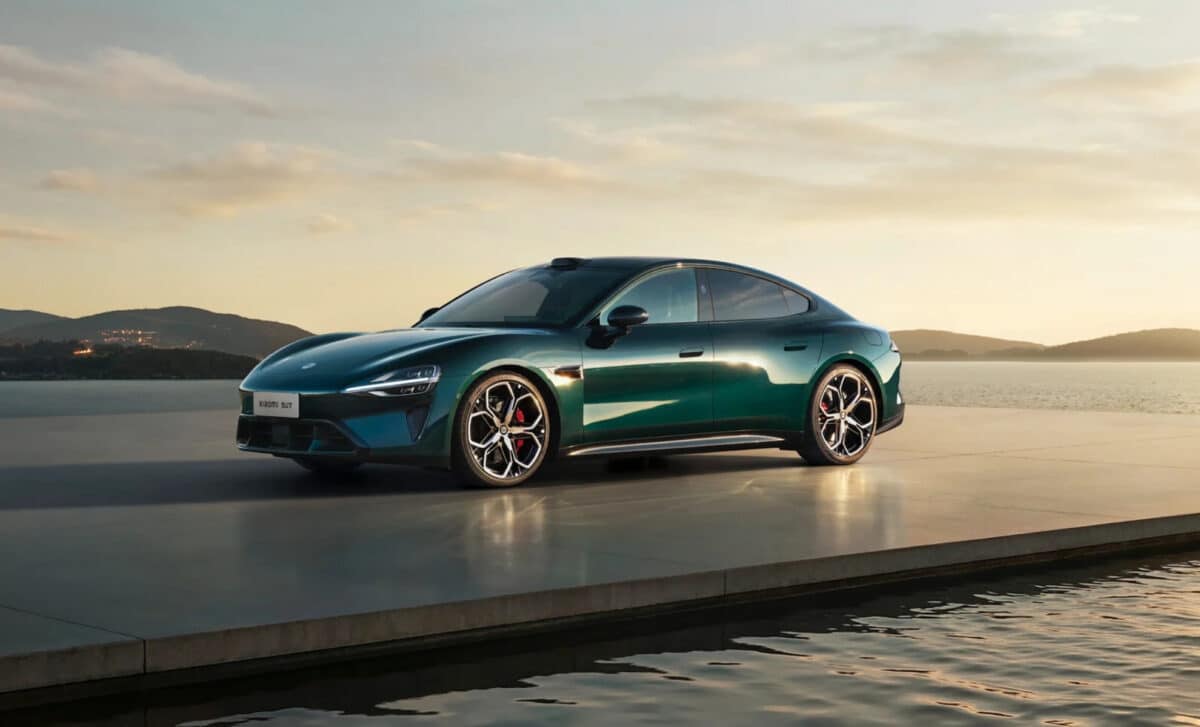
First introduced two years ago, the SU7 quickly became one of the best-selling premium electric sedans in China. The company has delivered more than 360,000 units in roughly 21 months, and, Xiaomi overtook Tesla Model 3 sales in the Chinese market by late 2025.
The new version builds on that momentum with targeted improvements addressing earlier limitations, particularly in charging speed, safety, and driver-assistance systems. The model also generated nearly 89,000 pre-orders within 24 hours when reservations opened in January.
A Higher-Voltage Platform Delivering Faster Charging and Longer Range
The next-generation SU7 introduces a significant shift in electrical architecture. The Standard and Pro variants move from a 400V system to a 752V platform with silicon carbide inverters, while the Max version increases from 871V to 897V, approaching a 900V configuration.
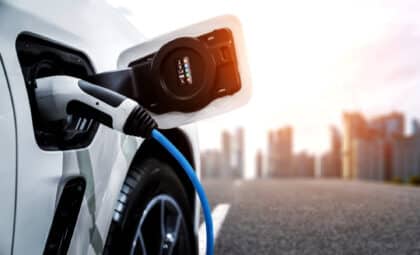
These changes translate into faster charging performance. Xiaomi states that the Max trim can add up to 670 km of range in just 15 minutes, compared to 510 km previously. The company also claims 5C charging capability, allowing the battery to charge from 10% to 80% in about 11 minutes.
Range figures improve across the lineup. The Standard model now reaches 720 km CLTC, up from 700 km. The Pro version stands out with 902 km, an increase of 72 km, while the Max offers 835 km, up from around 800 km. According to Electrek, this positions the SU7 above Tesla’s current offerings in terms of rated range under the same cycle.

Power, Chassis Upgrades, and Refined Design Elements
All versions now come equipped with Xiaomi’s V6s Plus motor. Output rises to 320 hp for the single-motor Standard and Pro variants, compared to 299 hp previously. The dual-motor Max increases from 673 hp to 690 hp.
Chassis improvements are also notable. The Pro trim now includes dual-chamber air suspension with Continuous Damping Control, a feature previously limited to the Max version. All models adopt wider staggered tires, measuring 245 mm at the front and 265 mm at the rear, along with four-piston fixed front brake calipers. The Max further benefits from Brembo calipers paired with drilled and vented discs.
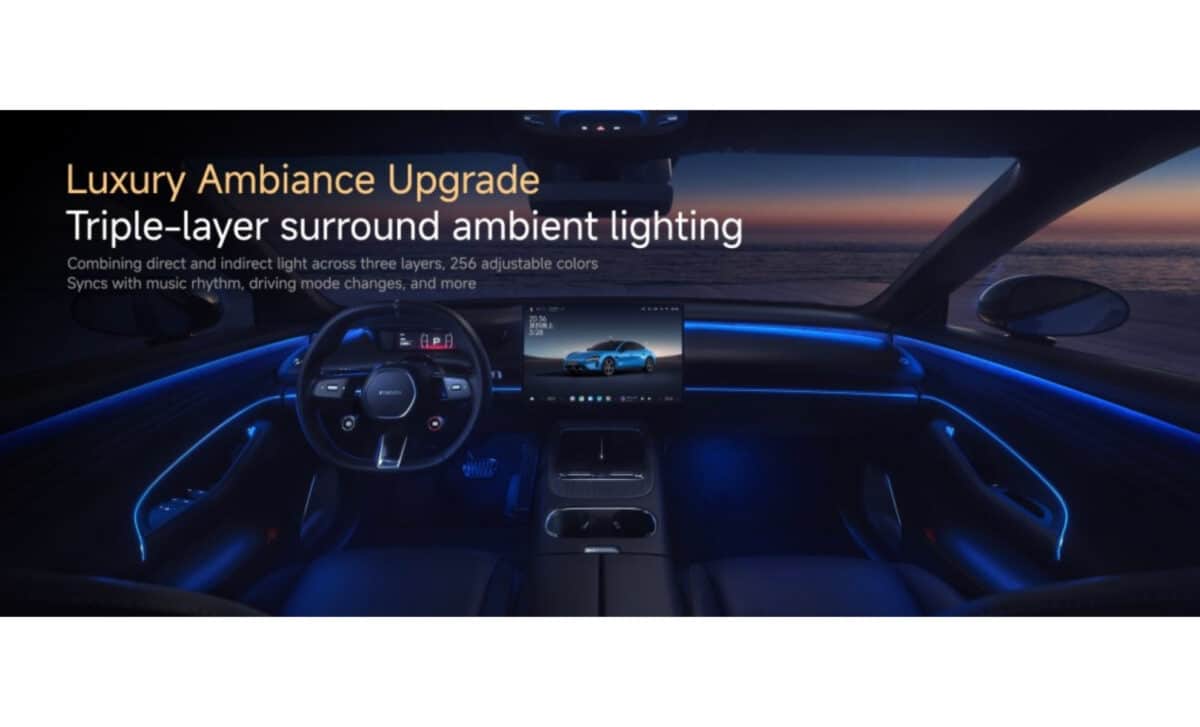
Aerodynamics see a slight enhancement, with a drag coefficient of 0.21. Visual updates remain subtle, including a new Capri Blue exterior color, revised headlight graphics, and new 20-inch wheel designs. Inside, Xiaomi introduces a Dark Night Black interior theme, a redesigned dual-tone steering wheel, an updated center console, and dynamic ambient lighting.
Standardized Driver-Assistance Hardware and Reinforced Safety
A key change in this update is the inclusion of LiDAR across all trims, combined with 4D millimeter-wave radar and a unified computing platform delivering 700 TOPS of processing power, up from 508 TOPS previously. Xiaomi now includes its Highway Autonomous Driving system as standard on every SU7.
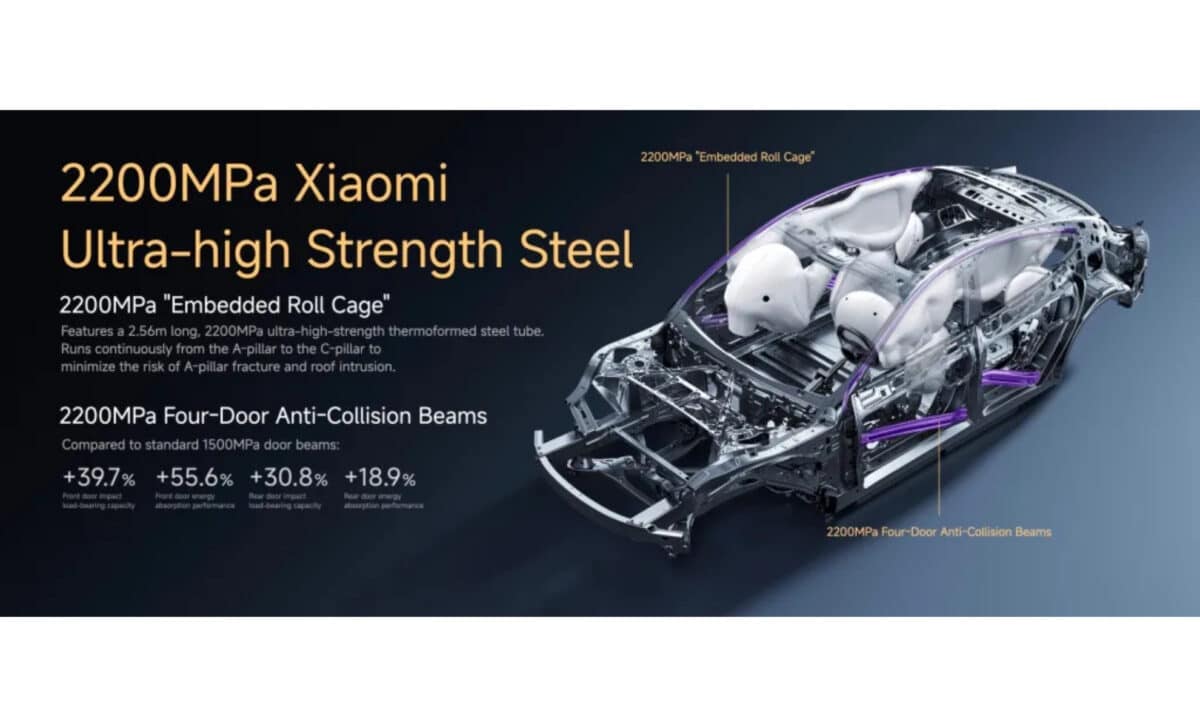
Safety upgrades address earlier concerns. The body structure now uses 2,200 MPa ultra-high-strength steel in critical areas, compared to 2,000 MPa before. The battery pack is reinforced with a 1,500 MPa steel crossbeam and an improved protective coating underneath.
The number of airbags increases from seven to nine, including new rear passenger-side airbags. Flush door handles, previously criticized, now feature a triple-redundant system with a mechanical backup that functions without power.
Further down the lineup details, pricing starts at 229,900 yuan (around $33,000) for the Standard version, rises to 259,900 yuan (about $37,100) for the Pro, and reaches 309,900 yuan (approximately $44,300) for the Max. This keeps the entry-level SU7 about 5,600 yuan (roughly $800) below the Tesla Model 3 in China, which starts at 235,500 yuan with a CLTC range of 634 km.
Mass deliveries are expected to begin immediately following the launch, with Xiaomi targeting production of more than 16,000 units in March alone.