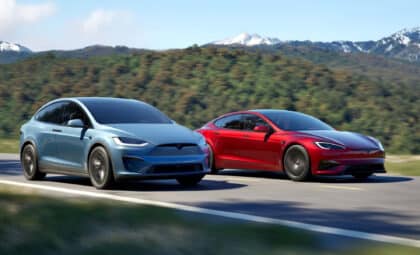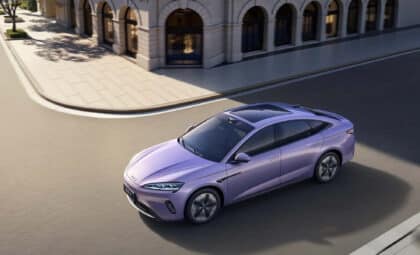
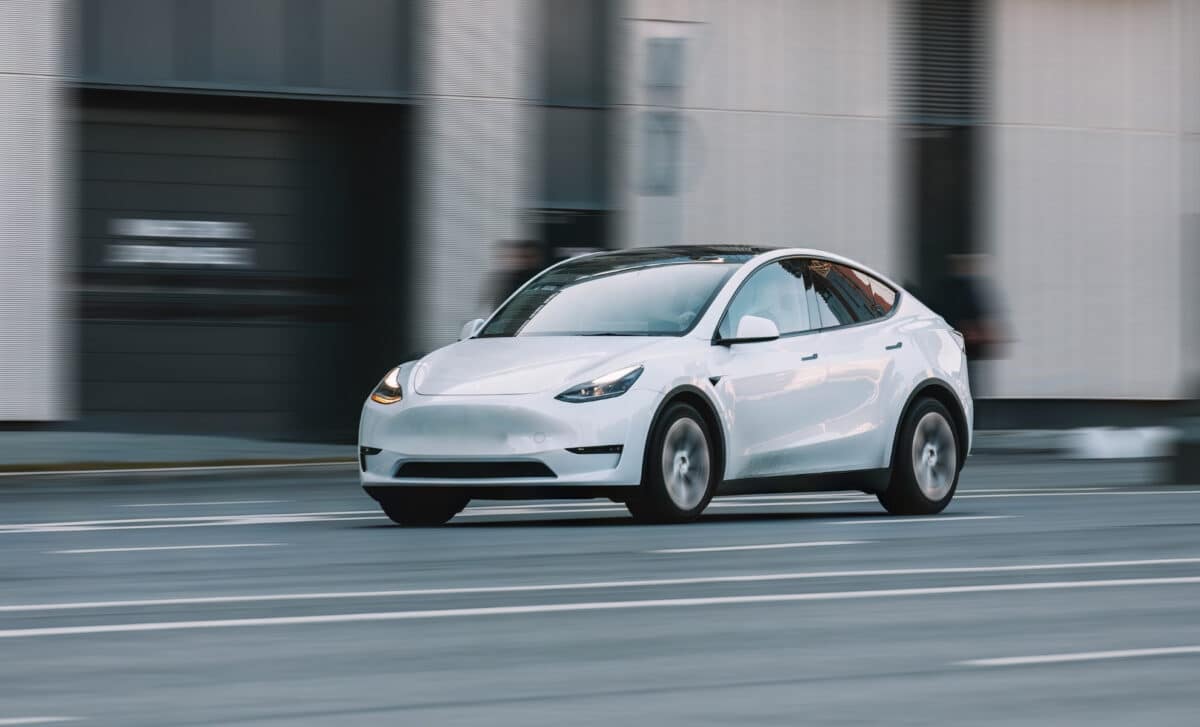
While Tesla continues to dominate with its Model Y and Model 3, Chinese manufacturers, led by BYD and Geely, are rapidly gaining ground, transforming the landscape of the EV industry. As these companies strengthen their international presence, Tesla faces challenges from rivals offering more affordable and diverse options.
The rise of Chinese manufacturers has shifted the focus of the market towards more accessible electric vehicles. With China now accounting for 60% of global EV sales, it’s clear that the country’s domestic industry is driving the global transition to electric mobility. Companies like BYD and Geely have capitalized on their technological expertise and cost-effective models, making significant inroads in both domestic and international markets. Despite challenges from these emerging competitors, Tesla is holding strong, largely due to its continuous innovation and brand loyalty.
Tesla’s Steady Performance Amid Rising Competition
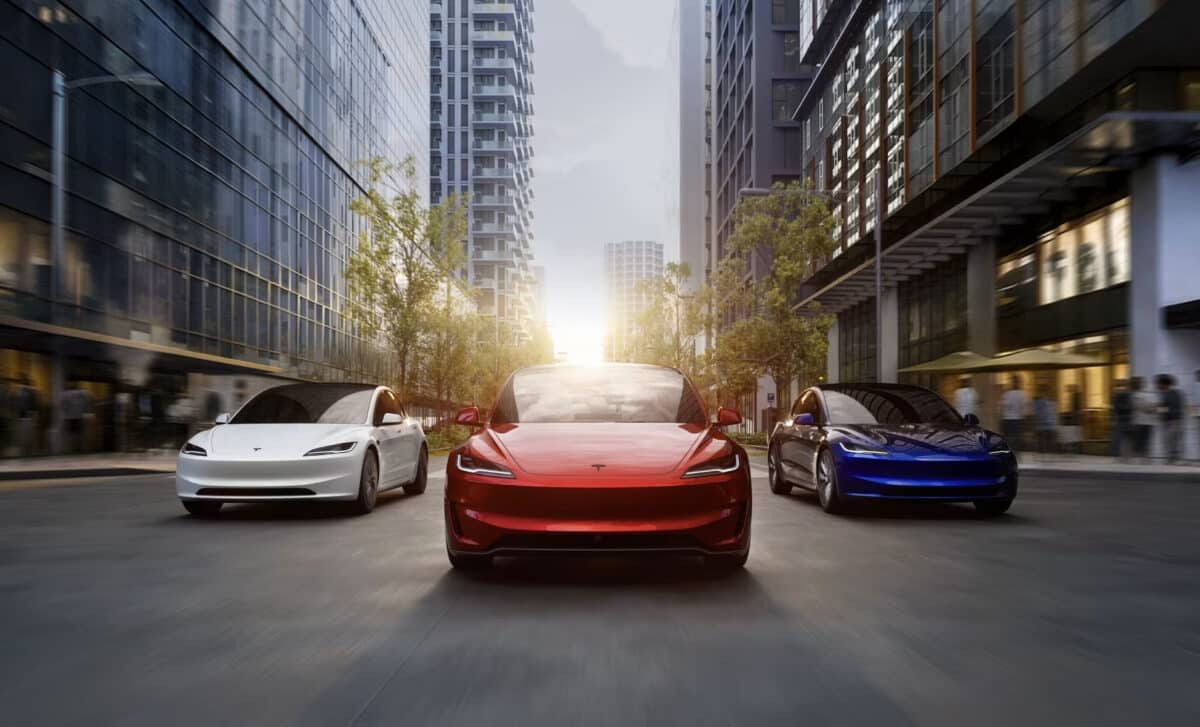
Tesla continues to secure a stronghold in the electric car market, with the Model Y leading global sales, followed by the Model 3 in third place. According to Counterpoint Research, Tesla maintains a 13% share of the global market, despite facing increased competition from newer players. Tesla’s success is attributed to its constant updates and improvements, which help its older models stay relevant in an increasingly crowded market.
However, Tesla’s position is no longer as invulnerable as it once was. Once the undisputed leader in the EV space, Tesla now faces challenges as new players offer competitive, lower-priced options. The company’s ongoing restyling efforts, like the updates to the Model Y and the introduction of a long-wheelbase version in China, have helped maintain its position. Still, with the rise of manufacturers like BYD and Geely, Tesla can no longer afford to rely solely on its existing models and must innovate to remain competitive.
BYD’s Unstoppable Growth and International Reach
Chinese manufacturer BYD has firmly established itself as a global leader in the EV market. The company recently reported impressive sales, with nearly 600,000 electric vehicles sold in the third quarter of 2025 alone. This represents a 33% growth compared to the previous year. BYD‘s market expansion has been significant, with over 150,000 units sold outside of China, representing 27% of the company’s total sales.
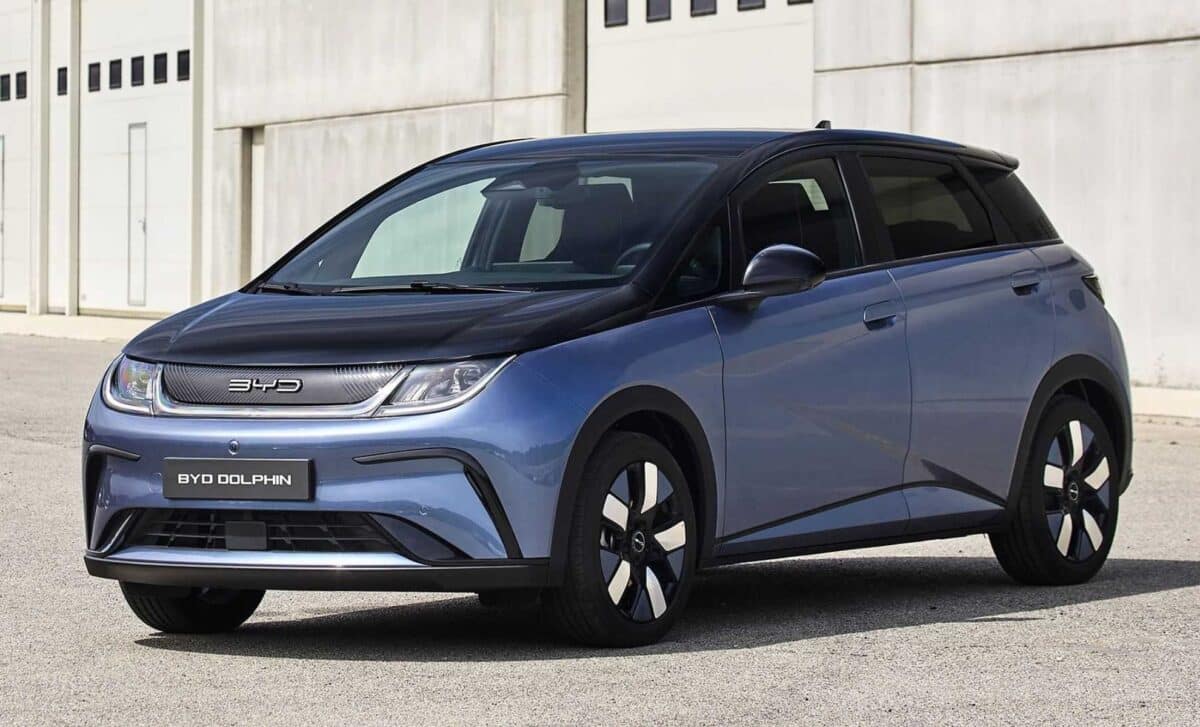
BYD’s success lies in its strategy of offering affordable electric cars that appeal to a wide range of consumers. Models like the Seagull, Dolphin, and Yuan UP are designed to meet the demands of the compact car market, which Tesla has largely ignored. With strong sales both at home and abroad, BYD’s global expansion continues, positioning the brand as a serious challenger to Tesla.
In addition to its growing international presence, BYD’s ability to combine affordability with advanced technology has set it apart from its competitors. While Tesla focuses on premium offerings, BYD is thriving by catering to the mass market, further driving its rapid ascent.
Geely’s Emergence as a Key Player in the EV Market
Geely, the Chinese automotive giant that owns brands like Volvo, Polestar, and Lotus, has also made remarkable strides in the global EV market. The company has surged into the top ranks, reporting a 51% increase in sales. As of now, Geely ranks third in global electric vehicle sales, with its Galaxy and Zeekr brands catering to different segments of the market.
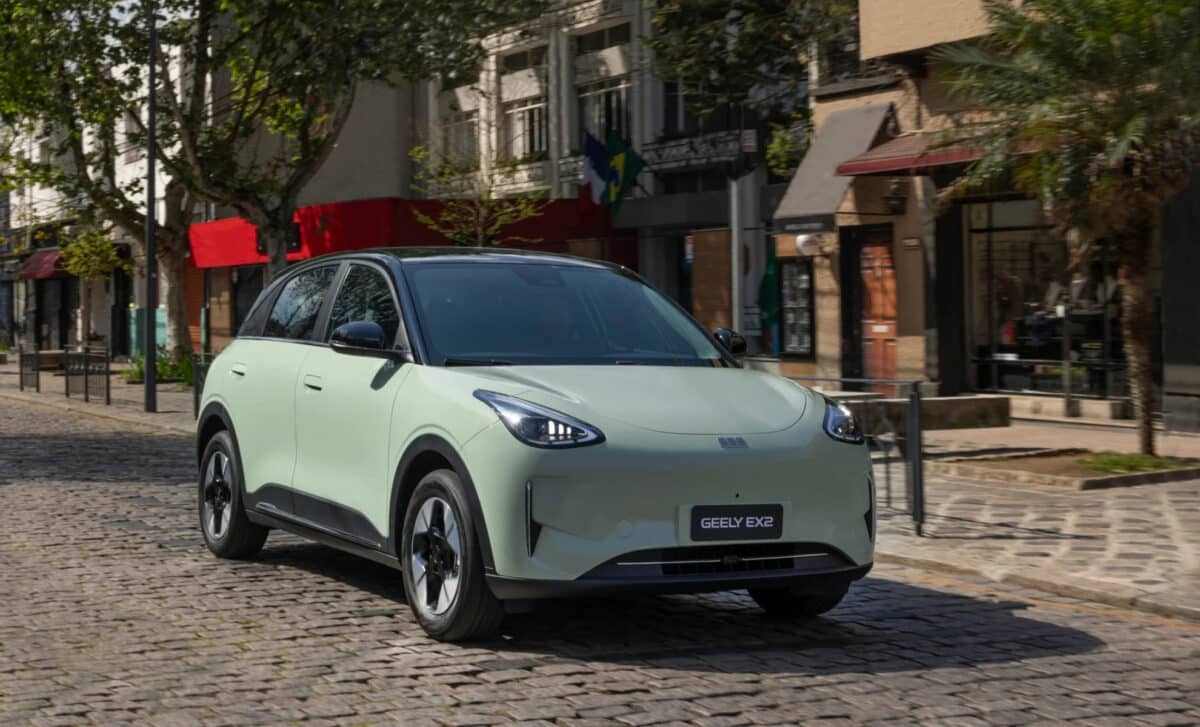
A major contributor to Geely’s success is its focus on affordable, high-tech vehicles. The company’s strategy of offering vehicles with cutting-edge technology at competitive prices has resonated with consumers. One of Geely’s most successful models is the Xingyuan, which has been a huge hit in China. The model is set to make its international debut as the Geely EX2 in Europe in 2026, highlighting the company’s plans for global expansion.
Geely’s rise is a testament to the effectiveness of its dual-brand strategy. While Galaxy targets the budget-friendly segment, Zeekr focuses on more premium models. This dual approach allows Geely to cater to a broad range of consumers, increasing its appeal in both the Chinese and international markets.