
The suspension system is the foundation of a car’s comfort, stability, and handling. It absorbs shocks, maintains contact between the tires and the road, and helps keep the vehicle balanced. A failing suspension makes the car difficult to control, affecting both everyday drivability and emergency maneuvers. Catching the early symptoms can prevent serious damage and costly repairs.
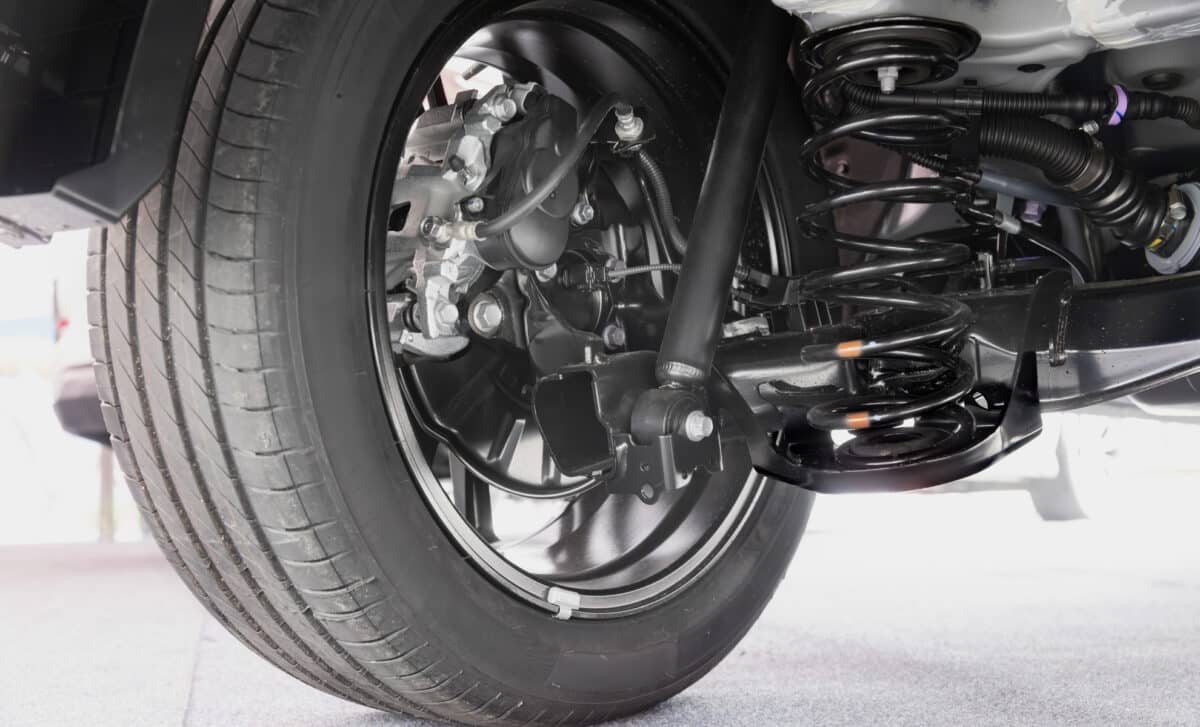
According to GSP North America, a major supplier of suspension components, the system is made up of springs, shocks, struts, control arms, sway bars, ball joints, and bushings. Each plays a role in stabilizing the vehicle. When any of these parts wear out, the warning signs typically show up in four main ways.
Excessive Bouncing Or Diving
If your car continues to bounce after a bump, or dives noticeably when braking, your suspension’s damping system may no longer be functioning properly. This system is designed to control motion and keep the car stable, especially during braking, acceleration, or cornering. While a small amount of body movement is normal, repeated or exaggerated motion means the system isn’t absorbing energy the way it should.
This behavior often signals weakened coil springs, strut fluid leaks, or worn shocks. A quick way to test: press down on the front or rear bumper. If the car rebounds slightly and settles, that’s fine. But if it continues bouncing like a trampoline, it’s time to have the suspension checked.
In vehicles equipped with independent rear suspension (IRS), this bouncing or squatting can be isolated to just one corner, since each rear wheel operates independently. Another quick test: drive over a speed bump and observe how long it takes for the car to return to a stable ride. Prolonged movement is a warning sign.
Drifting Or Pulling To One Side
When a suspension system is in good condition, the car remains balanced, with equal support on all four corners. Leaning or pulling to one side while driving, even when the steering wheel is centered, often points to worn or damaged suspension components.
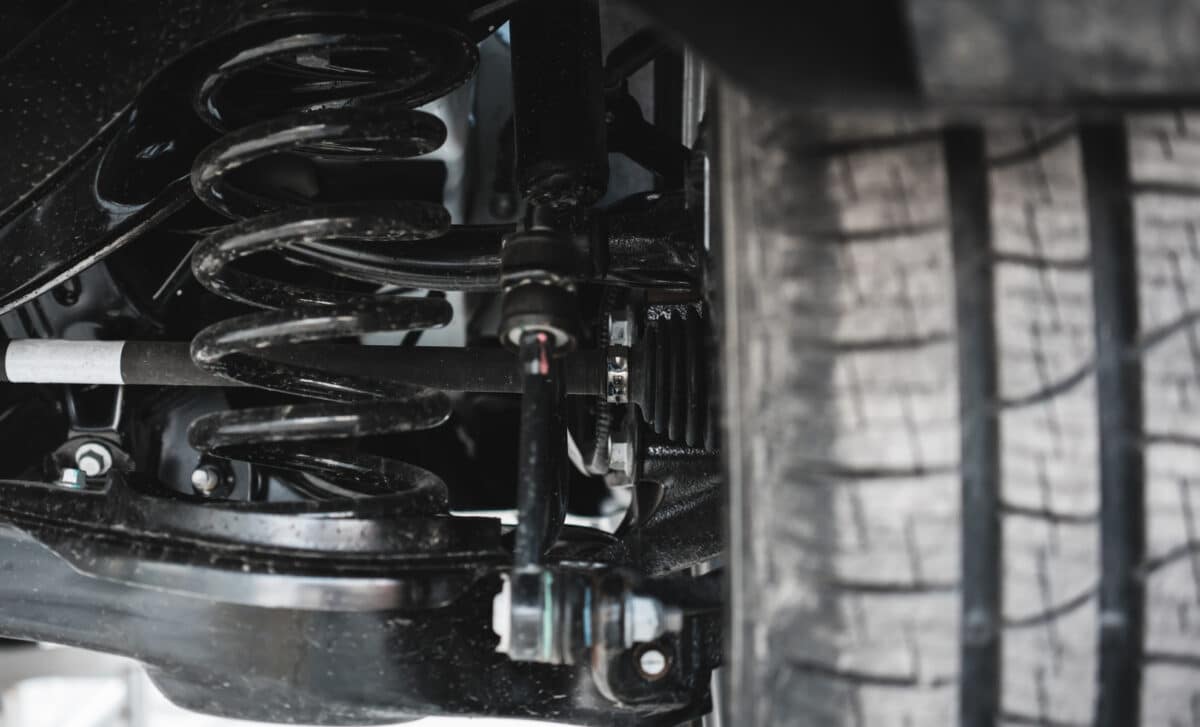
These symptoms may result from unevenly worn tie rods, collapsed bushings, or bent control arms, all of which affect how the suspension holds the car’s weight. It’s also possible that the issue lies in the steering knuckle or wheel alignment, which can become misaligned over time or after impacts with potholes and curbs.
If the car drifts during braking, the issue is likely related to the brake system, not the suspension. But for consistent pulling during regular driving, suspension is often to blame.
Drivers are encouraged to have their camber, caster, and toe angles checked professionally, since alignment can shift gradually. While it’s possible to attempt a DIY alignment, the required tools and precision make it impractical for most drivers.
Unusual Noises Over Bumps Or While Driving
Suspension problems aren’t always visible, sometimes, they’re audible. Clunking, knocking, or squeaking noises when driving, especially over bumps or uneven surfaces, can indicate that suspension components are no longer firmly held in place.
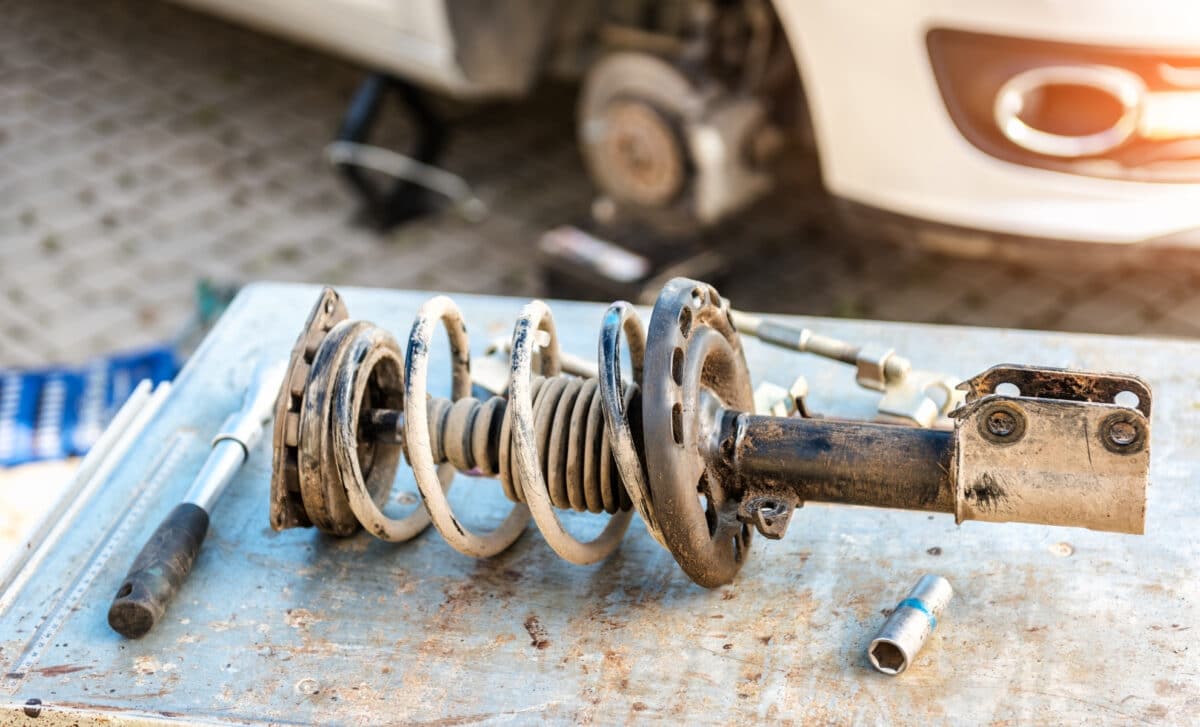
These sounds often come from damaged sway bar links, worn control arm bushings, or deteriorated ball joints. Worn-out shock absorbers, failing struts, or cracked leaf spring shackles can also be responsible. When any of these parts wear out or loosen, they tend to shift and create noise.
Squeaking often results from worn rubber components, such as deteriorated bushings. These small parts may seem minor, but they’re essential for smooth operation. Driving with damaged suspension parts can increase stress on the rest of the system, eventually leading to wider and more expensive mechanical failure.
Drivers should note when the noise happens, what it sounds like, and where it’s coming from, this context helps narrow down which part might be failing.
Sagging Or Uneven Ride Height
A clear visual indicator of suspension trouble is when one corner of the car sits lower than the others while parked. A tighter wheel gap in one area often points to a fatigued coil spring or a strut that can no longer support the car’s weight.
This imbalance can cause the vehicle to bottom out on uneven surfaces, putting the undercarriage at risk of damage. The issue becomes even more pronounced in vehicles equipped with air suspension, which rely on air pressure rather than mechanical springs to maintain ride height.
Sagging in these systems is typically caused by a worn air bag, a common problem in older luxury cars. It can also result from a failing air compressor, leaking air lines, or damaged solenoid valves. Faulty height sensors or ECU issues can also cause the system to misread and mismanage ride height.
If these parts fail, the compressor may end up running continuously or harder than intended, which speeds up its own failure. Once the system can no longer maintain pressure, the car may lean to one side, or even collapse at a corner.