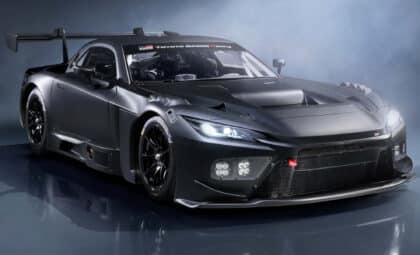
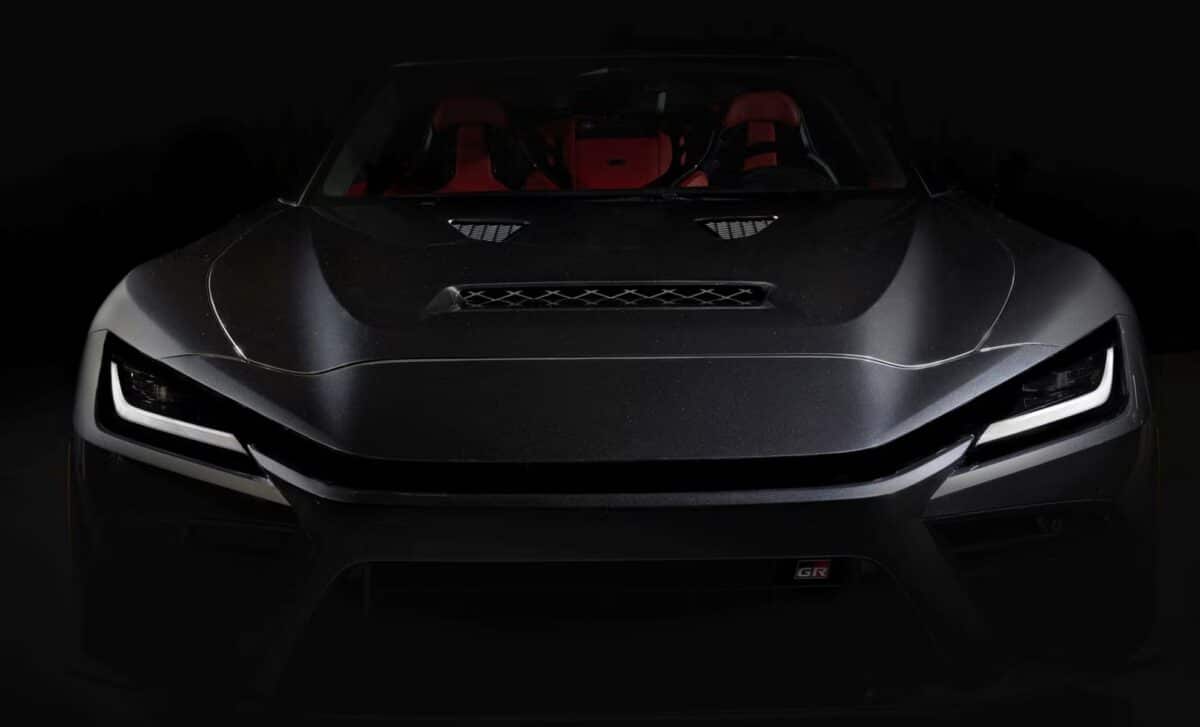
Combining advanced hybrid technology and innovative engineering, Toyota new 4.0-liter twin-turbo V-8 engine aims to compete with the high-performance powertrains found in today’s top-tier sports cars. While details are still being revealed, Toyota’s new engine promises to be a game-changer for enthusiasts and industry watchers alike.
The shift to a twin-turbo V-8 marks a significant departure from Toyota’s earlier focus on naturally aspirated engines, as seen in the Lexus LFA and other past models. This new power unit, which is set to be used in Toyota’s flagship GR GT, showcases the brand’s commitment to pushing the boundaries of performance with a mix of cutting-edge technology and traditional craftsmanship. With plans to integrate a hybrid system, the engine aims for an output of 641 horsepower and 627 lb-ft of torque, making it a formidable player in the supercar race.
A New Design for a New Era
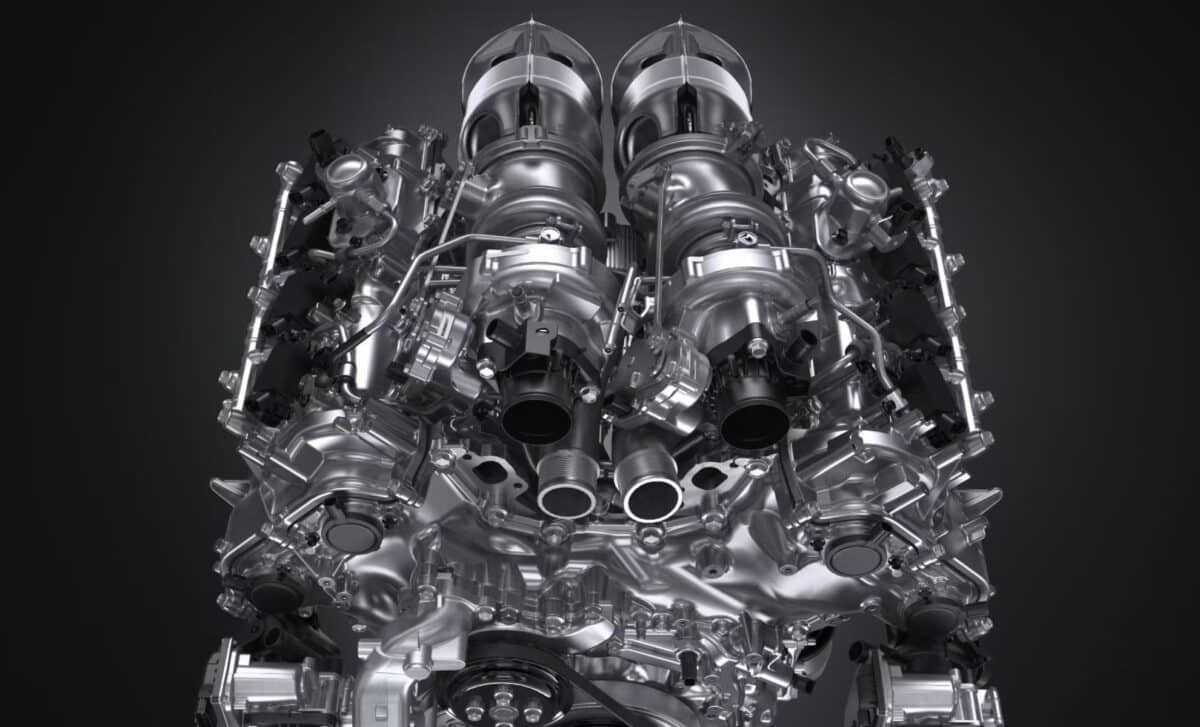
Toyota’s new 4.0-liter twin-turbo V-8 engine is derived from a project initially intended for the now-canceled Lexus LC F. The design of the engine features an “oversquare” architecture, where the bore (87.5 mm) is larger than the stroke (83.1 mm).
This configuration promises improved high-revving capabilities, a design philosophy that aligns with other performance engines, such as McLaren’s M840T. In contrast to other high-performance V-8s from competitors like Mercedes and Volkswagen, which employ “undersquare” engines, Toyota’s decision to go oversquare is a strategic move to deliver higher engine speeds.
The engine’s construction includes forged internals, such as the rods, pistons, and cross-plane crankshaft, all designed to handle the intense stress of high-performance driving. This robust foundation ensures durability while allowing for the engine to push the limits of what is possible in a modern sports car engine.
Hybrid Powertrain for Efficiency and Performance
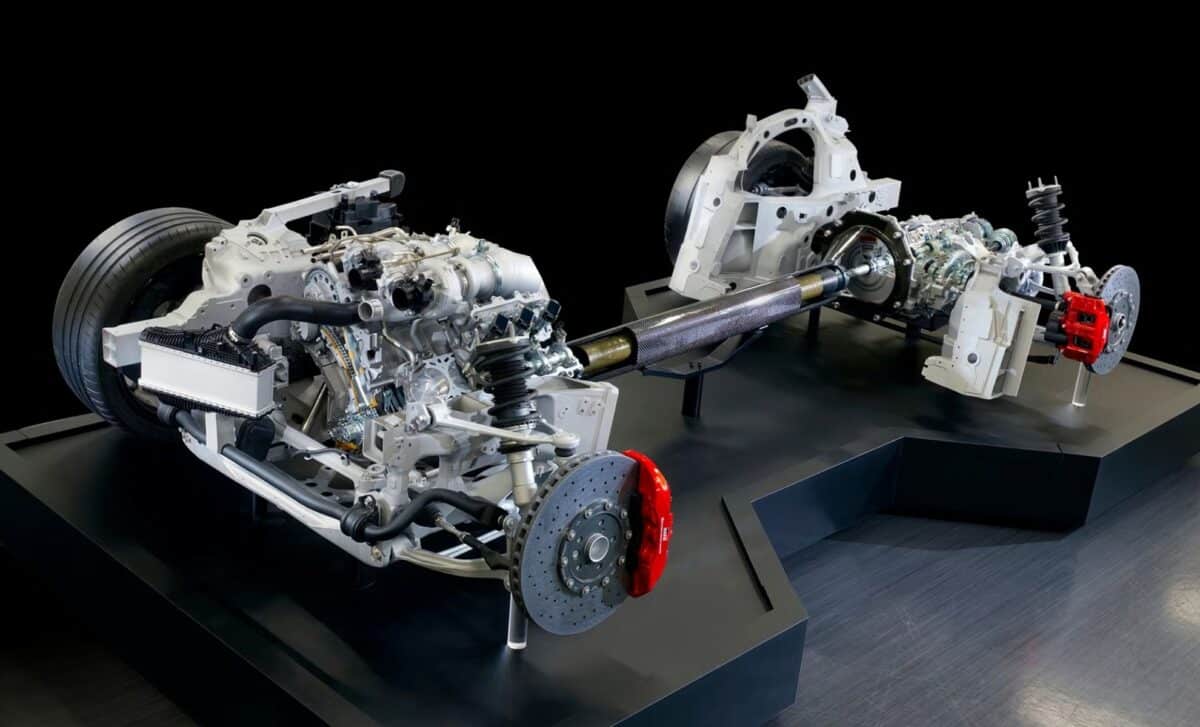
One of the most significant elements of Toyota’s new V-8 engine is its integration with hybrid technology. According to MotorTrend, the total system output is expected to reach 641 horsepower and 627 lb-ft of torque, combining the power of the twin-turbocharged V-8 with an electric motor. This hybrid powertrain is designed to balance power with efficiency, creating an optimal performance profile for both road and track use.
The hybrid motor is strategically mounted near the rear of the car, contributing to a 45/55 front-to-rear weight distribution that enhances the vehicle’s handling. Toyota’s decision to employ a rear-mounted eight-speed planetary automatic transmission further reinforces this balanced layout. The hybrid motor is connected to the transmission via a carbon-fiber torque tube, marking another innovation in this cutting-edge vehicle design.
Efficiency and Track-Ready Features
To support the demands of high-performance driving, Toyota has incorporated several advanced features into the design of the 4.0-liter twin-turbo V-8. One key feature is the dry-sump lubrication system, which helps to lower the engine’s height while increasing oil capacity.
This modification not only contributes to a lower, sleeker design but also ensures better lubrication during high-speed track use. In addition, the use of Toyota’s D-4 port- and direct-injection system helps optimize combustion under various engine loads, further enhancing performance and efficiency.
By opting for dry-sump lubrication, Toyota can fit a thinner oil pan beneath the engine, freeing up space for other critical components. This approach allows for improved cooling and more consistent performance, especially when the car is pushed to its limits on the track.