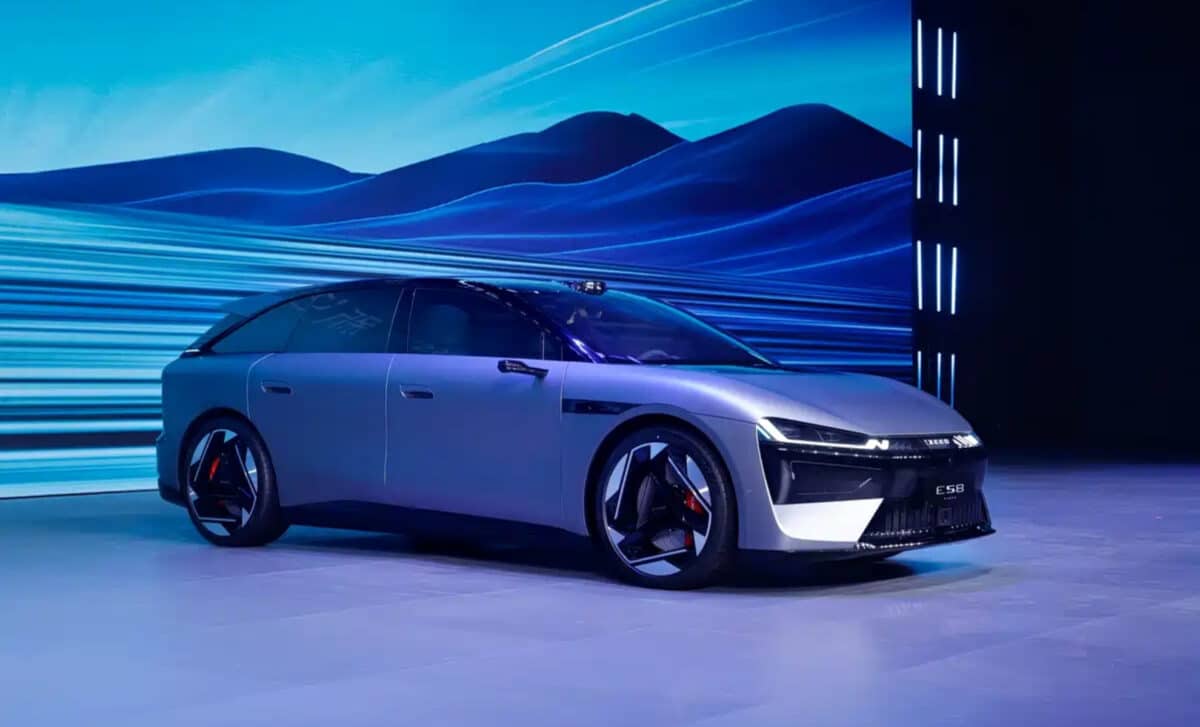
The announcement was made during the Exeed Brand Night event, where the company showcased its technological ambitions for the coming years. Testing for these batteries is expected to begin as early as 2026, a timeline that places Chery ahead of most industry competitors.
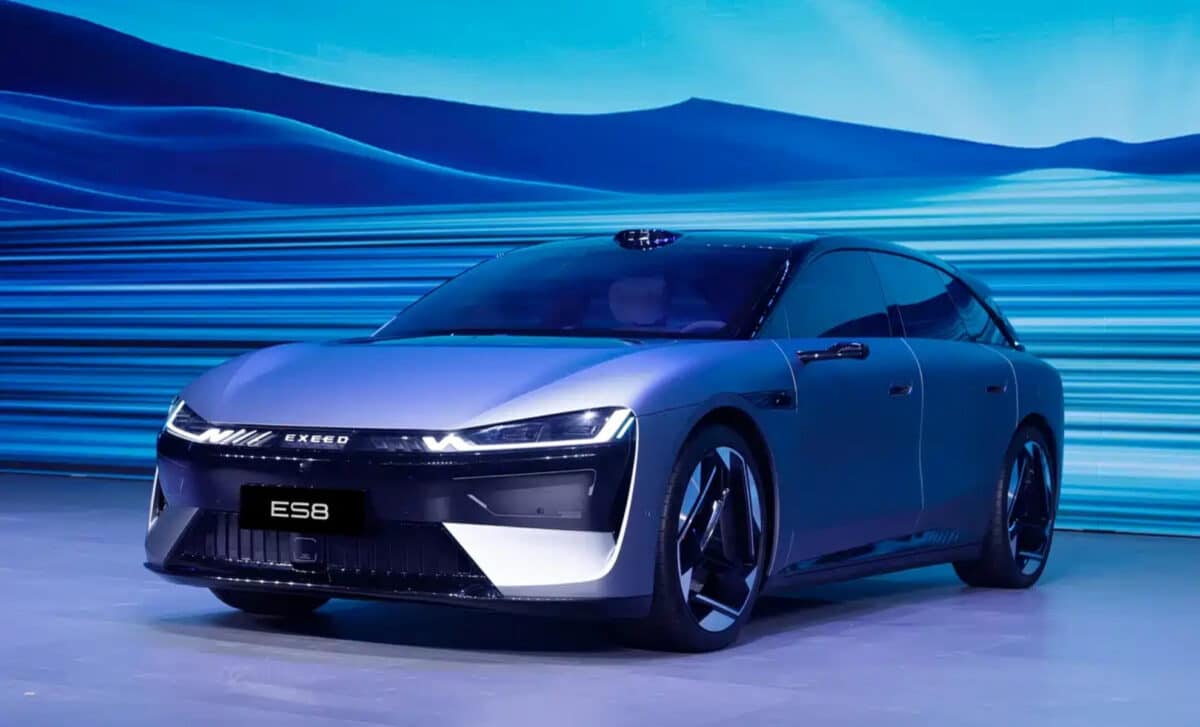
The Exeed ES8, the model expected to carry the solid-state battery in trials, is part of a broader launch of four new electric vehicles. While the vehicle won’t yet be available to the public with this technology, Chery’s roadmap underlines its intent to lead innovation in electric mobility. Though relatively low-profile in Europe for now, Chery is set to debut officially on the continent in 2026, starting with its Omoda Jaecoo lineup. The possible introduction of Exeed, marketed as Exlantix outside of China, could follow at a later stage.
Four New Vehicles And A Flood Of Tech Innovation
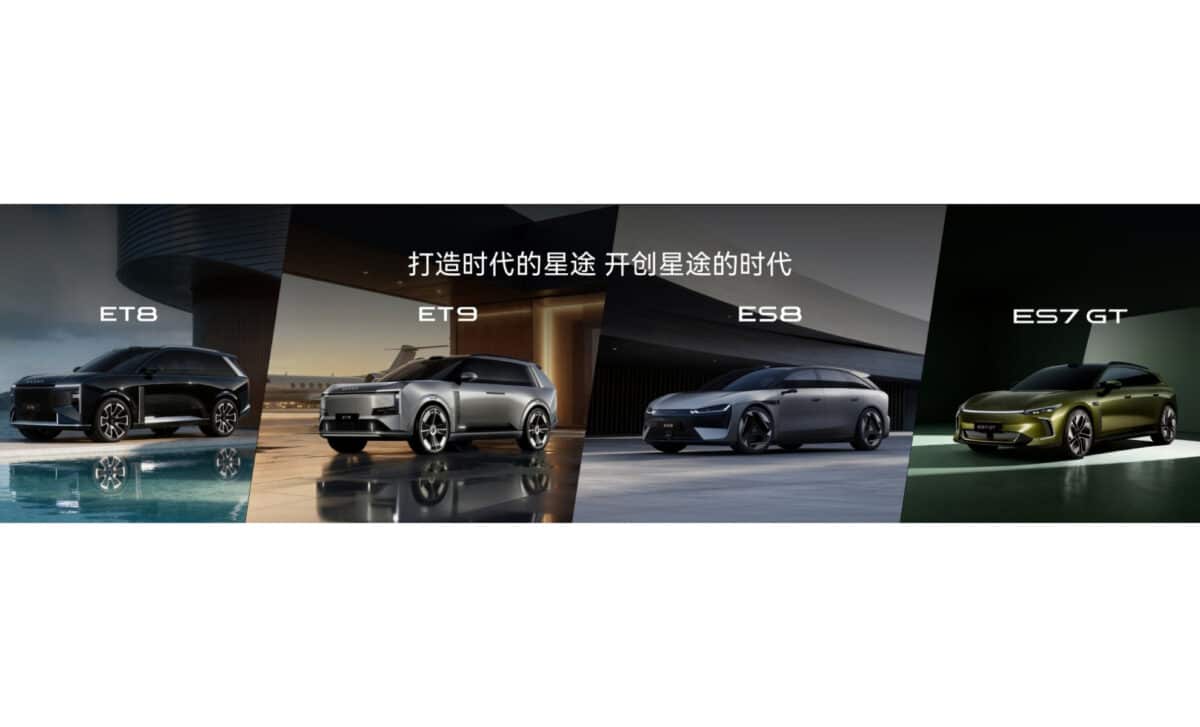
During its Brand Night, Exeed presented four new models: the ES7 GT, the ET8, the ET9, and the ES8. The ES7 GT is a shooting brake already known for its range-extender electric powertrain, while the ET8 and ET9 are luxury SUVs with limited public specifications so far. Among the group, the ES8 stands out with an unusual design, an impressive drag coefficient of 0.22, and a projected range of 1,000 km.
The company announced a series of technical features that will define this new generation of vehicles. These include braking-by-wire, steer-by-wire, and a multi-level driving assistance system spanning from Level 2 to Level 4 autonomy—a level that corresponds to robotaxi capabilities. The interiors will feature screens powered by Huawei’s HarmonyOS, a growing standard among Chinese electric brands.
Another highlight is the use of hot-formed steel at 2,400 MPa, a sign of the company’s focus on combining strength and lightness in its bodywork. These innovations are part of what Chery describes as a “deluge” of technologies, aiming to support its positioning in the premium electric vehicle market.
Solid-state Batteries On Track For Early Testing
While the technical details remain scarce, journalists from Auto Home, who attended the event, reported that testing of the solid-state batteries is planned to begin in 2026 with the ET8 model. The ES8’s inclusion in this technological push suggests a role as a potential testbed as well. These trials are not aimed at immediate consumer availability but are seen as early steps in long-term development.
This early timeline sets Chery apart from many competitors, most of whom are targeting the end of the decade for similar advances. The company has not yet committed to commercializing the technology in 2026, making clear that it will remain at the testing stage. Nevertheless, launching real-world tests so soon places Chery among the more aggressive players in the battery innovation space.
Le Mans Ambitions And Long-term Brand Strategy
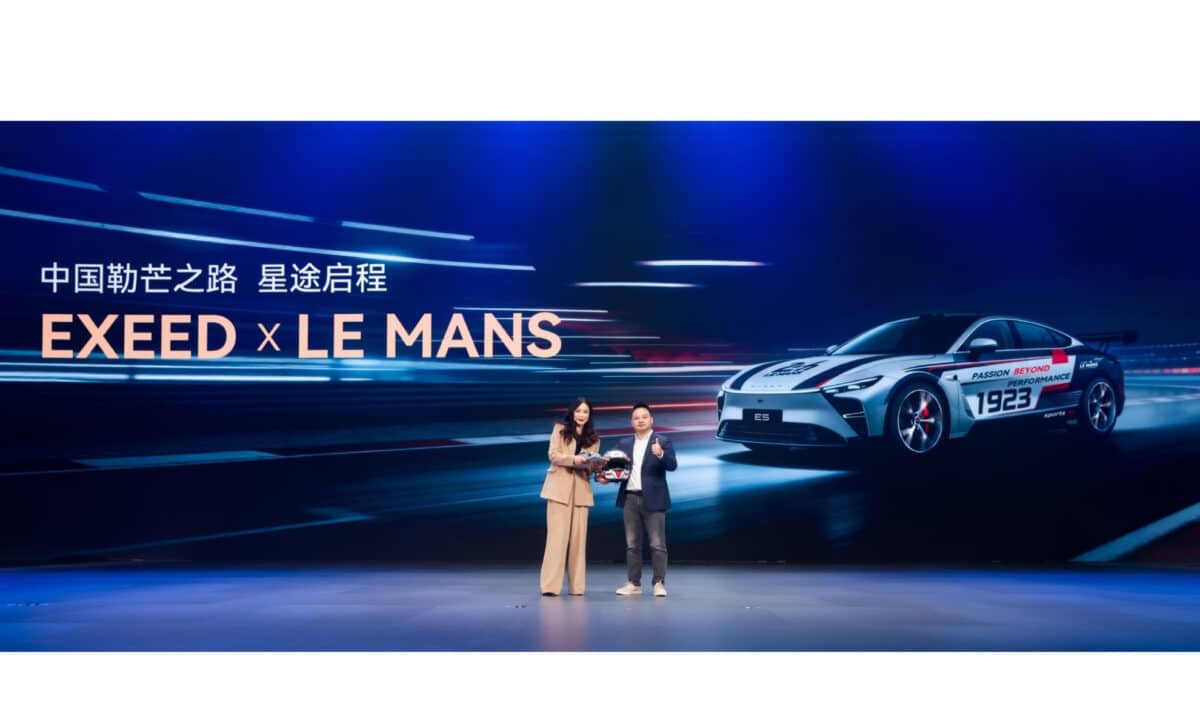
Alongside its product announcements, Chery used the event to reaffirm its “Le Mans Project”, an initiative aimed at participating in the famous endurance race in the future. As part of this plan, Chery intends to begin with more accessible racing categories and has started building a homologated racing circuit in Wuhu, the company’s historical base of operations.
Despite its ambitions, Chery is approaching the European market with caution. Speaking to Frandroid, the director of Chery France emphasized the need for patience when launching a high-end brand like Exlantix: “I think we need this premium offering, but I would be cautious. Launching a premium brand takes time. Let’s launch Omoda Jaecoo first, then we’ll see. But we’ll find the right moment to launch [Exlantix].”
This careful rollout underscores a two-step strategy: first, establish presence with the more mainstream Omoda Jaecoo, then move toward launching the Exeed/Exlantix premium range once conditions are right. While no date has been confirmed for this second phase, the growing global interest in high-tech EVs suggests the timing may come sooner rather than later.