SUVs now rule the U.S. car market, representing more than 50% of new vehicle sales, according to S&P Global , and when including trucks, that number rises to a staggering 83%, as reported by J.D. Power. To help guide consumers through this crowded segment, Edmunds tested ten base-trim SUVs priced below $40,000 in late 2025, evaluating them across categories like comfort, technology, cargo capacity, value, and driving dynamics.
The result is a complete ranking from worst to best, revealing a reshaped landscape where hybrid powertrains, build quality, and in-cabin tech determine the winners. Some long-standing nameplates failed to impress, while others, including lesser-known or recently updated models, claimed top spots.
Equinox and Forester Struggle to Stay Competitive
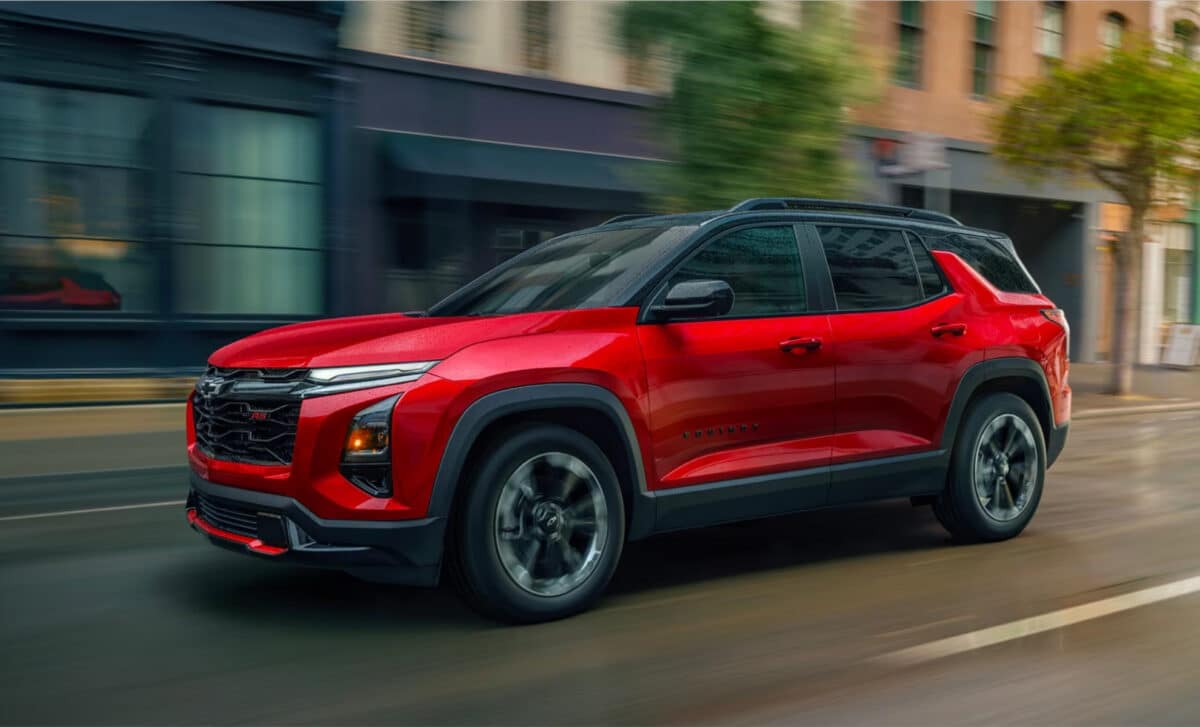
The Chevrolet Equinox landed in 10th place, despite being one of the most affordable options in the group, with a base price around $30,000 after taxes and fees. Edmunds praised its tech layout, a dual-screen setup with user-friendly integration, multiple charging ports, and good cabin space.
But its performance was criticized: the lone engine, a 1.5-liter turbocharged inline-four with 175 horsepower and 203 lb-ft of torque, lacked punch, especially under load. Reviewers also cited disconnected handling, minimal small-item storage, awkward rear doors, and underwhelming towing capabilities (1,500 pounds with AWD, 800 with FWD) as key drawbacks.
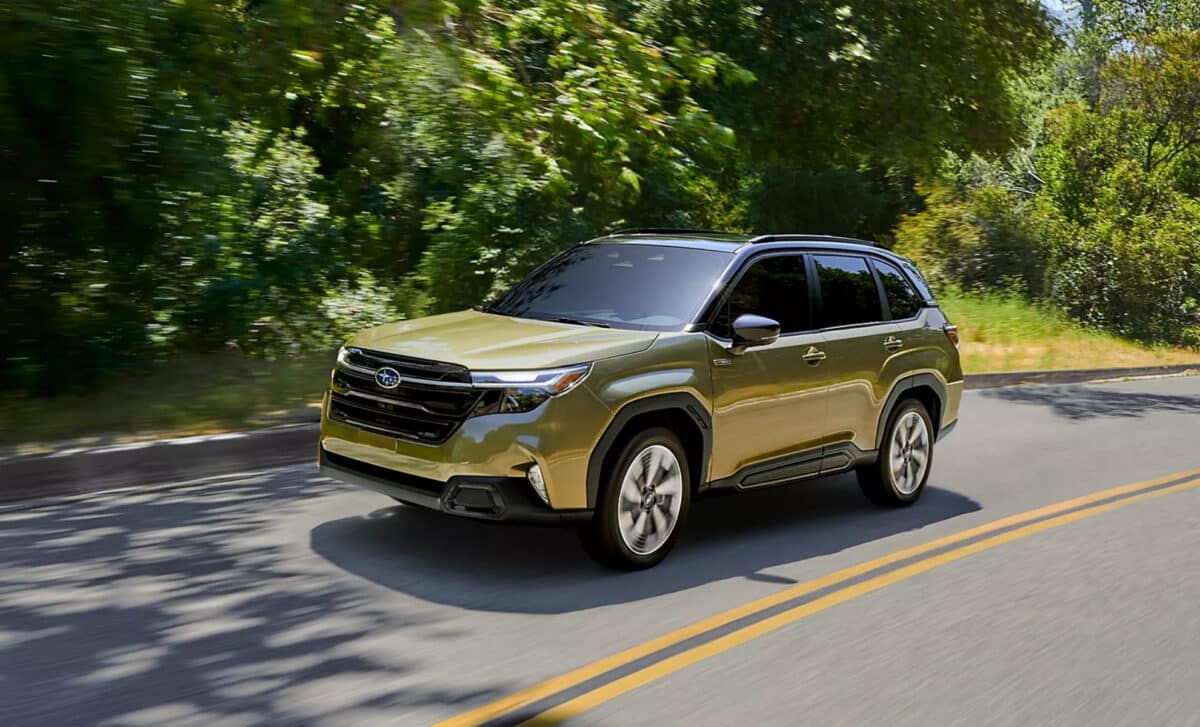
In 9th place, the Subaru Forester Hybrid, now in its sixth generation, fell short of expectations. While its 2.5-liter flat-four hybrid system (194 hp, 199 lb-ft) was smooth and the ride quality plush, Edmunds found the tech underwhelming. The 11.6-inch touchscreen felt dated, slow, and lacked responsiveness. Small-item storage was limited, and driver aids like adaptive cruise control and lane-keep assist performed poorly. The Forester remains the cheapest SUV to insure among those recommended by Consumer Reports, but that wasn’t enough to elevate its score.
Bronco Sport, Rogue, and CX-50 Offer Character, But Fall Short
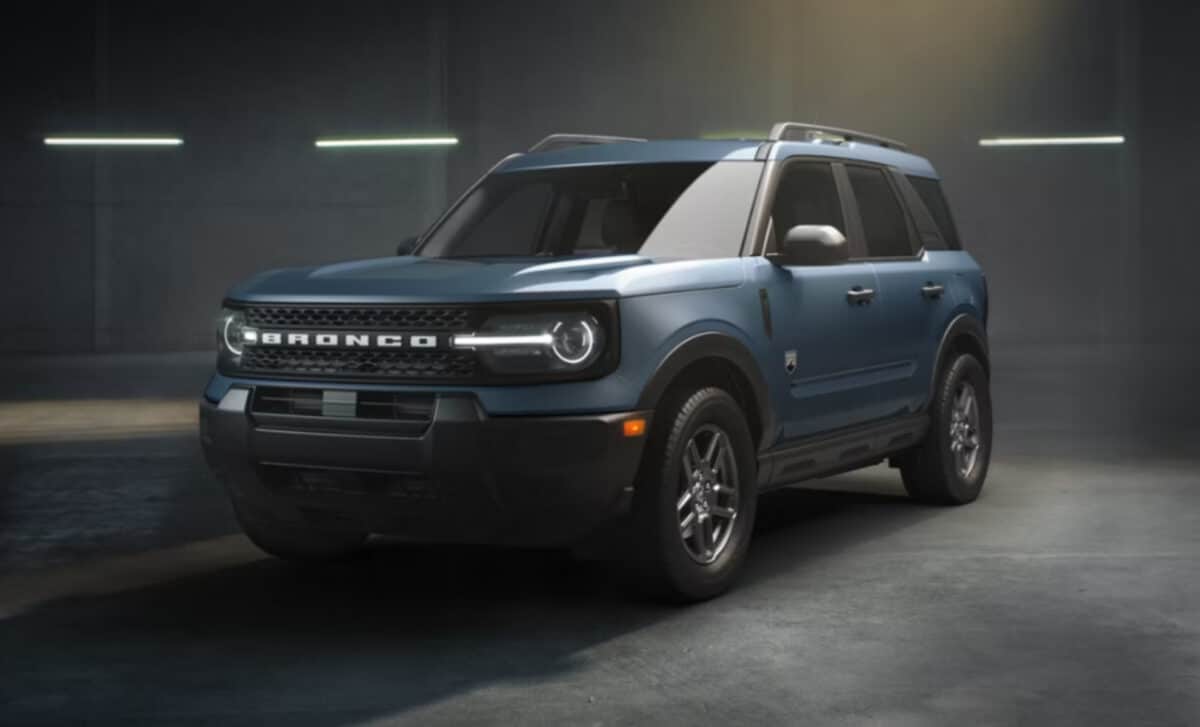
Ranking 8th, the Ford Bronco Sport was one of the more divisive entries. While Car and Driver gave it 9/10 and MotorTrend awarded it 8.4/10, Edmunds highlighted deeper flaws. It praised the Bronco’s rugged look and genuine off-road capability , backed by two turbocharged engines (a 180-hp 1.5L three-cylinder and a 250-hp 2.0L four-cylinder). But front seats lacked support, rear legroom was tight, cargo space was limited, and the SUV’s higher trims pushed prices close to $45,000 , undercutting its value.
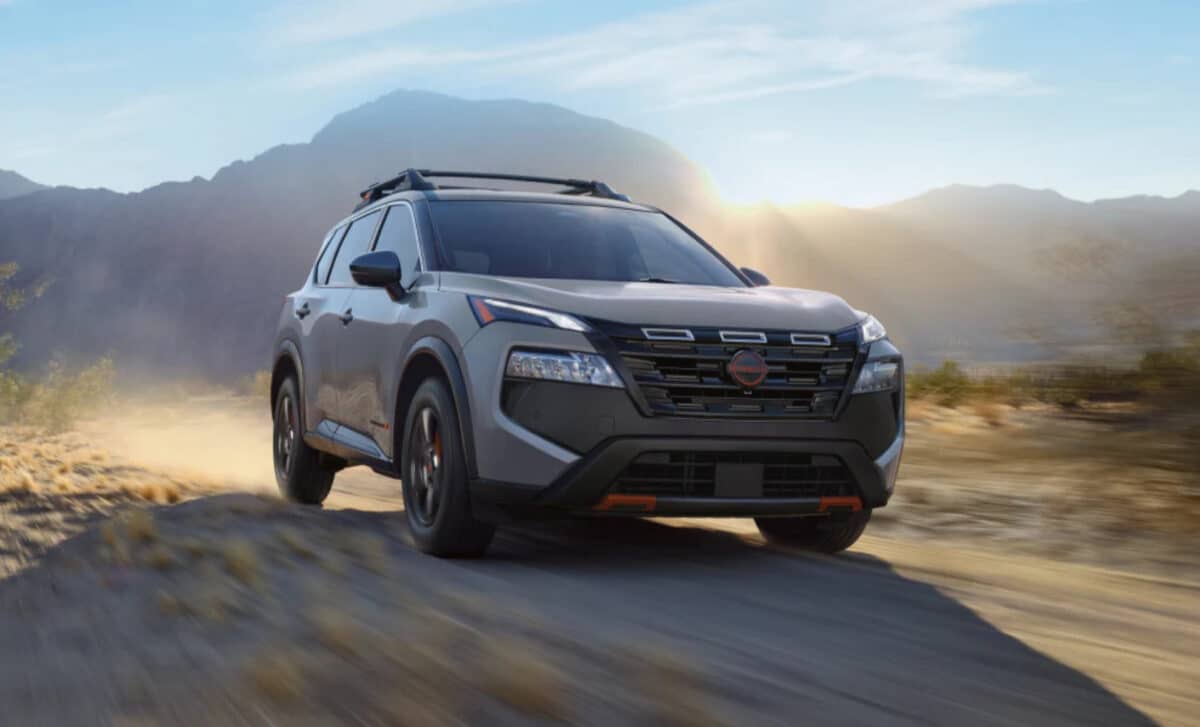
The Nissan Rogue came in 7th, with a strong 201-hp turbocharged 1.5L engine that outperformed expectations. Still, the CVT transmission was seen as a weak link. Edmunds reported a brittle chassis feel, excessive wind noise at highway speeds, and an infotainment system that disappointed — its 8-inch screen in base and mid trims lacked Android Auto and Apple CarPlay. On the plus side, fuel economy exceeded 30 mpg, best among gas-only models, and the cargo space was adaptable thanks to reconfigurable floor panels.
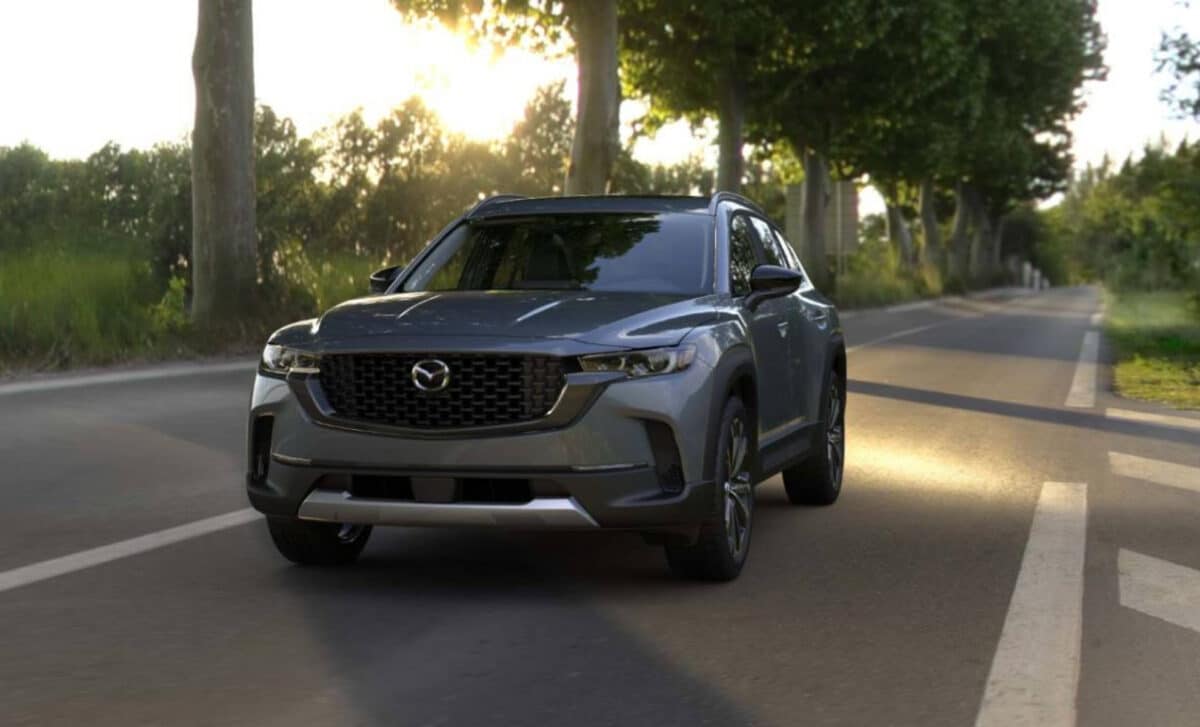
In 6th, the Mazda CX-50 stood out for its interior quality and driving experience. Edmunds noted its upscale cabin, ergonomic controls, and strong handling. Engine options ranged from a 187-hp naturally aspirated 2.5L, a 219-hp Toyota-sourced hybrid, to a 256-hp turbocharged 2.5L. But its 31.4 cubic feet of cargo room fell short, and rear storage space was tight. Edmunds also noted the CX-50’s high pricing in this segment, making it less appealing to budget-minded shoppers.
CR-V and Tiguan Show Balance, but Lose Points on Features and Efficiency
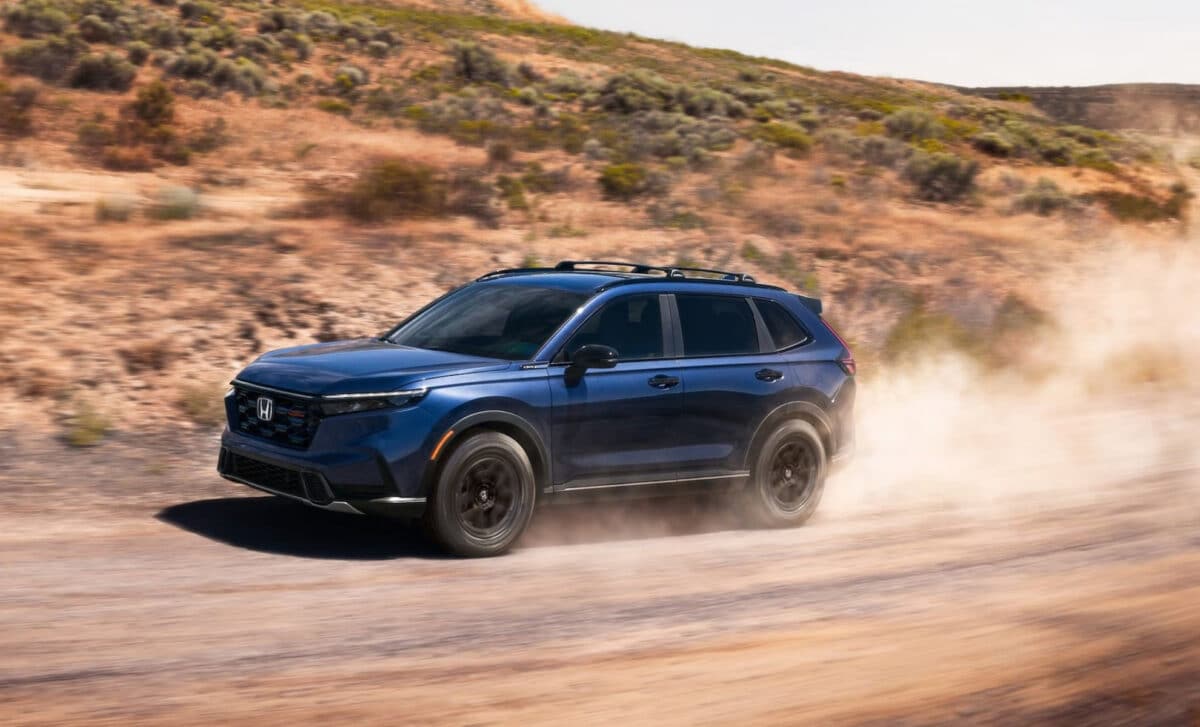
In 5th place, the Honda CR-V showcased solid fundamentals. The 190-hp turbocharged 1.5L engine, strong brakes, and responsive steering created a predictable, pleasant drive. Edmunds appreciated the interior layout , with wide door openings, ample rear legroom, and quality materials.
Ride quality and cargo space also scored high. But the CR-V’s lower trims offered limited tech: a small 9-inch screen and no Google Built-In. Features like seat coolers, panoramic sunroof, and advanced exterior cameras were not available unless upgrading to top trims. Despite high ratings from MotorTrend (8.6/10) and Car and Driver (10/10), Edmunds found the value less convincing.
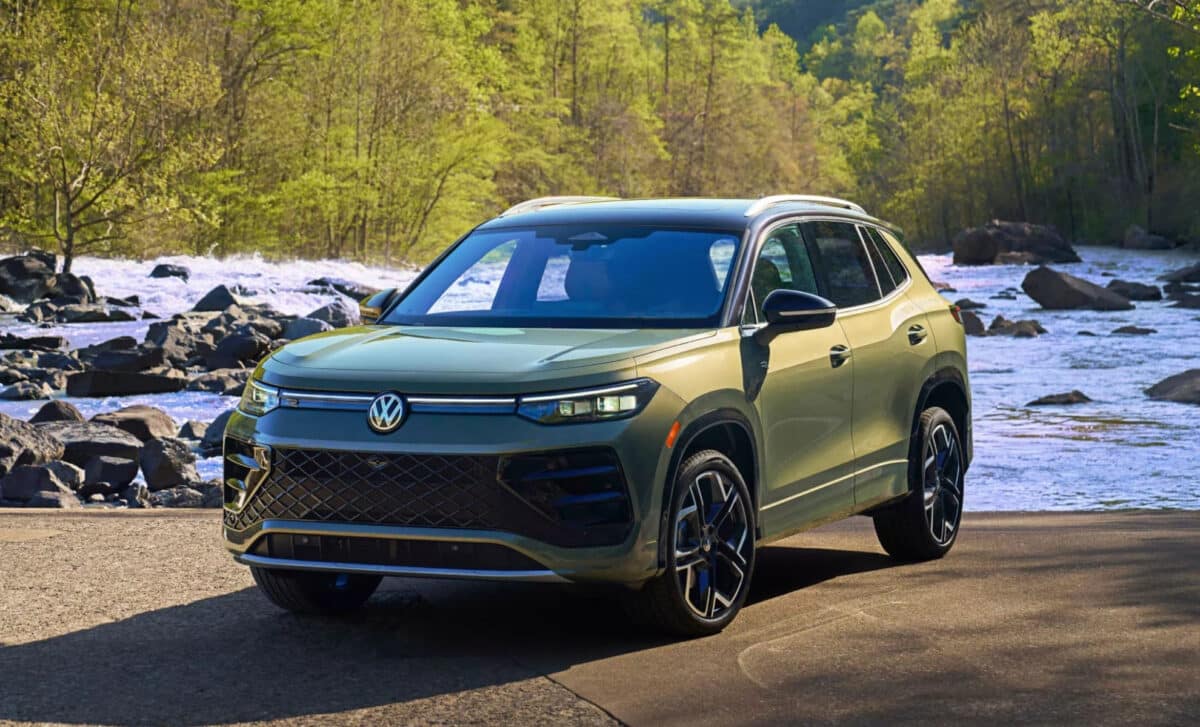
The Volkswagen Tiguan, in 4th place, exceeded expectations. Edmunds noted its cohesive design, improved cabin quality, and comfortable seating. The SUV handled corners well, rode smoothly over bumps, and included modern driver aids. However, fuel economy was weak at 26 mpg, and the lack of a hybrid version in the U.S. was a missed opportunity. Both the standard 201-hp turbo-four and the more powerful 268-hp SEL R-Line version were competent, though throttle lag from a stop and slow transmission shifts were drawbacks.
RAV4, Sportage Hybrid, and Tucson Hybrid Dominate the Podium
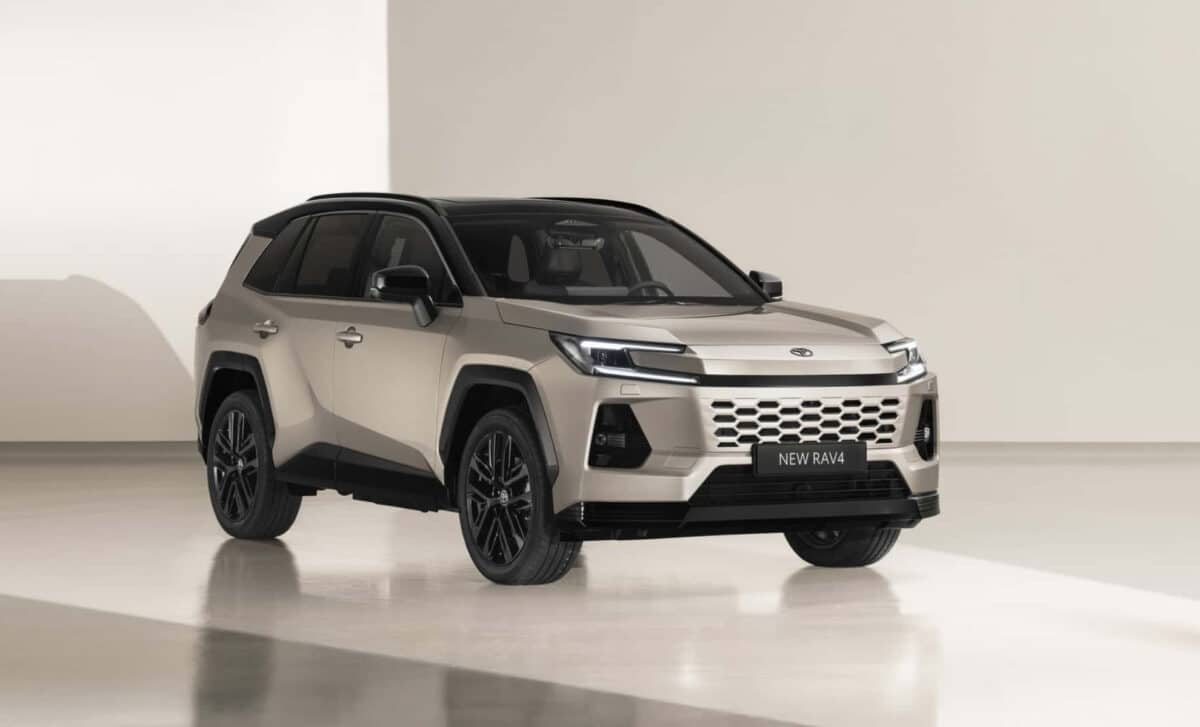
The Toyota RAV4 Hybrid secured 3rd place, scoring over 8/10 and earning Edmunds’ “Excellent” badge. Its 226-hp hybrid system (or 236 hp with AWD) delivered a lively 7.5-second 0–60 time. Edmunds praised its spacious cargo area, 37.8 cubic feet with seats up, 70.4 folded, and its new infotainment interface for being responsive and easy to use. But the biggest knock was Toyota’s decision to lock certain features behind a subscription after a trial period, something Edmunds criticized directly.
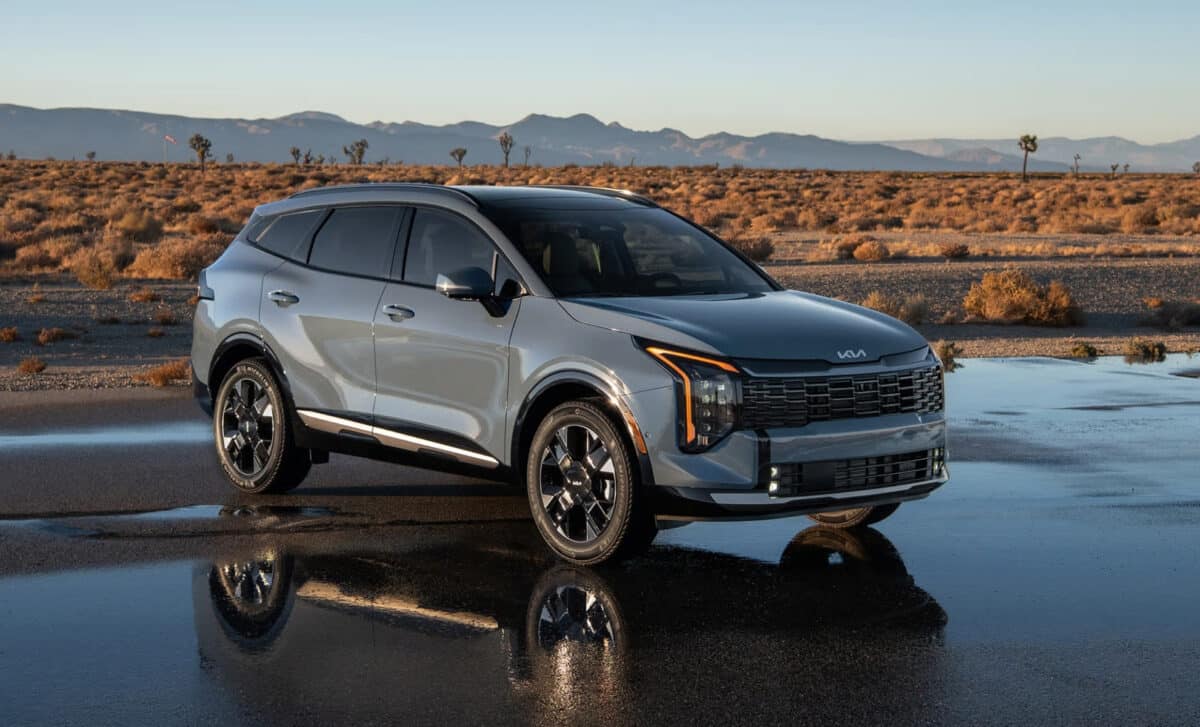
The Kia Sportage Hybrid took 2nd place, described by Edmunds as a near-complete package. Its 231-hp turbocharged 1.6L hybrid system (also available in a 268-hp plug-in version) was smooth and efficient. Interior quality, sound insulation, and cargo capacity (39.5 cubic feet, or 73.7 with seats folded) were all highlights. Still, the 12.3-inch infotainment screen drew complaints: it housed both media and climate controls, requiring users to toggle back and forth using frustrating touch-sensitive buttons.
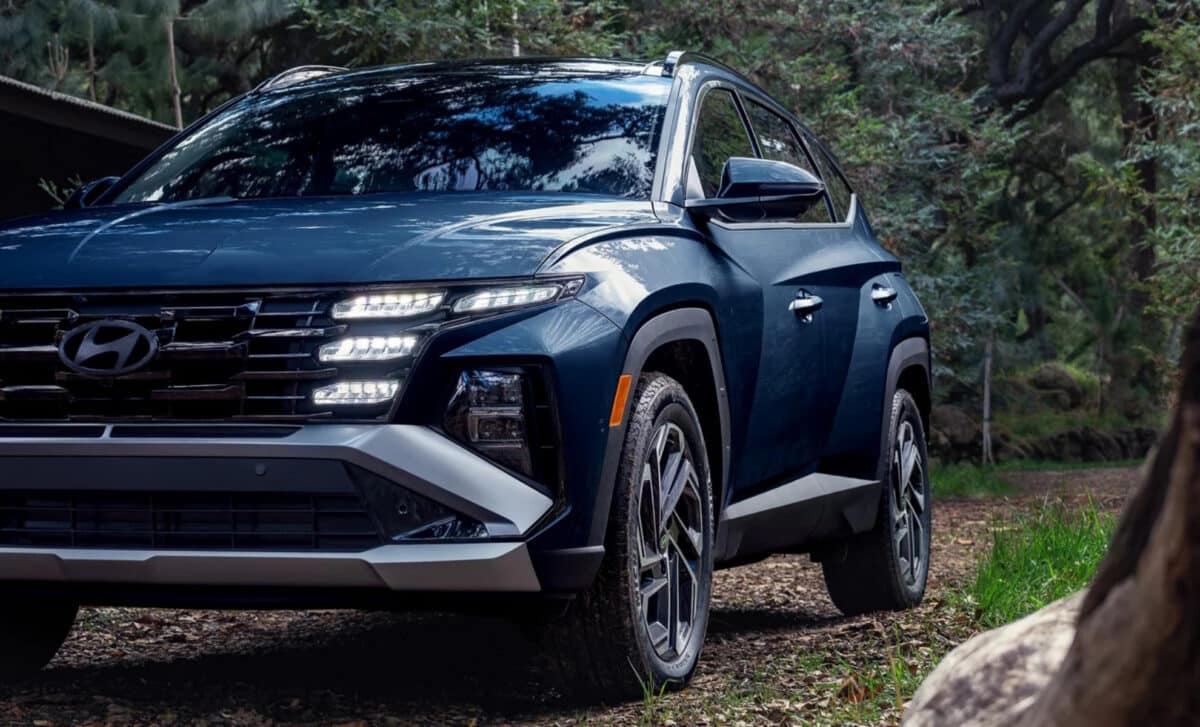
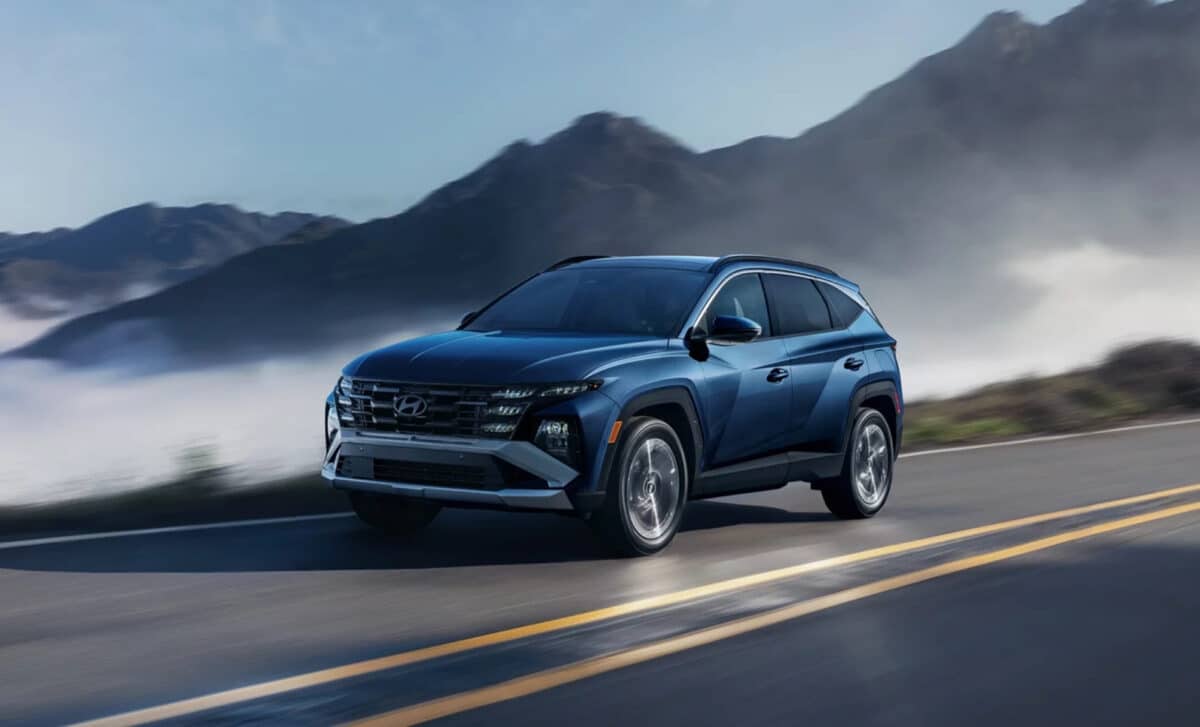
At the top of the list, the Hyundai Tucson Hybrid narrowly beat out its corporate cousin. Sharing the same platform and powertrain, it delivered similar strengths, responsive steering, solid ride, well-designed cabin, and refined tech. But Edmunds noted the Tucson’s edge in a few small details: slightly better small-item storage and a more intuitive climate control layout, with fewer shared functions on the center screen. Both models posted 35 mpg, which Edmunds called low for a hybrid, but the Tucson’s attention to user experience secured its first-place ranking.
When Refinement, Not Just Price, Wins the Category
While affordability remains key in the under-$40,000 bracket, Edmunds’ latest rankings reveal that today’s buyers expect more than a cheap sticker price. Performance, tech usability, interior execution, and everyday comfort determined the winners, with the Hyundai Tucson Hybrid setting the standard. Meanwhile, once-reliable favorites like the Forester and Equinox may face challenges staying relevant without meaningful updates.