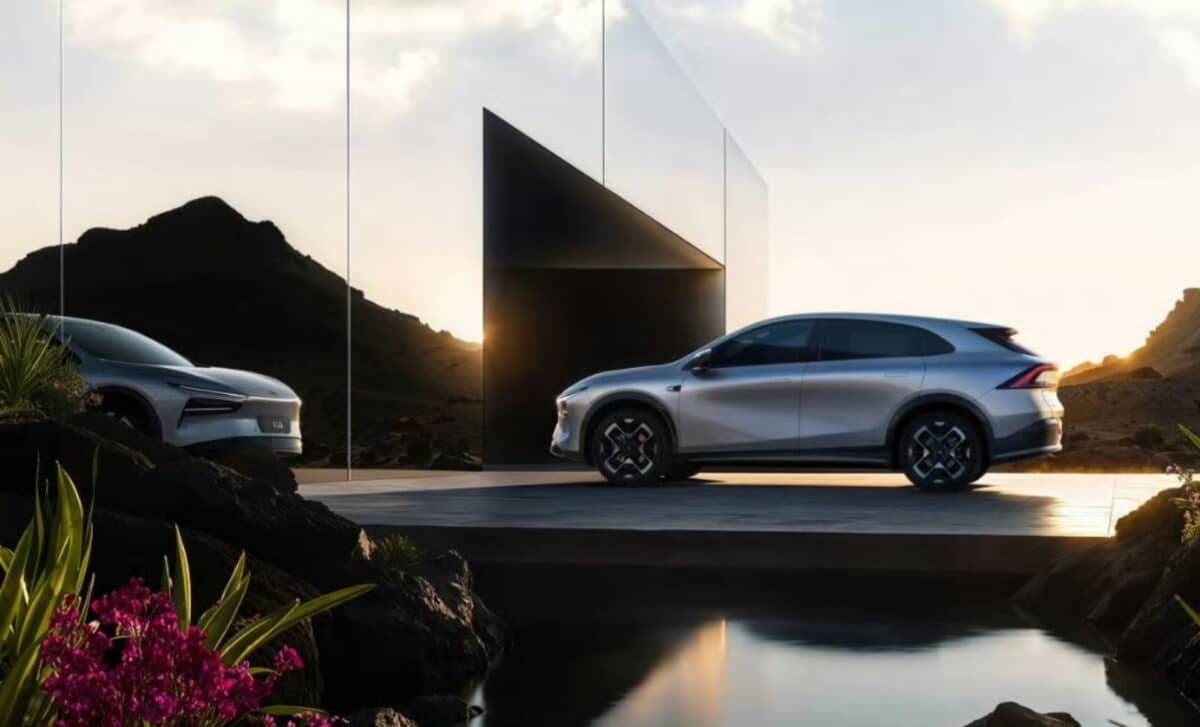
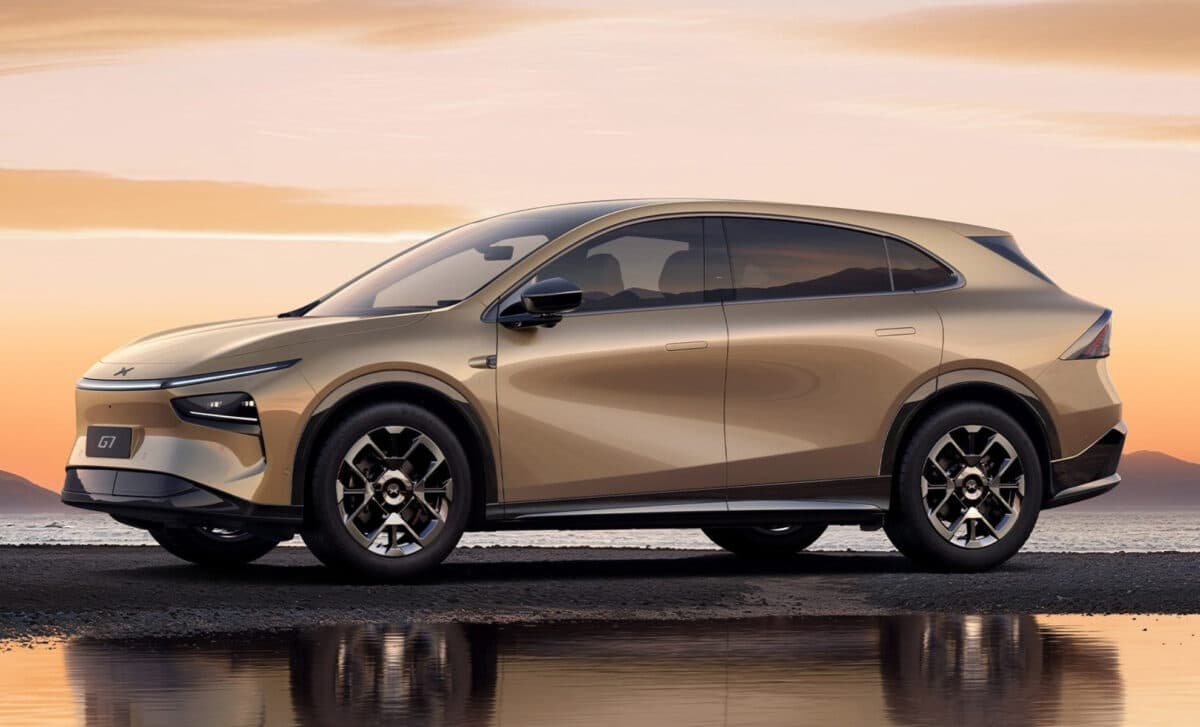
Launched at a press event in Guangzhou, the new G7 is part of Xpeng’s dual release that also includes the P7+ sedan. The move signals a new chapter in the company’s expansion plan, aimed not only at the domestic market but also at key international regions. With a starting price under $30,000, the new model promises long-distance capability without a premium price tag.
Xpeng’s announcement arrives amid intensifying competition in the electric and hybrid vehicle sector, particularly from brands like Tesla and BYD. While many automakers remain focused on battery-only platforms, Xpeng’s approach merges the efficiency of electric driving with the reassurance of internal combustion backup.
An Extended-Range Approach to Electric Mobility
The G7 isn’t a conventional electric SUV. It belongs to the Extended-Range Electric Vehicle (EREV) category, meaning it relies on a petrol engine not for propulsion, but to generate electricity for its 55.8kWh battery. The vehicle also includes a 60-litre fuel tank, allowing the petrol engine to act as a generator and recharge the battery during long journeys.
This setup allows the G7 to deliver up to 1,704 km of uninterrupted driving, a range that covers the distance between Seattle and Los Angeles. For drivers in China, it’s the equivalent of traveling from Beijing to Shanghai without stopping. The battery alone can support 430 km (267 miles), offering fully electric operation for shorter trips.
He Xiaopeng, the company’s CEO, emphasized that the hybrid system maintains the driving experience of a full EV, giving users confidence without sacrificing performance. This hybrid configuration directly targets consumers who are wary of the limitations of battery-only vehicles and the sparse charging infrastructure in certain regions.
#Xpeng G7 put a massive 55.8 kWh battery : 1,704 kilometers.
— Ai✨ (@xai_42) January 15, 2026
That is Beijing to Shanghai, or Seattle to Los Angeles, on one charge
$28,000 USD pic.twitter.com/0taVvgdHab
Competitive Pricing Meets Global Ambitions
Pricing plays a major role in Xpeng’s strategy. The G7 starts at 195,800 yuan (approx. $28,000), with both the extended-range and fully electric versions priced identically. This same model is being applied to the P7+ sedan, which also uses the super extended range system.
By removing the cost difference between powertrains, Xpeng is offering consumers flexibility without financial compromise. This pricing structure may be key as the company rolls out its “go global 2.0” expansion plan. Targeted markets include Europe, Southeast Asia, the Middle East, and Africa, where infrastructure limitations often discourage full EV adoption.
The company sees this hybrid solution as a bridge for consumers hesitant to embrace full electrification. It is particularly focused on customers in developing markets or those outside urban EV ecosystems, where long-distance travel and charging availability remain concerns.
New Launch Builds on Previous Hybrid Success
This is not Xpeng’s first foray into hybrid vehicles. In November 2025, the company launched the X9 minivan, which offered a driving range of 1,602 km. The response was strong. By December, Xpeng had delivered 5,424 units of the X9, nearly three times the number sold a year earlier, based on data shared by the company.
This performance validated Xpeng’s extended-range concept and likely influenced the decision to expand the technology to other segments. The G7 and P7+ now follow in the footsteps of the X9, aiming to build a product lineup that emphasizes long range, flexibility, and affordability.
According to CEO He Xiaopeng, Xpeng was ranked eighth globally in terms of sales volume among new energy vehicle brands over the first ten months of 2025. The strong domestic reception of the X9 has provided momentum for the G7’s rollout, which is expected to form a central part of the company’s international push.