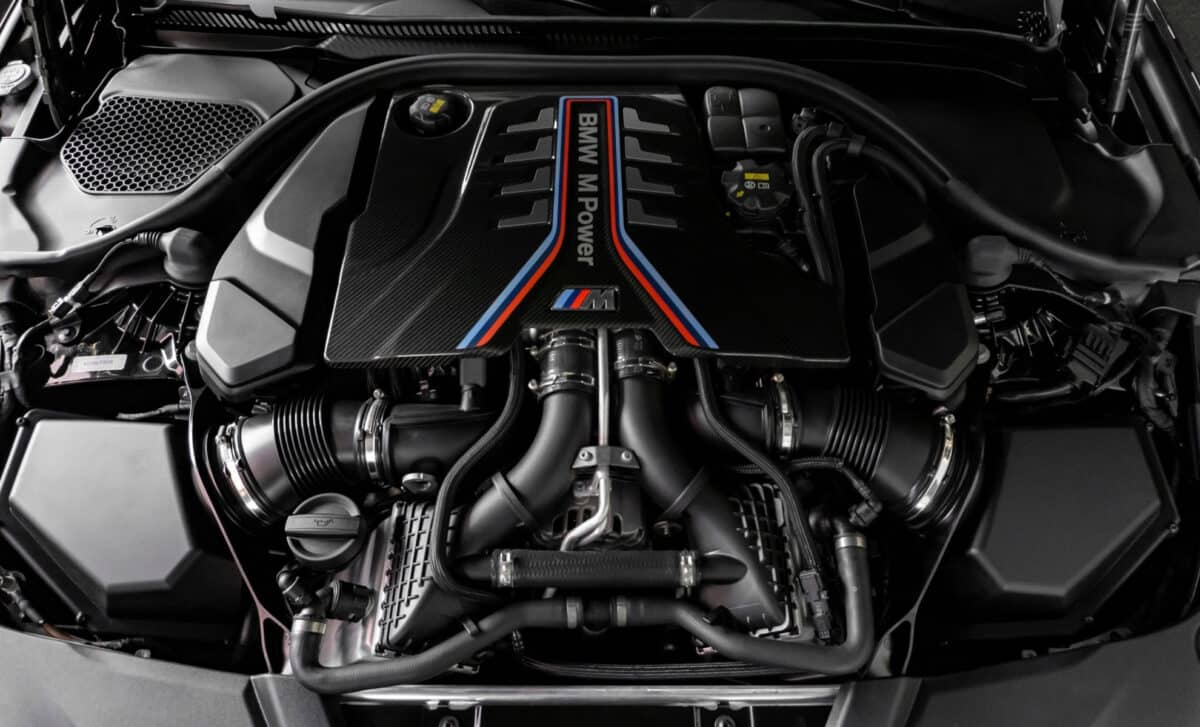
The German automaker confirmed that its inline-six, V8, and V12 engines are being engineered to meet Euro 7 emissions regulations, ensuring their continued production and availability into the next decade.
While emissions rules are tightening, particularly in the European Union, BMW says it has taken early steps to adapt. The brand’s latest engines were developed from the outset to comply with stricter standards, allowing them to survive where many competitors’ powertrains may not. The move is part of BMW’s long-standing strategy to offer multiple drivetrains to suit different markets, rather than focusing solely on electric propulsion.
The decision comes as industry giants either drop or severely limit their large combustion engines. For BMW, keeping these powerplants alive, especially the V12, now exclusive to Rolls-Royce, represents both a technological challenge and a statement of identity.
Engineered From the Start for Euro 7
BMW’s plan to continue selling large combustion engines hinges on preemptive development. Joachim Post, BMW’s Chief Technology Officer, told Autocar that the automaker’s inline-six and V8 engines were engineered from day one to handle Euro 7 emissions standards, which are expected to come into force later this decade.
“We can fulfil Euro 7 with some optimization in the exhaust system – with things like the catalysts – so that’s why we have a big advantage in that Euro 7 is not that high an investment for us,” Post said.
The strategy allows BMW to maintain its lineup of performance engines without major redesigns or added costs. It’s a significant advantage at a time when emissions rules are widely seen as the biggest threat to large-displacement engines, particularly in the EU market.
V12 Stays Alive Through Rolls-Royce
BMW’s V12 engine, while no longer found under the BMW badge since the end of the M760i Final Edition in 2022, is still very much in use within the Rolls-Royce lineup. The twin-turbocharged 6.75-liter V12, known internally as the N74, powers the Ghost, Cullinan, and Phantom models.
Joachim Post confirmed to Autocar that the V12, like its six- and eight-cylinder siblings, is also engineered to comply with Euro 7. He hinted that the engine will feature in the next generation of BMW products, although it’s unclear whether that applies solely to Rolls-Royce or possibly extends to BMW Alpina, which recently became a fully integrated sub-brand.
Positioned above BMW and aimed at rivals like Mercedes-Maybach, Alpina could be a natural fit for the V12, but no official decision has been announced. For now, the engine appears to remain exclusive to Rolls-Royce, though its future beyond that brand remains open.
M3 and M4 Will Keep Combustion Options
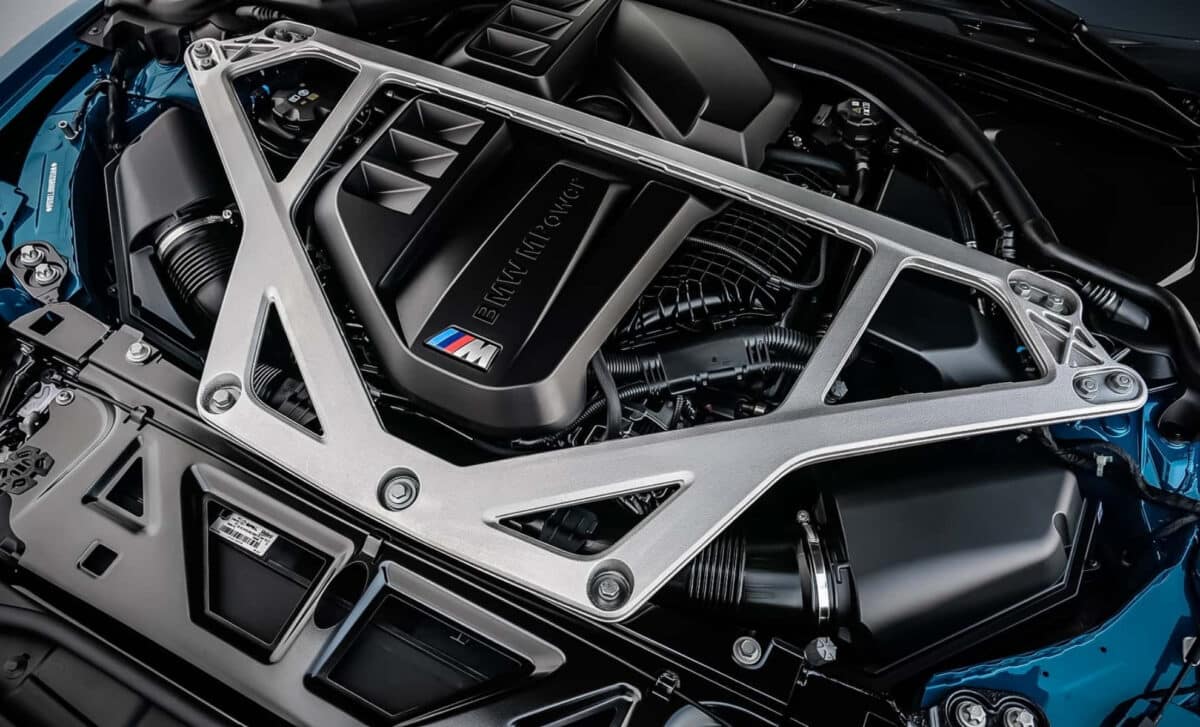
BMW is not phasing out combustion engines in its high-performance M models either. A fully electric BMW M3 has already been teased, with a release date planned for 2027. But customers will also have the choice of a gas-powered M3, expected to arrive around a year later. That model will use a revised S58 engine, a 3.0-liter twin-turbo inline-six, which will likely incorporate mild-hybrid technology to meet regulatory requirements.
Speaking to Autocar, Post also confirmed that the M4 may continue beyond its current generation. The current M4 model has reportedly had its life cycle extended to mid-2029, meaning a replacement wouldn’t launch until 2030 at the earliest. Post noted that the next M4 would remain based on the 4 Series, signaling the continuation of four-cylinder engines as well.
These decisions reflect BMW’s commitment to offering customers both electric and internal combustion versions of key models, rather than transitioning all at once to battery-electric vehicles.
Ice Still Dominates BMW’s Global Sales
BMW’s move to preserve its big combustion engines coincides with a key regulatory shift. The European Union recently reversed its decision to implement a full sales ban on new ICE vehicles from 2035, offering automakers more flexibility in their future lineups. The timing benefits BMW, which has invested in making its engines compliant with upcoming regulations rather than phasing them out.
BMW has repeatedly emphasized that global adoption of electric vehicles varies widely by region. In 2025, approximately 82 percent of all BMW, Mini, and Rolls-Royce vehicles sold globally will still rely on internal combustion. This figure underlines how far the industry still is from a full transition to electric, and why maintaining a diverse lineup makes business sense.