
In remarks that clarify Tesla’s status, a senior official from the California Public Utilities Commission (CPUC) stated that the company’s service does not meet the definition of an autonomous vehicle program. The statement challenges Tesla’s public framing of its “robotaxi” operations and highlights a regulatory gap in how such services are classified.
The issue matters because companies like Waymo and Zoox are required to submit detailed operational data, while Tesla is not. This creates an uneven landscape in oversight, even as similar services are presented to the public under comparable branding.
Tesla Operates Under a Limousine-Style Permit, Not an AV License
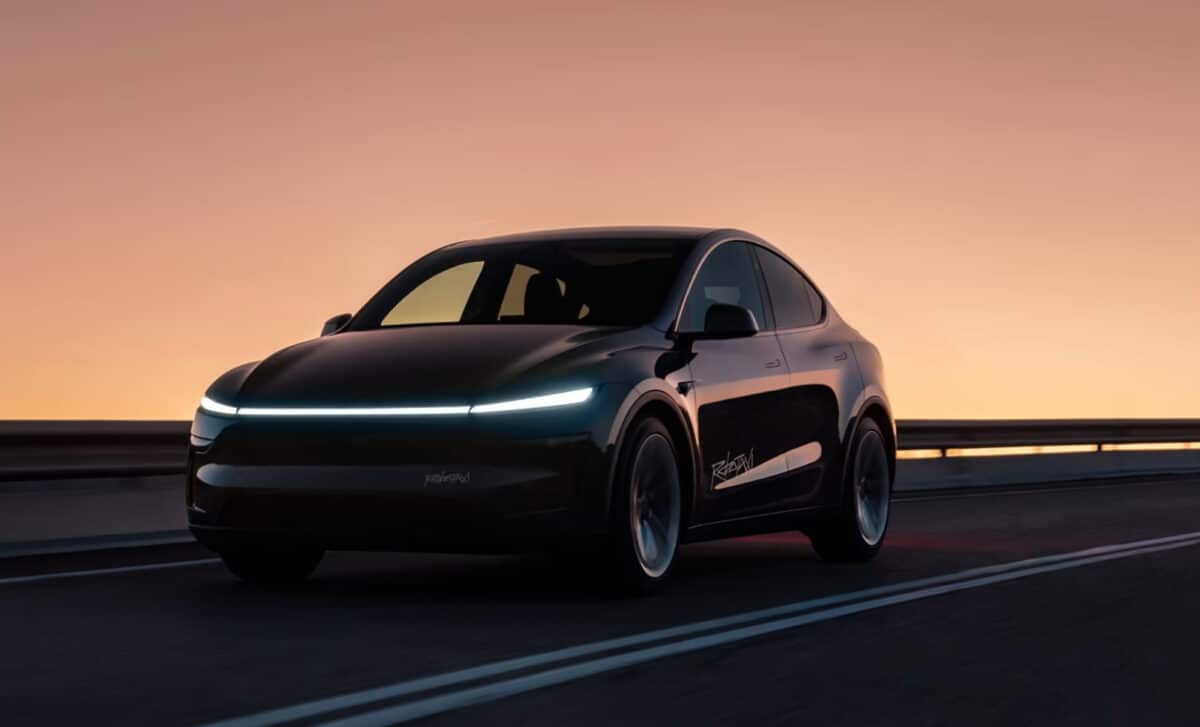
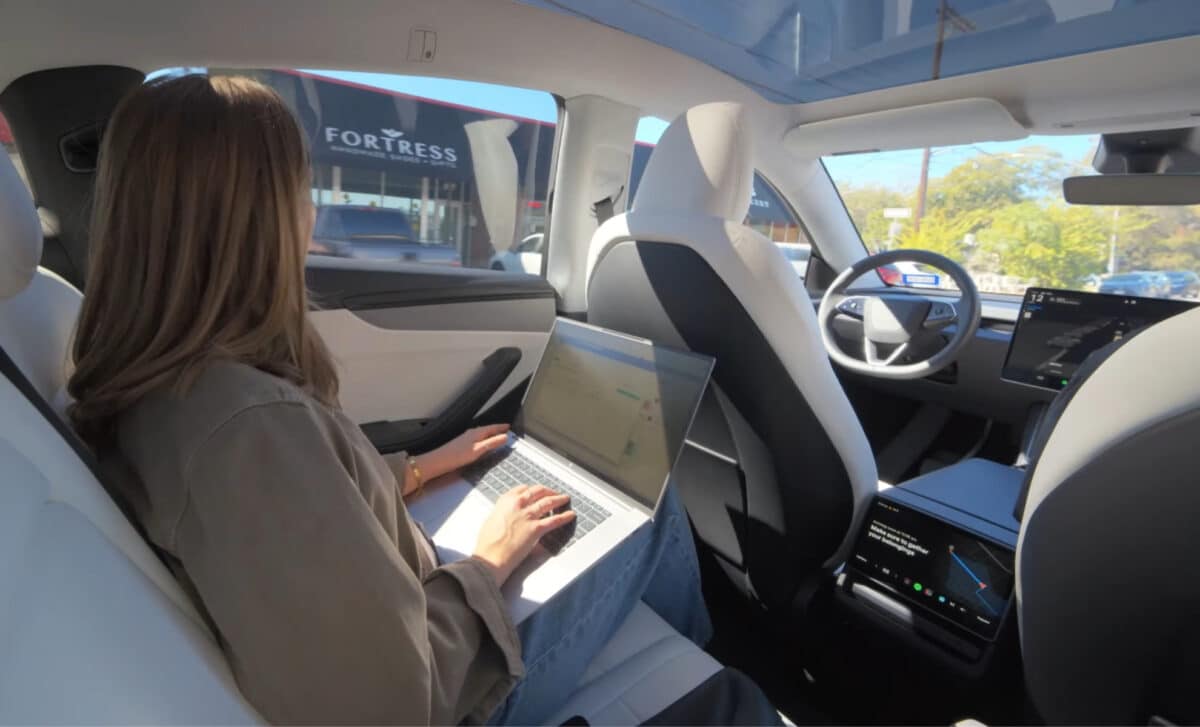
According to Electrek, Pat Tsen, deputy executive director at the CPUC, made clear that Tesla does not hold a permit for autonomous vehicle operations in California. Instead, the company operates with a charter party carrier (TCP) permit, the same authorization used by limousine companies.
In an interview on the Driverless Digest Podcast, Tsen directly addressed the classification: “Tesla is not operating an autonomous vehicle service.” He explained that California defines autonomous vehicles as SAE Level 3 or higher, meaning the system can drive itself within defined conditions. Tesla’s system, categorized as Level 2, does not meet that threshold.
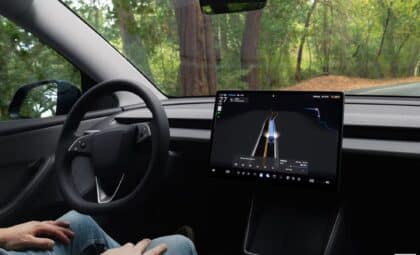
Tsen also clarified the role of the person behind the wheel. From the regulator’s perspective, that individual is the driver, not a safety monitor. Even when driver-assist features are active, responsibility remains with the human operator. He compared Tesla’s service to a driver using supervised automation on a platform like Uber.
No Safety Reporting Required Under Current Classification
The regulatory distinction has immediate implications for transparency. Companies operating autonomous vehicle services in California must report detailed trip-level data to the CPUC. This includes metrics such as vehicle miles traveled, stoppage events, passenger data, and instances requiring remote intervention.
Tesla is not subject to these requirements. Tsen confirmed that the company’s operations fall outside the autonomous vehicle reporting framework, meaning no such data is collected or published for public review.
This creates a situation where Tesla can offer paid rides while avoiding the reporting obligations imposed on competitors classified as autonomous operators. Waymo and Zoox, for instance, submit quarterly reports that are made publicly available.
A Broader Pattern in Tesla’s Regulatory Approach
The CPUC’s position aligns with a series of developments over the past year. Tesla applied for a ride-hailing service in California in early 2025 using human drivers and secured its TCP permit in March of that year.
During a regulatory rulemaking process on autonomous ride-hailing, Tesla argued against extending data reporting requirements to Level 2 systems, describing such measures as burdensome. At the same time, the company maintained that its technology could improve safety outcomes.
In February 2026, Tesla filed comments acknowledging that its “Robotaxi” service relies on in-car human drivers and remote operators in both Austin and the Bay Area. Despite this, the company sought to continue using terms such as “driverless” and “self-driving” in its marketing.
Meanwhile, Waymo operates fully driverless vehicles across several cities, completing more than 450,000 paid rides per week while complying with CPUC reporting standards.