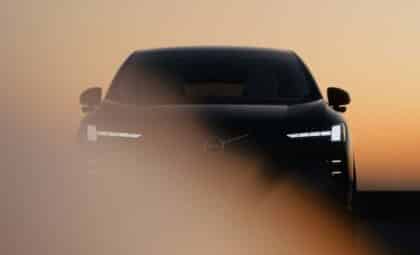
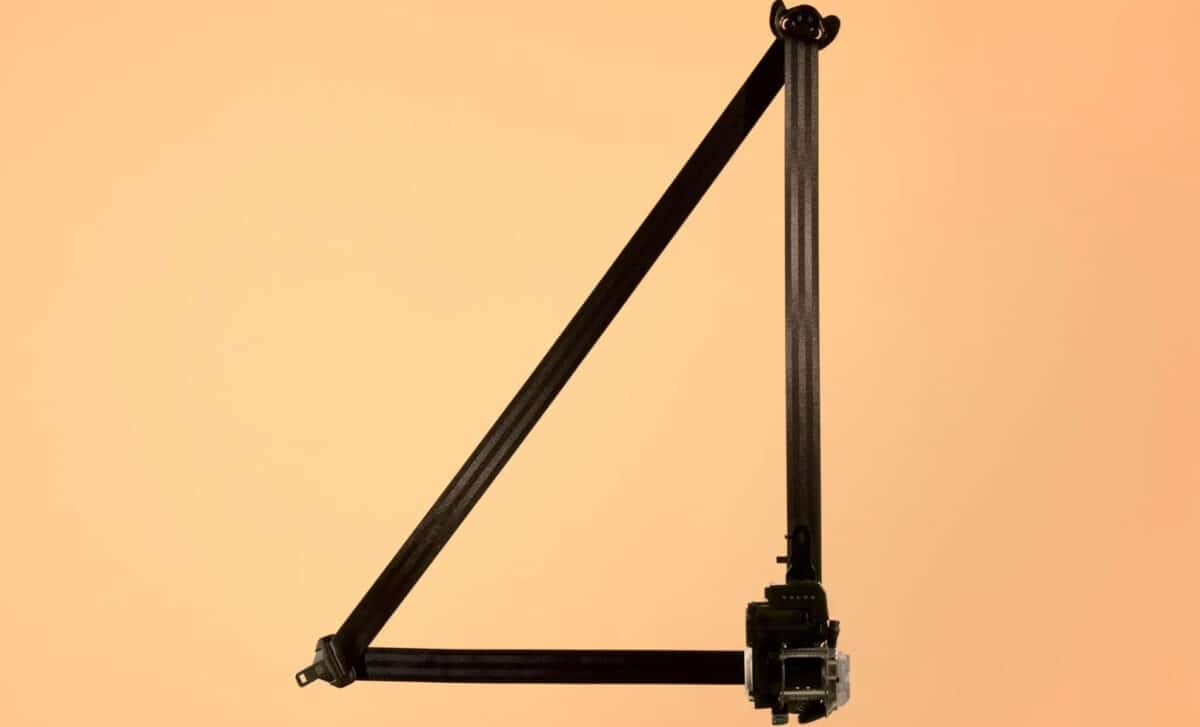
The innovation arrives as Volvo marks 70 years since introducing the three-point seatbelt, a design the company made freely available to the entire automotive industry in 1959. With this new system, the manufacturer aims to rethink a device long considered technically mature.
For decades, improvements to seatbelts focused on refinements such as pretensioners, load limiters and anchorage geometry. The fundamental logic remained largely unchanged: a restraint force applied almost uniformly, regardless of the passenger’s body type or the violence of the collision.
A System That Analyzes the Crash in Real Time
The multi-adaptive seatbelt relies on a network of internal and external sensors that collect data at the moment of impact. These sensors evaluate several parameters, including the occupant’s morphology, the seat position, the dynamics of the deceleration and the intensity of the crash.
Based on this information, the vehicle’s electronics select from several intervention strategies and adjust the restraint force accordingly. According to Auto Plus, the system is designed to tailor the response to the specific conditions of each collision rather than applying a fixed level of force.
Volvo illustrates the concept with two contrasting scenarios. A heavier passenger involved in a severe crash would receive a stronger belt tension to limit the risk of head trauma. In contrast, a lighter occupant in a less violent collision would experience lower restraint force, reducing the risk of thoracic injuries.
Moving Beyond the “One-Size-Fits-All” Restraint Model
For decades, seatbelts operated under a relatively simple assumption: the same level of restraint could protect most occupants in most crashes. Volvo’s approach challenges that idea by introducing a system capable of adapting its response to individual conditions.
The goal is to move away from a single standard of body size and crash response toward protection calibrated case by case. The manufacturer argues that tailoring the force applied by the belt could improve safety outcomes for occupants with different body types and in varying crash scenarios.
The development also reflects Volvo’s long-standing focus on safety engineering, a priority that has shaped the company’s identity since the introduction of the three-point seatbelt more than seven decades ago.
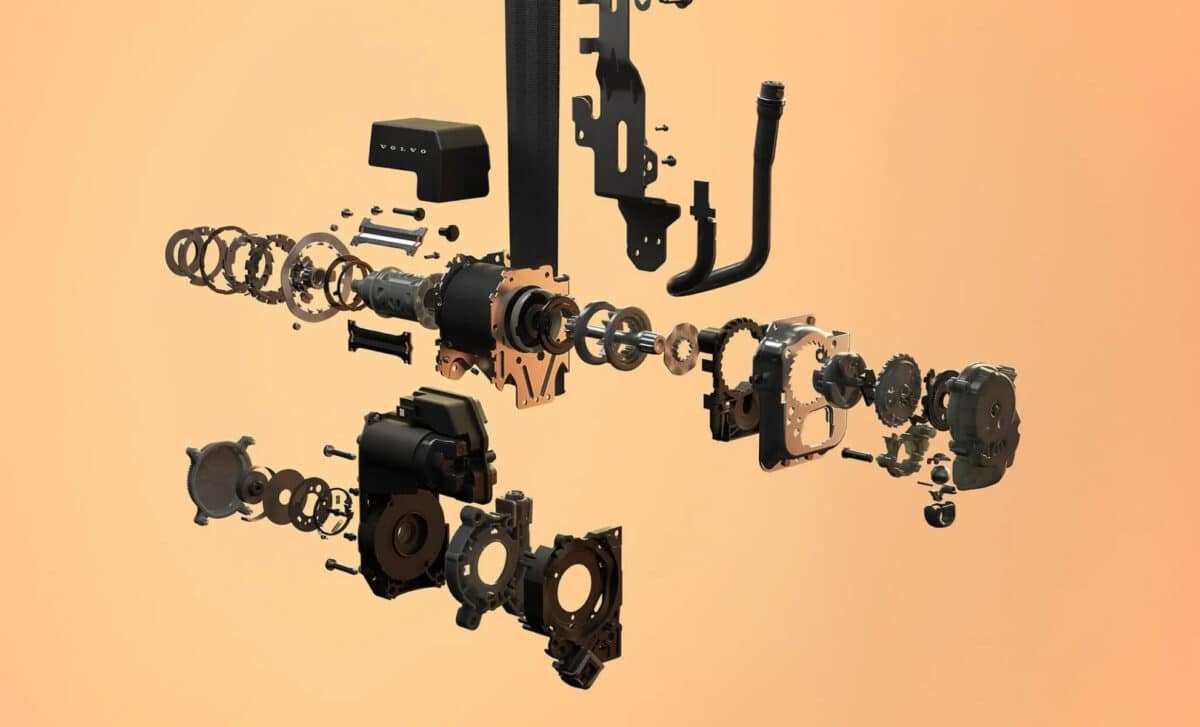
A Seatbelt Designed to Evolve Through Software Updates
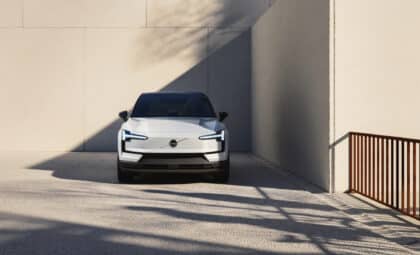
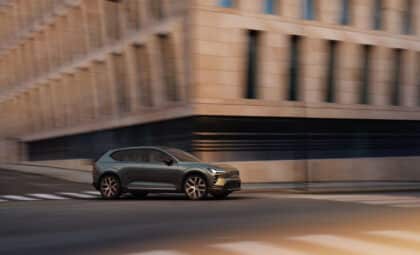
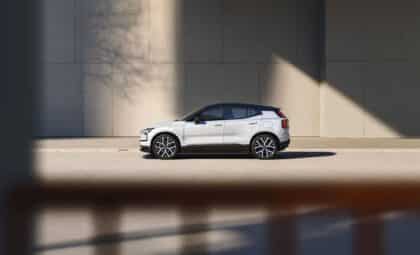
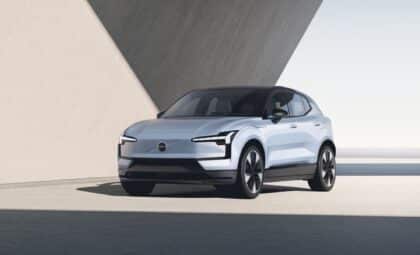
Another distinguishing aspect of the system is its software-driven architecture. The seatbelt installed in the EX60 is designed to receive over-the-air updates, allowing its algorithms to evolve after the vehicle has been sold.
This means the system’s behavior could be refined over time without mechanical modifications. The seatbelt is also integrated into a broader safety ecosystem, communicating with airbags and other onboard safety technologies.
On paper, the concept appears coherent, but its real-world effectiveness remains to be seen. As the EX60 reaches the market, the system’s performance will eventually be evaluated through independent crash-test protocols and real-life data, which will determine how this new generation of restraint technology performs outside the laboratory.