
From affordable compacts to ultra-luxury flagships, the incoming wave spans every segment, and every major manufacturer. The transition to electric isn’t slowing down. It’s shifting gears.
Despite political uncertainty and skepticism around EV adoption, manufacturers are charging ahead. New platforms, battery technologies, and software systems are making their debut across dozens of models. This wave represents not just a product launch cycle, but a deeper evolution, where EVs move from niche to mainstream, from novelty to normal.
What stands out isn’t just the number of vehicles, but the range of strategies behind them. Some companies are rebooting iconic models with new electric powertrains. Others are introducing entirely new vehicle classes. From Ferrari’s first electric car to an affordable Chevrolet Bolt reboot, 2026 will test the market’s appetite, and the automakers’ readiness.
Traditional Manufacturers Reboot Their Electric Strategies
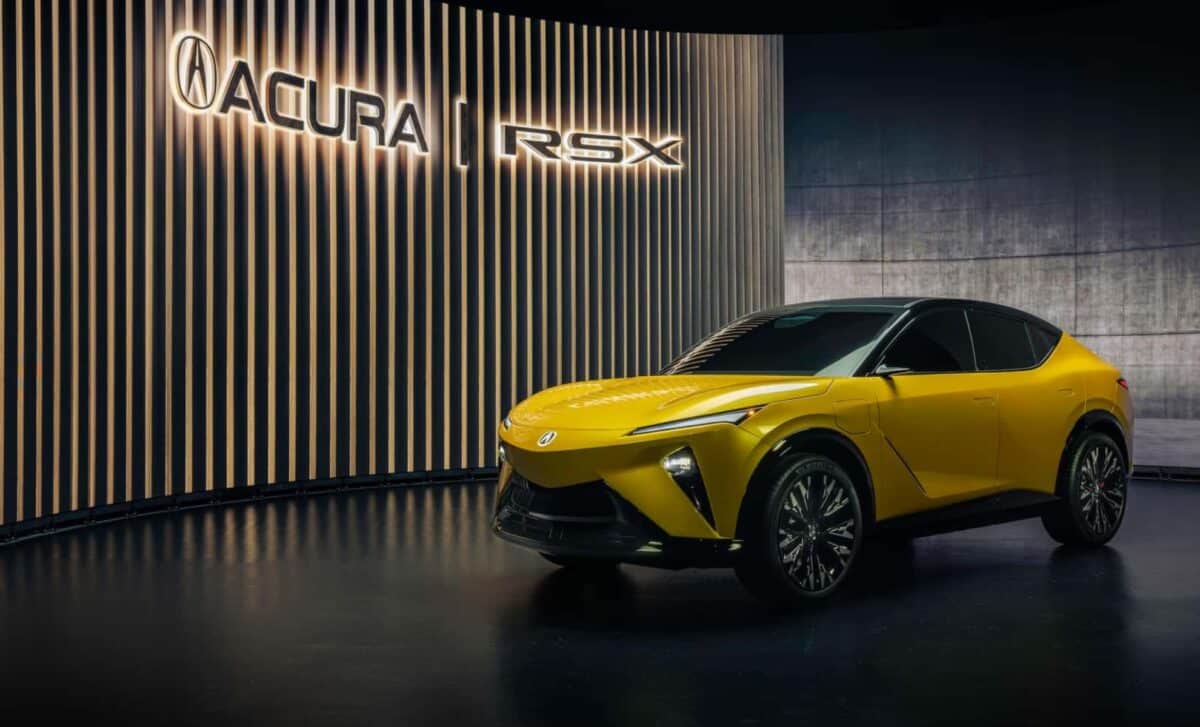
Honda is making its most significant EV push yet, unveiling three vehicles based on its new 0 Series platform. Leading the lineup is the Acura RSX, a dual-motor compact crossover coupe slated for early 2026. It will run on Honda’s Asimo OS, feature an AI assistant, support OTA updates, and offer over 300 miles of range. Two other models follow: a more affordable 0 Series SUV, expected to outsell its sibling, and a 0 Series Saloon, a wagon-shaped EV set for production in Ohio.
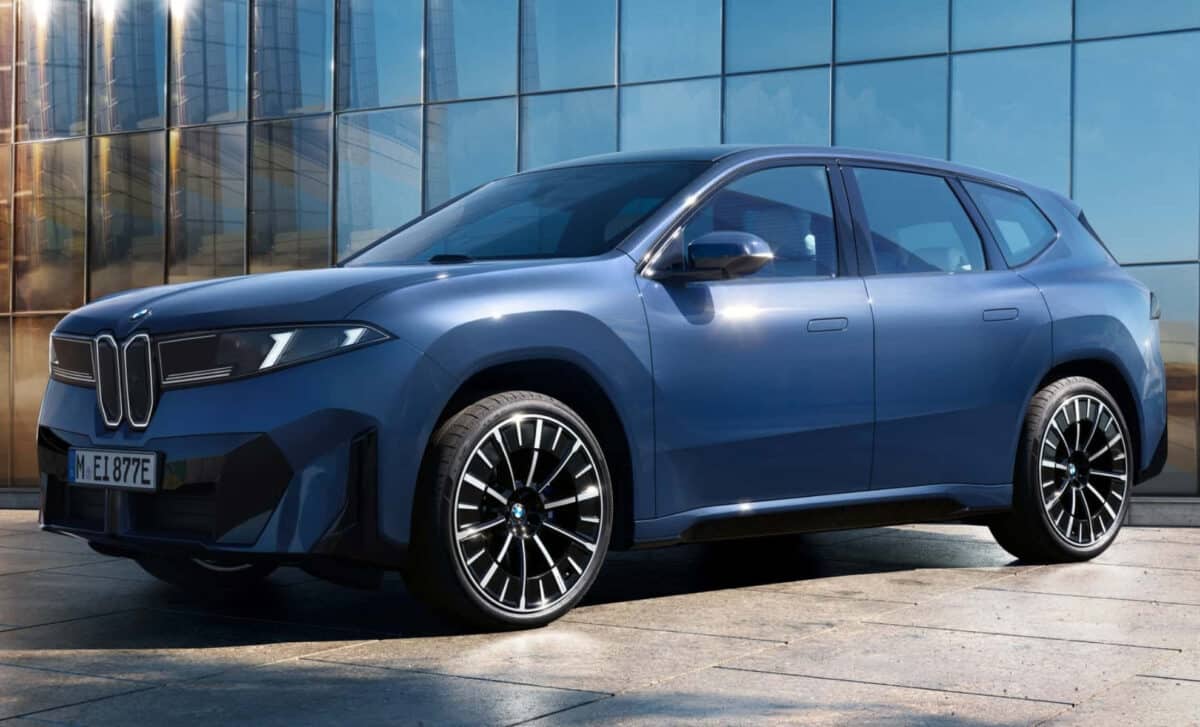
BMW will introduce the iX3, built on its Neue Klasse platform. Designed as a fully software-defined vehicle, the iX3 offers over 400 miles of range and 400-kilowatt charging, along with a panoramic screen and AI assistant. This is the brand’s first step toward replacing traditional sedans and SUVs like the 3 Series and X5 with electric equivalents.
Mercedes-Benz is launching multiple vehicles in 2026, beginning with the CLA, which debuts the MB.OS system and features 400 miles of range, fast charging, and Nvidia-powered urban driving assistance. Starting at $48,000, the CLA aims to reset the company’s mass-market EV offerings. The GLC EV, arriving in late 2027, will offer 350+ miles of range, a redesigned cabin, and over-the-air software capability.
Mercedes will also unveil an electric VIP van, previewed by the Vision V Concept, on its new VAN.EA platform. The luxury model will be built for high-end comfort and likely equipped with large screens, recliner seating, and a premium price tag.
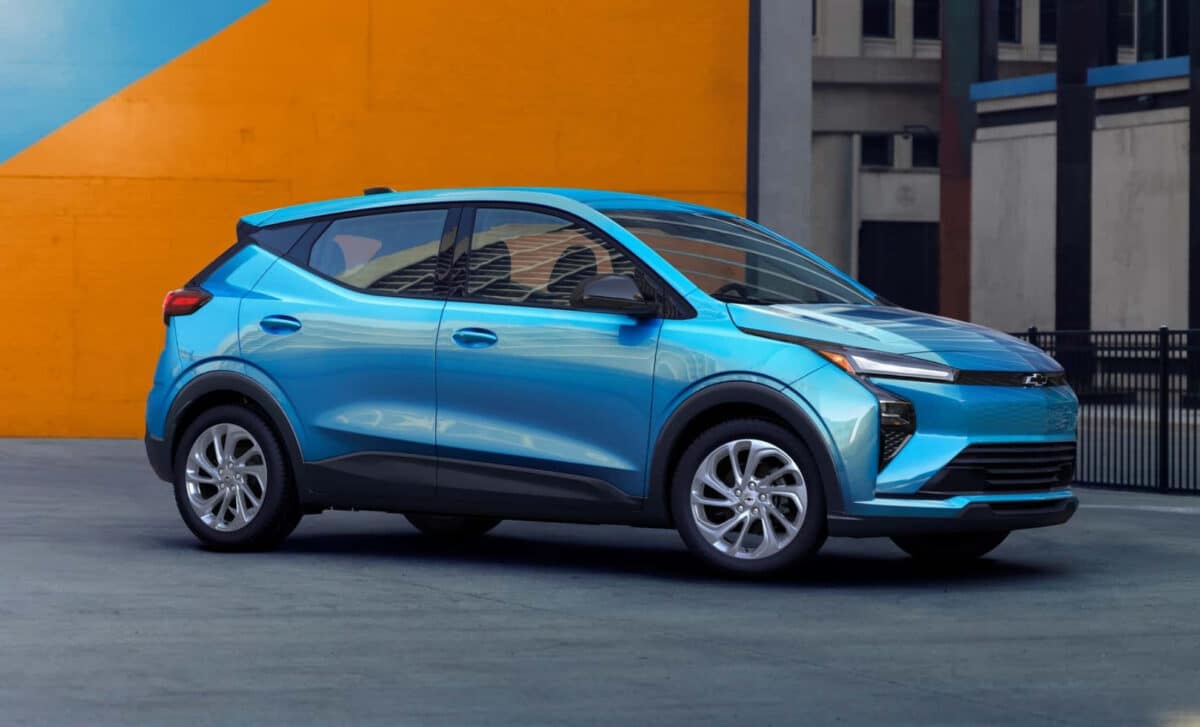
Chevrolet plans to relaunch the Bolt in 2027, featuring GM’s first U.S.-market lithium iron phosphate (LFP) battery. The car adds a heat pump, 150-kilowatt fast charging, and new software, all while keeping its sub-$30,000 price. These updates address many of the shortcomings that limited the original Bolt’s appeal.
Luxury and Performance Brands Enter the Electric Era
Ferrari is expected to unveil its first electric vehicle in the first half of the year. Though not officially named, the Elettrica prototype is said to feature a quad-motor layout, four seats, over 1,000 horsepower, and approximately 300 miles of range. Spy shots offer a glimpse of its likely design, but final specs remain under wraps.
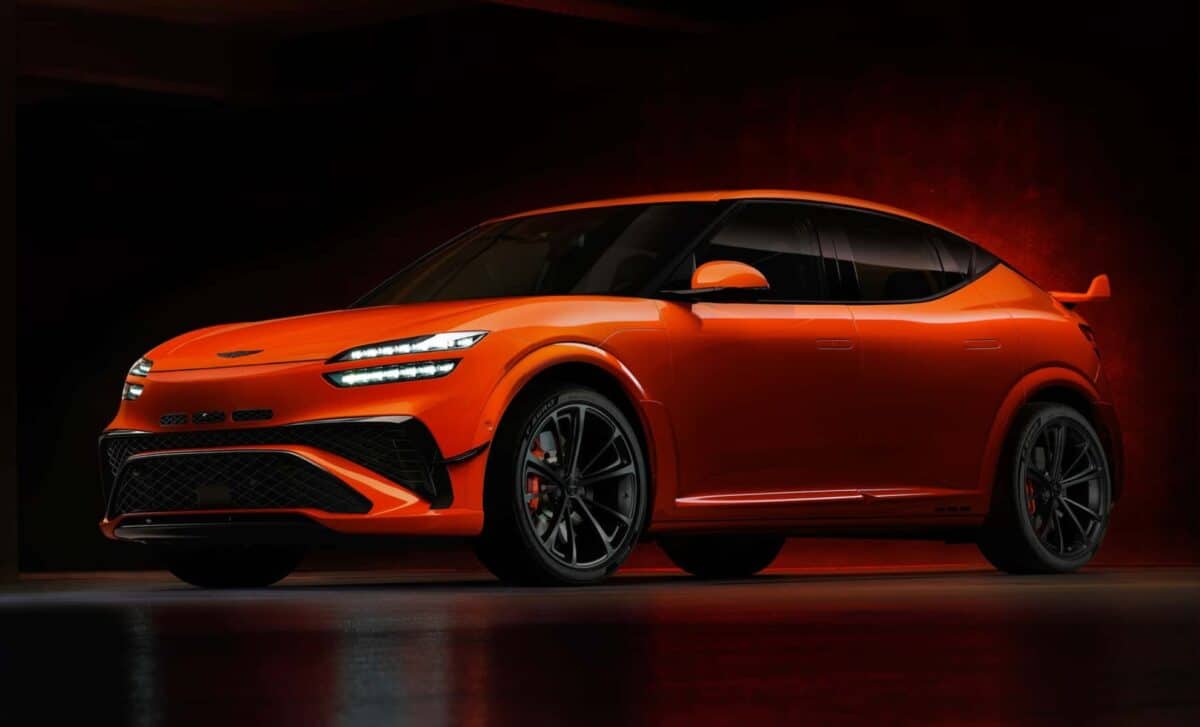
Genesis will debut two EVs: the GV60 Magma, producing up to 650 hp with launch control, reaching 0–60 mph in 3.4 seconds; and the GV90, a three-row SUV teased by the Neolun concept, filling a longstanding gap in the brand’s lineup.
Jaguar is repositioning itself in the ultra-luxury space with the Type 00, a 986-horsepower GT car aimed at a niche market. The bold design and new performance focus signal a clean break from Jaguar’s prior mainstream luxury image.
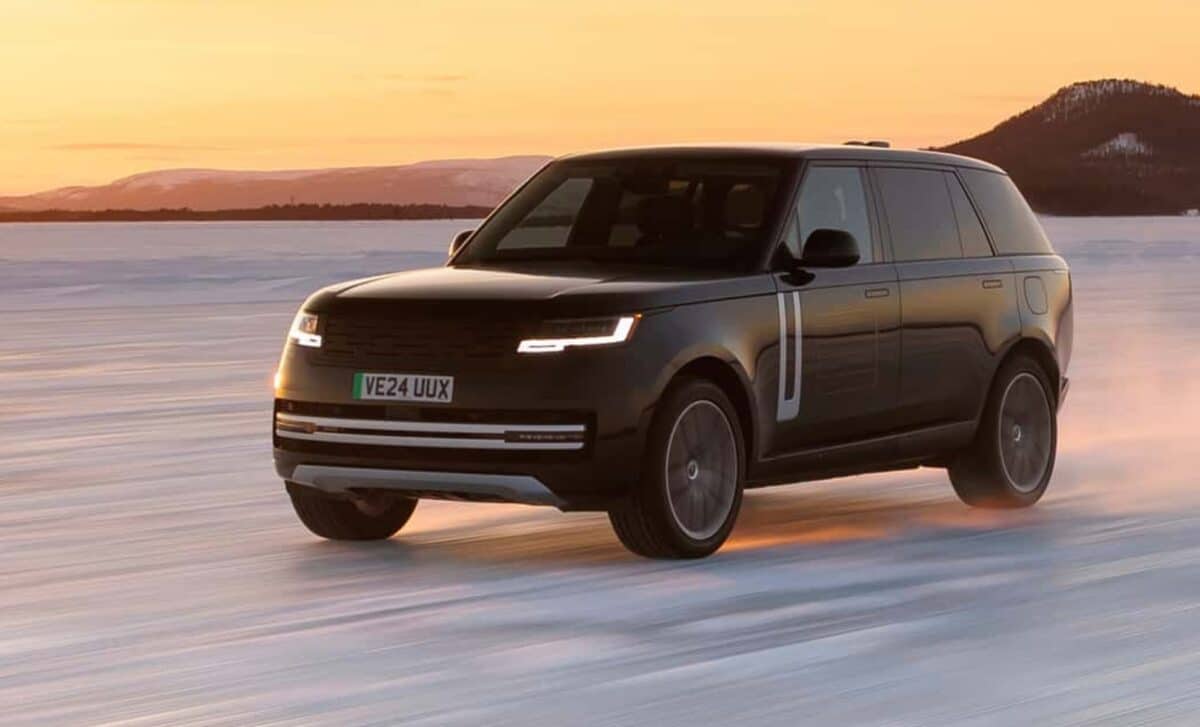
Land Rover will roll out the Range Rover EV, featuring nearly 300 miles of EPA range, an 800-volt system, 10.4 inches of ground clearance, and dual motors capable of directing 100% torque to a single wheel. While power is limited to 550 hp, its torque distribution system is engineered for optimized off-road capability.
Mercedes-AMG joins the electric performance market with the GT XX, based on the AMG.EA platform. The production model is expected to offer 1,341 hp and a 223 mph top speed, with charging rates averaging 850 kilowatts, enabling around 250 miles of range in just 5 minutes.
Lucid is preparing to launch a mid-size electric SUV, possibly called the Earth, with a targeted starting price around $48,000. It follows the Air and Gravity models and aims to deliver a more accessible Lucid product. Delays are possible due to prior slow rollouts.
Porsche will electrify the Cayenne, delivering up to 1,139 hp in Turbo form. The SUV will support both 400-kilowatt fast charging and wireless charging via a weatherproof pad. Unlike other brands, Porsche plans to continue offering gas and hybrid variants in parallel.
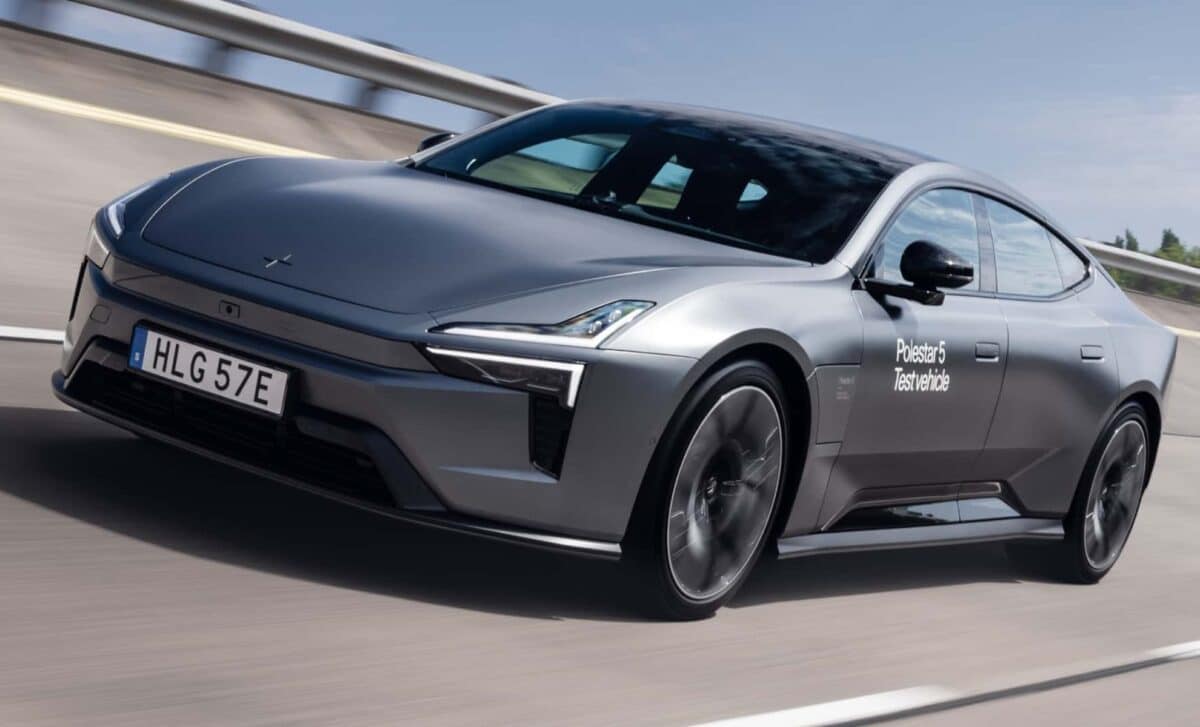
Polestar will launch the Polestar 5, a 4-door electric GT with 884 hp, up to 330 miles of range, 800-volt architecture, and 350-kW charging. Though built in China, its U.S. launch is uncertain due to high import tariffs, a factor Polestar has yet to address.
Practical EVs and New Concepts Target Broader Audiences
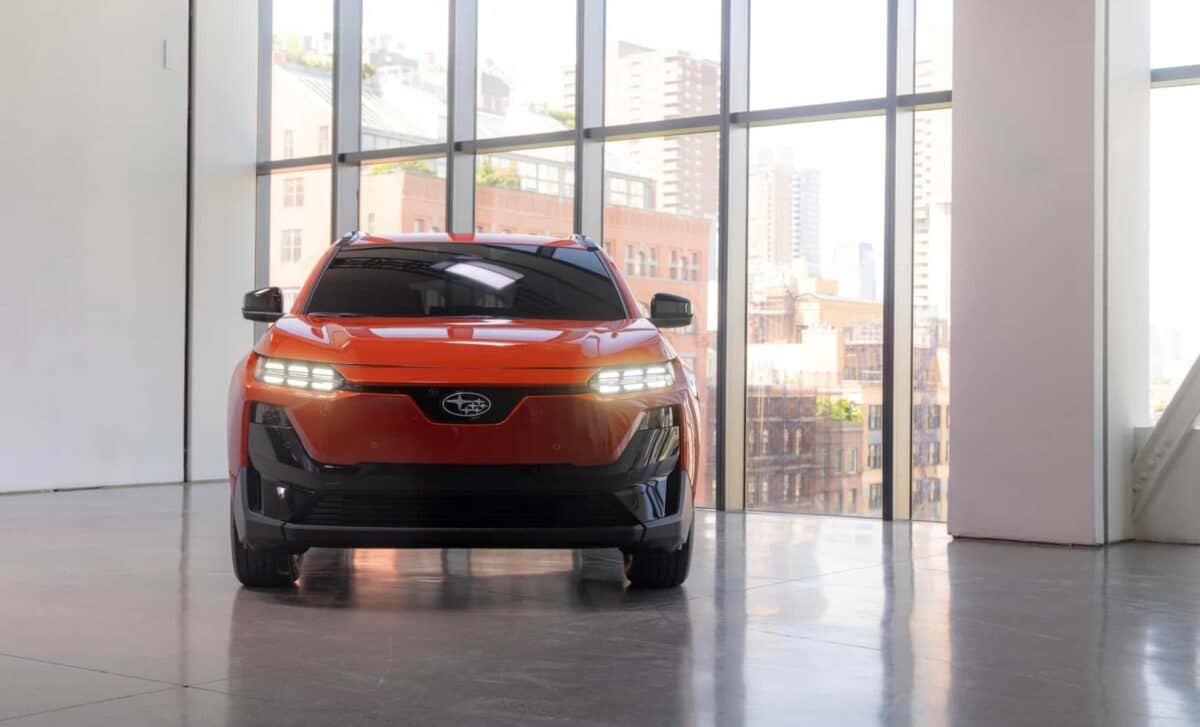
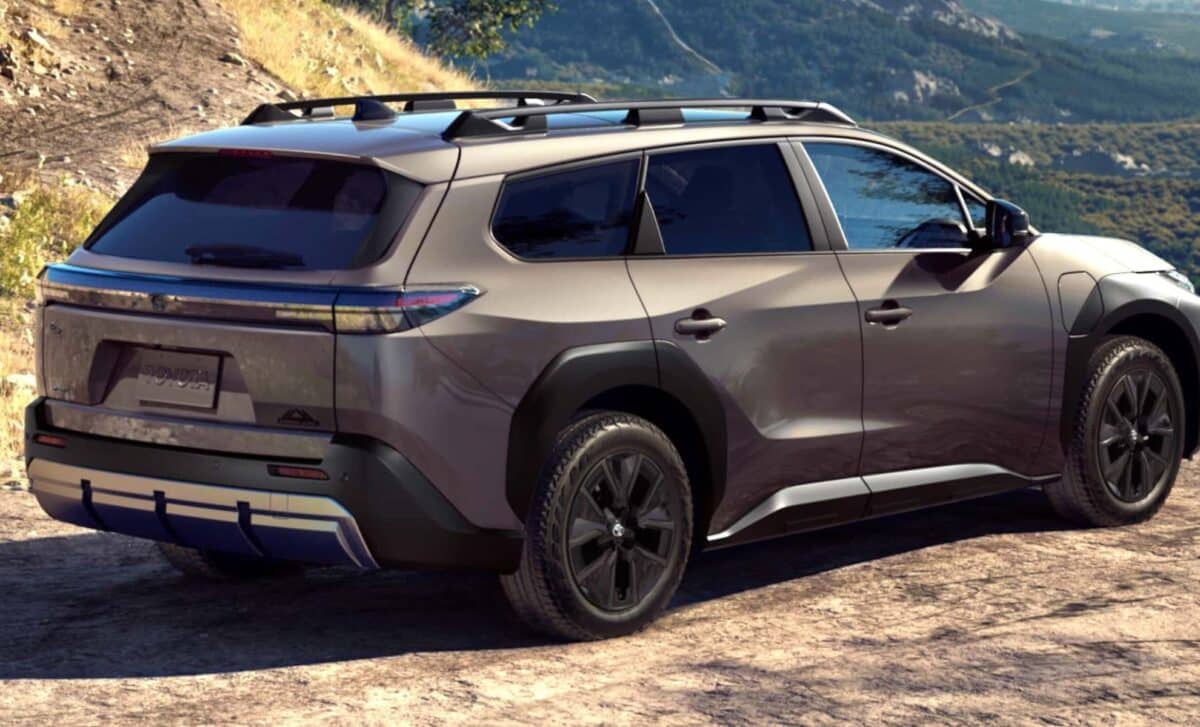
Subaru and Toyota are teaming up on multiple models. The Subaru Trailseeker and Toyota bZ Woodland share a 74.7-kWh battery, 375-hp dual-motor powertrain, and roughly 260 miles of range. Subaru’s Uncharted, the Crosstrek’s electric equivalent, will offer up to 338 hp with AWD or over 300 miles of range in a FWD version priced around $35,000.
Toyota’s C-HR will be its lightest and most compact electric crossover, offering up to 290 miles in FWD and using the 338-hp dual-motor layout for AWD. Toyota is expected to upgrade its EV software, previously criticized for weak navigation and charging features.
Mitsubishi will launch the Lancer EV, essentially a rebadged Nissan Leaf with a 75-kWh battery providing up to 303 miles of range. A more affordable variant with a smaller 52-kWh pack may follow, bringing the price down further.
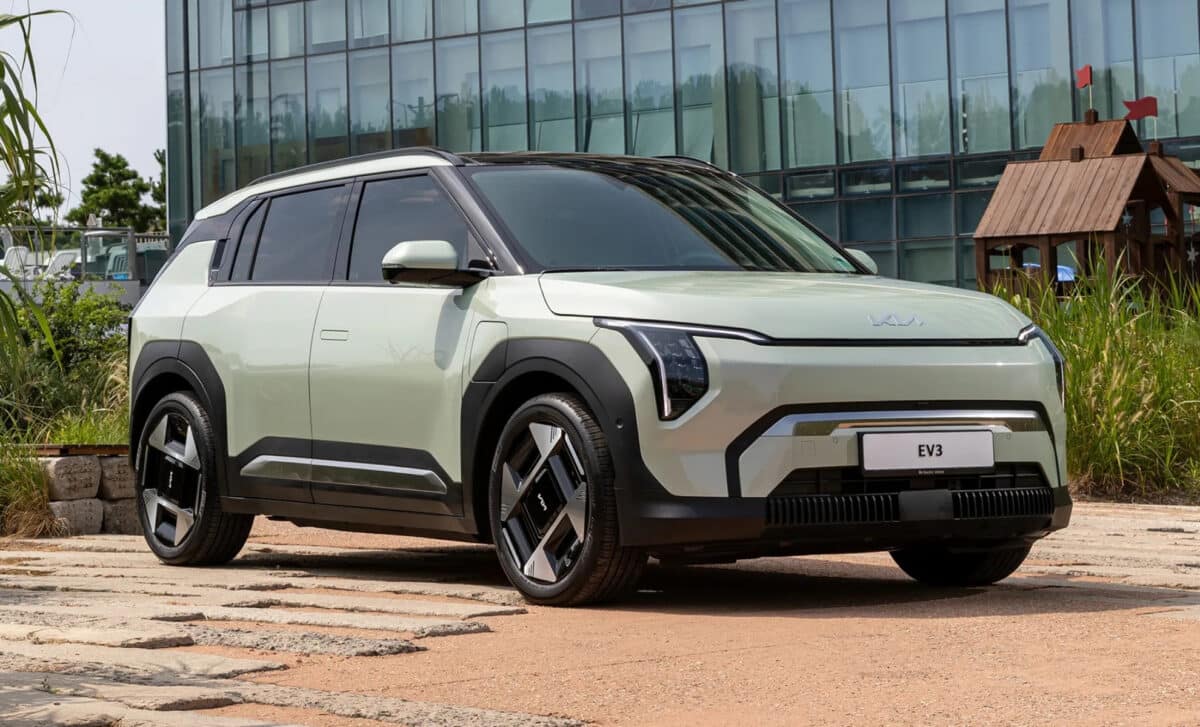
Kia’s EV3, already on sale internationally, offers AWD, updated software, and faster charging. However, pricing in the U.S. remains uncertain due to new tariffs on imports from South Korea. Kia may face pressure to relocate production or adjust pricing to remain competitive.
Rivian will introduce the R2, a $45,000 electric SUV with over 300 miles of range. It brings R1-level tech and design to a more affordable tier and includes lidar in later models. If successful, the R2 could position Rivian as a serious rival to Tesla’s Model Y.
Ram will release the 1500 REV, an extended-range electric vehicle (EREV) powered by two electric motors and a 92-kWh battery, backed by a 3.6L V6 generator. It will offer 145 miles of electric-only range and over 600 miles combined, providing a bridge for consumers not ready to commit to full electrification.
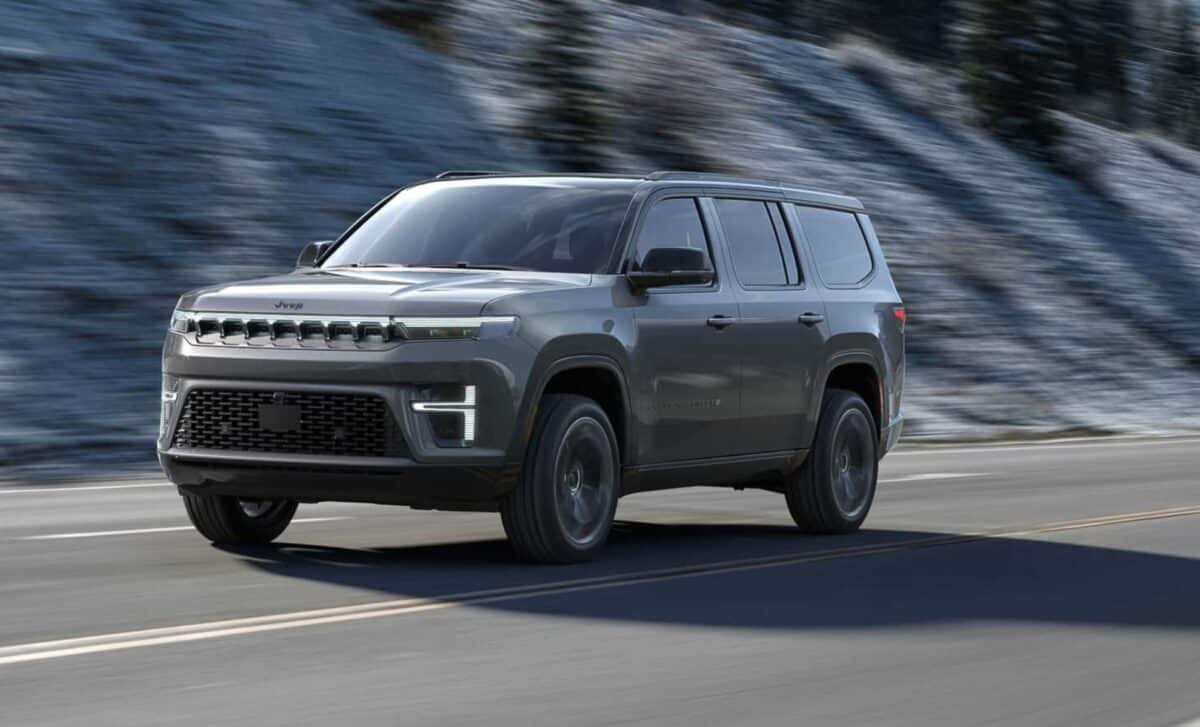
Jeep will debut the Grand Wagoneer EREV, built on the same EREV platform as the Ram, and the Recon, a Wrangler-style EV with 33-inch tires, 9.1 inches of ground clearance, and a locking differential. The Recon’s Moab trim will feature a 100.5-kWh battery but only 230 miles of EPA range, highlighting the efficiency challenges of off-road EVs.
Slate is launching a no-frills electric truck priced between $25,000 and $30,000. The bare-bones model lacks back seats, power windows, and infotainment systems but offers modularity and 150 miles of range. Customization will be key, with optional SUV shells and wraps.
Sony-Honda Mobility enters the market with the Afeela 1, launching under a standalone brand. The 483-hp, 300-mile-range EV will not be sold through Honda dealers but via new showrooms in California. Priced at $103,000, the Afeela emphasizes in-car entertainment, but skepticism remains over its specs and value.
Volvo will launch the EX60, built on an 800-volt platform with a reworked software suite. While final specs are due January 21, it will offer up to 400 miles of range and 400-kilowatt charging.