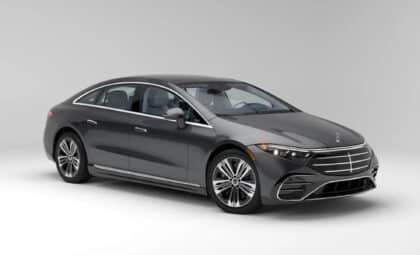


For decades, automakers have marketed cars toward the young—agile handling, flashy dashboards, and technology-forward designs have long been their focus. But in 2025, that playbook is showing its age. A quiet revolution is unfolding, driven by an often-overlooked demographic: drivers over 65.
In Germany, senior motorists now represent nearly a quarter of the total driving population. They’re not only staying on the road longer—they’re shaping what the ideal car should look like. And the European car industry, with its eyes on demographic data and shifting consumer needs, is taking notice.
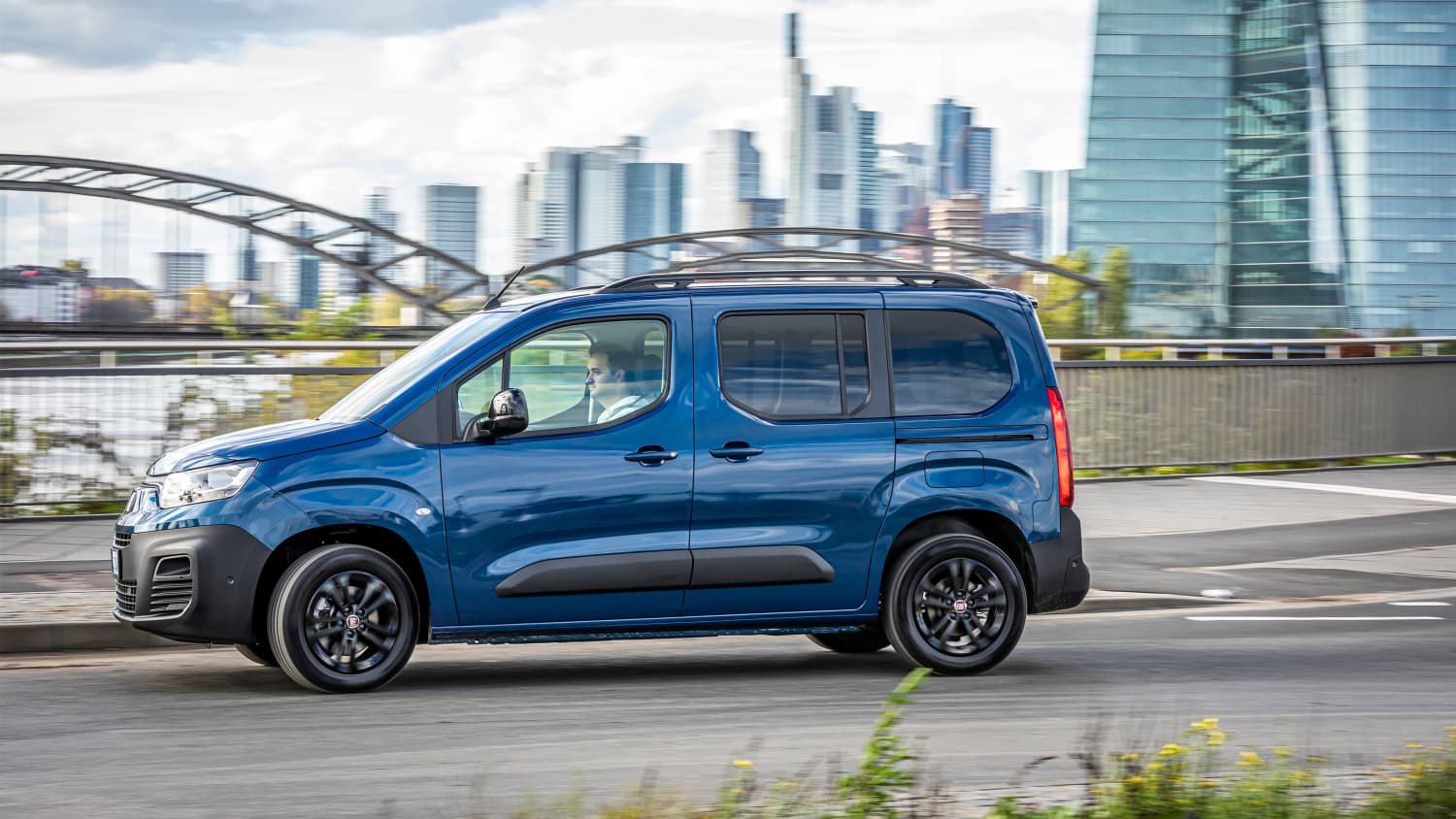
The Allgemeiner Deutscher Automobil-Club (ADAC), Europe’s largest mobility association, recently released an in-depth ranking of vehicles best suited to senior drivers based on strict ergonomic and usability benchmarks. The results are redefining how functionality, comfort, and safety are measured—and marketed.
Rather than being a niche consideration, senior-focused design is becoming a core principle for a growing class of vehicles. And far from being utilitarian compromises, the best cars for older drivers may actually represent the most universally accessible vehicles on the road.
Beyond Horsepower: The New Rules for Accessibility
ADAC’s ranking emphasizes practical, human-focused design—especially around comfort, entry and exit, visibility, and ease of control. Compact SUVs and high-roof vans dominated the list, offering elevated seating, wide doors, and simplified tech layouts.
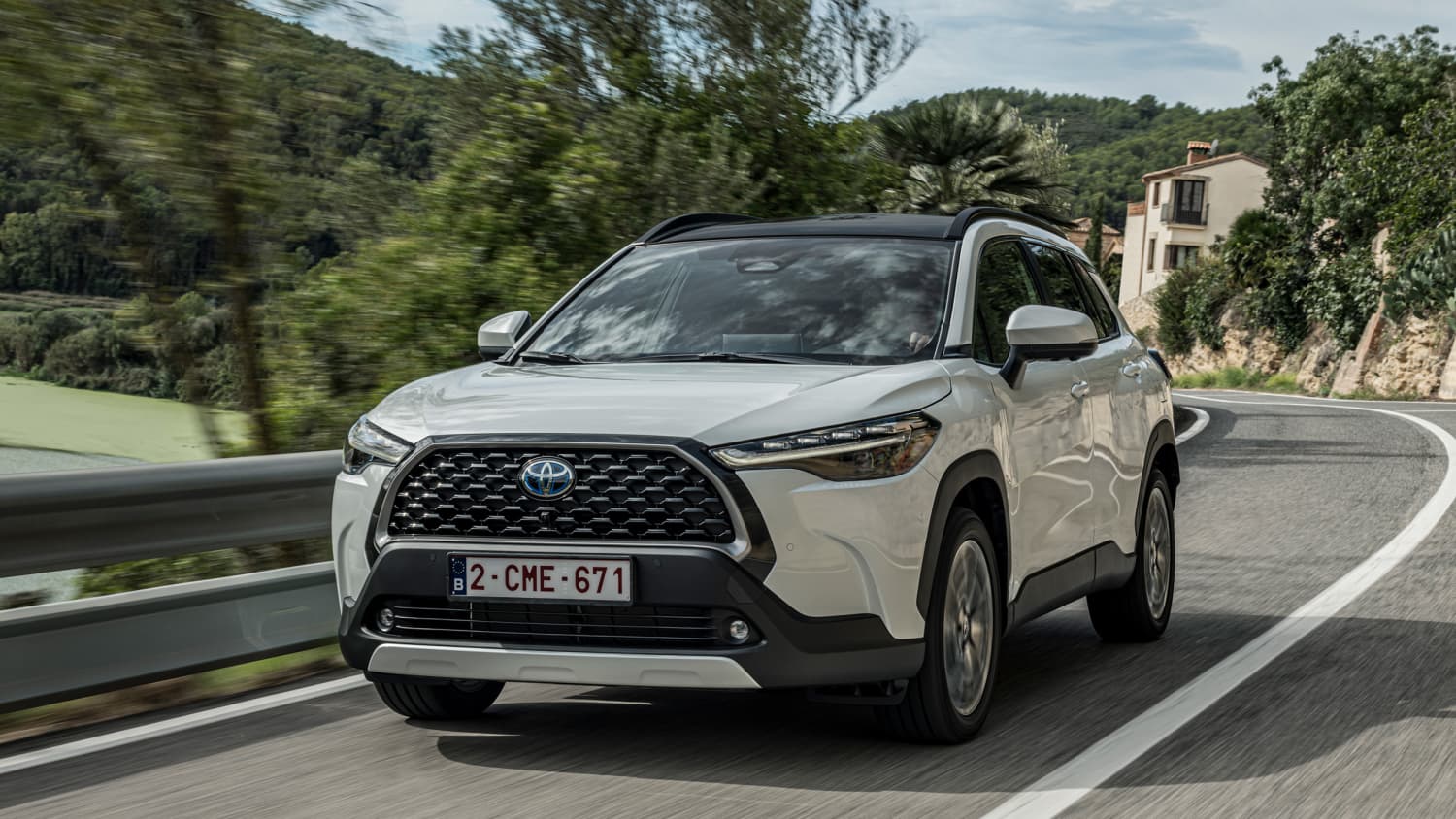
The criteria were strict. Vehicles had to meet limits for length (≤4.5m), minimum seat height (≥47cm), manageable loading sills, and clear dashboard interfaces. This shift moves design away from driver fantasy and toward real-world functionality.
Here’s a breakdown of 26 models that scored best in ADAC’s senior usability tests, showing their core physical measurements and interface performance:
| Model | Length (mm) | Seat Height (mm) | Load Edge Height (mm) | Control Usability | Visibility |
|---|---|---|---|---|---|
| Audi Q2 | 4208 | 485 | 745 | 2.1 | 4.0 |
| Audi Q3 | 4484 | 510 | 755 | 2.0 | 3.9 |
| BMW iX1 | 4500 | 525 | 720 | 2.3 | 3.1 |
| BMW X1 | 4500 | 535 | 715 | 2.3 | 3.1 |
| Citroën Berlingo | 4403 | 625 | 590 | 2.5 | 3.2 |
| Citroën C5 Aircross | 4500 | 550 | 735 | 2.5 | 3.7 |
| Fiat 500X | 4248 | 540 | 760 | 2.2 | 3.3 |
| Ford Puma | 4207 | 500 | 775 | 2.2 | 3.2 |
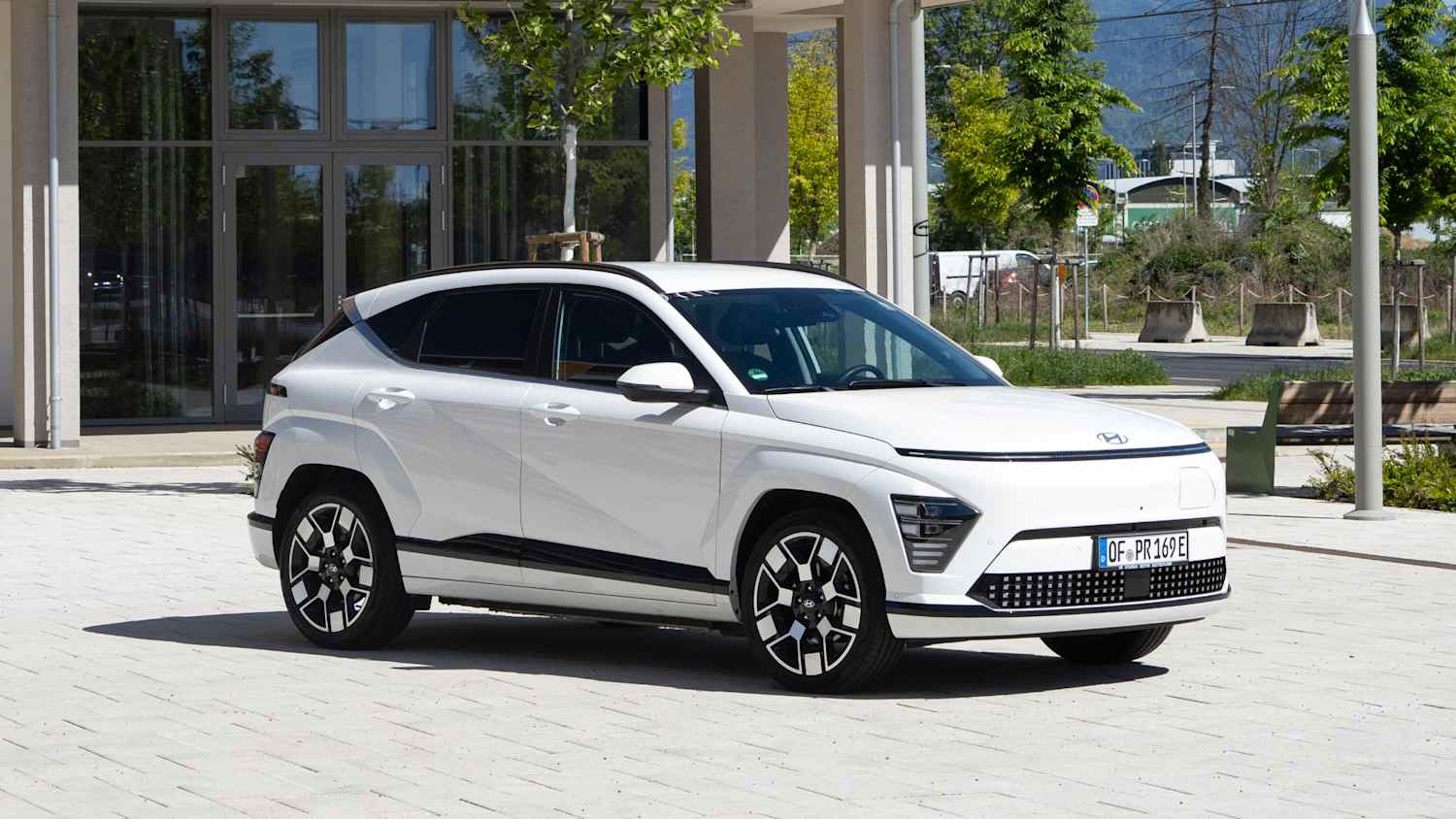
| Hyundai Kona Electric | 4355 | 530 | 685 | 2.1 | 4.0 |
| Kia Niro Hybrid | 4420 | 475 | 735 | 2.1 | 3.8 |
| Lexus LBX | 4190 | 510 | 780 | 2.5 | 3.9 |
| Mercedes B-Class | 4419 | 465 | 630 | 2.4 | 3.3 |
| Mercedes GLA | 4410 | 535 | 695 | 2.2 | 3.7 |
| Mitsubishi Eclipse Cross | 4405 | 585 | 760 | 2.5 | 4.0 |
| Nissan Juke | 4210 | 515 | 775 | 2.5 | 3.7 |
| Nissan Qashqai | 4425 | 545 | 770 | 2.3 | 3.2 |
| Opel Combo Electric Life | 4403 | 625 | 580 | 2.4 | 3.0 |
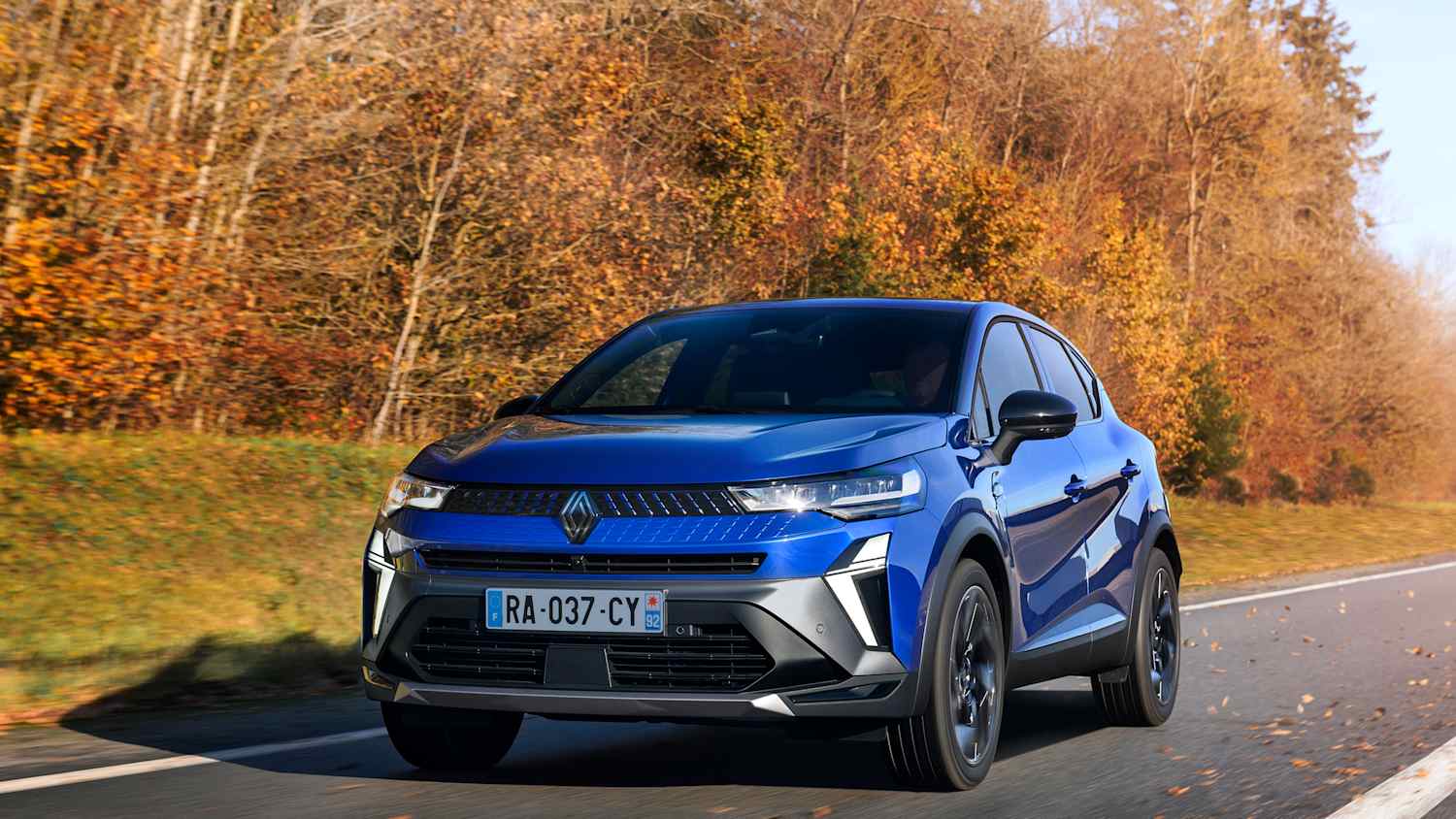
| Renault Captur | 4227 | 550 | 775 | 2.6 | 3.9 |
| Renault Scénic E-Tech Electric | 4470 | 510 | 770 | 2.5 | 3.5 |
| Seat Arona | 4138 | 470 | 695 | 2.1 | 3.3 |
| Seat Ateca | 4381 | 510 | 695 | 2.2 | 2.9 |
| Škoda Kamiq | 4241 | 465 | 695 | 2.2 | 3.8 |
| Škoda Karoq | 4390 | 515 | 680 | 2.2 | 3.2 |
| Toyota Corolla Cross | 4460 | 525 | 730 | 2.5 | 4.0 |
| Toyota Proace City Verso | 4403 | 615 | 575 | 2.5 | 3.0 |
| VW T-Cross | 4108 | 495 | 710 | 2.2 | 3.7 |
| VW T-Roc | 4236 | 485 | 765 | 2.6 | 3.7 |
| VW T-Roc Cabriolet | 4271 | 485 | 755 | 2.1 | 3.5 |
The rankings confirm what many older drivers already know: accessibility is a performance metric. Getting in and out of the vehicle, adjusting to controls, and maintaining a clear view of surroundings matters more than horsepower or 0–100 acceleration.
New Priorities, New Design Language
For many older drivers, the issue isn’t aging—it’s how design either empowers or limits their independence. The most successful vehicles, from the Renault Captur to the Toyota Proace City Verso, deliver on one essential promise: driving shouldn’t feel like a test of agility or tech fluency.
The challenge for automakers now is balance. Premium models like the BMW X1 or Lexus LBX excel in comfort and visibility, but climb quickly in price. Entry-level options like the Seat Arona, Škoda Kamiq, or VW T-Cross come closer to affordability while keeping key accessibility features intact.
EVs are making inroads, too. The Hyundai Kona Electric and Renault Scénic E-Tech Electric offer low cabin noise, smooth handling, and simplified drivetrains—but their heavier reliance on touchscreens and charging complexity may deter some.
ADAC’s benchmark signals a shift: “senior-friendly” is no longer code for basic. It’s becoming a synonym for intelligent, refined, and intuitive design.