The i3 name did not disappear when BMW ended production of the original hatchback in 2022. Instead, the designation continued in China, where it was used for a long-wheelbase electric version of the 3 Series sedan built specifically for that market.
Now the nameplate is set to return globally with a completely new vehicle. This upcoming i3 will not be the stretched Chinese sedan but a fresh model developed within BMW’s Neue Klasse architecture, the platform family designed for the company’s next generation of electric vehicles.
A New Electric Sedan Within the Neue Klasse Lineup
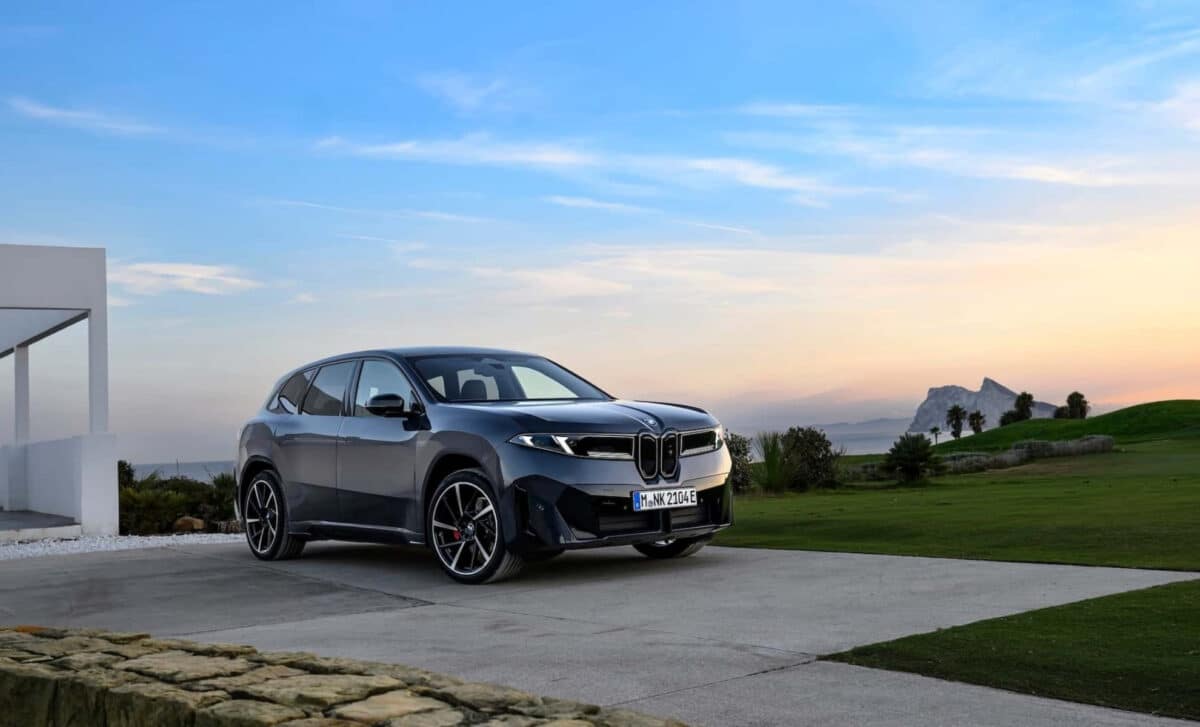
The new i3 sedan will follow the introduction of the iX3, the first production model based on the Neue Klasse platform. BMW revealed the crossover last year, and the i3 will become the second vehicle to use the architecture.
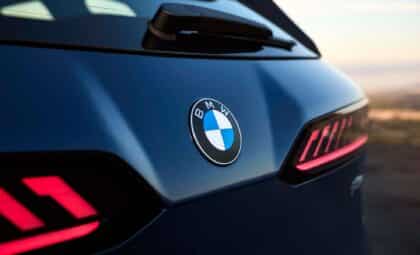
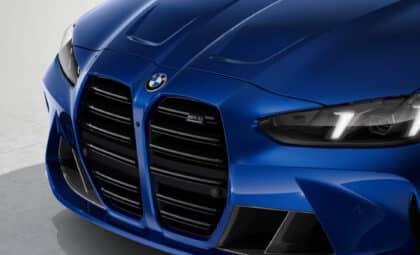
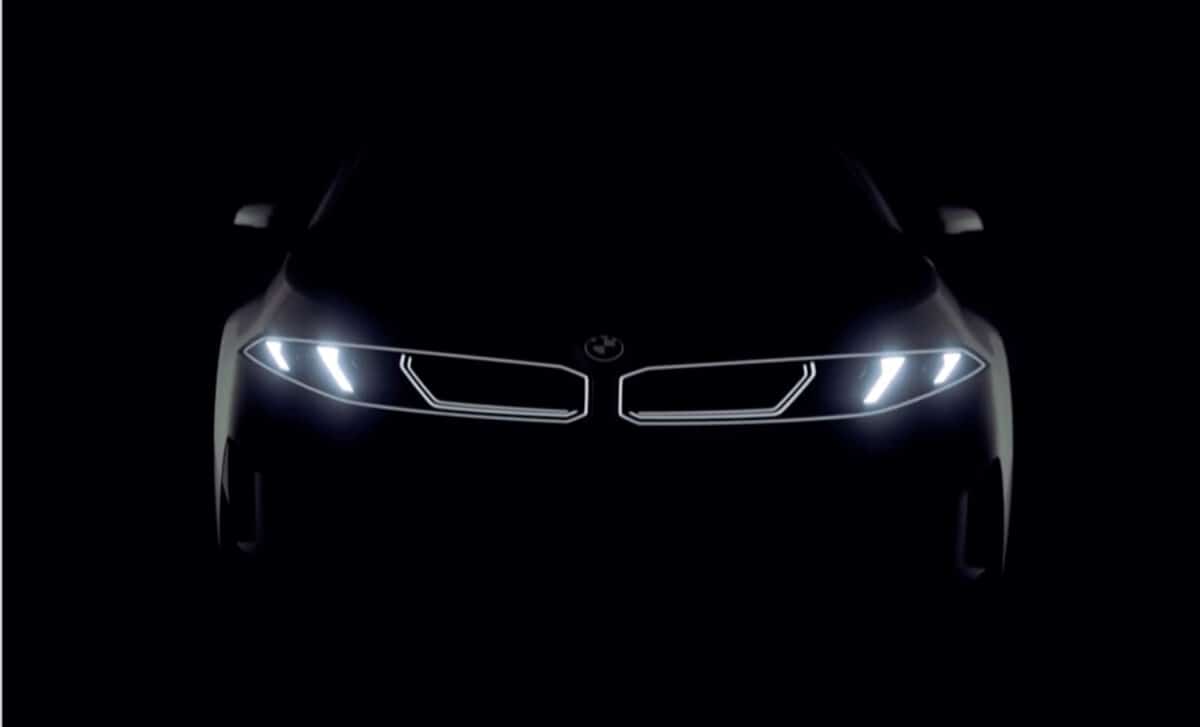
Ahead of its official unveiling, teaser images already show a front design that differs from the iX3. According to Motor1, the electric sedan abandons the crossover’s retro-inspired vertical grille and instead adopts wide kidney grilles that merge visually with the headlights. This styling direction closely resembles the look previously shown on the 2023 Vision Neue Klasse concept.
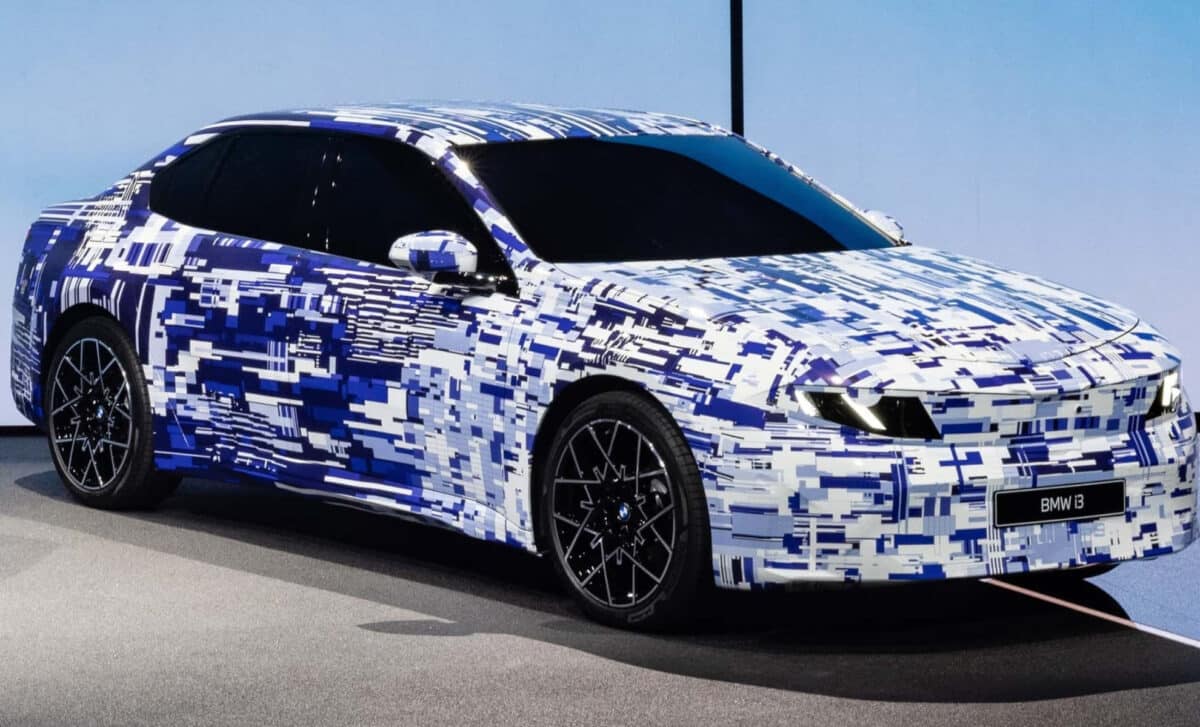
BMW positions the i3 as a central model in the brand’s renewed electric portfolio. The vehicle represents the first modern Neue Klasse sedan and introduces new design and technological elements intended for future models across the lineup.
Electric and Combustion 3 Series Will Coexist
The arrival of the electric i3 does not mean the end of the traditional 3 Series. BMW plans to introduce the eighth-generation combustion-engine version later in 2026, featuring gasoline and diesel engines as well as a plug-in hybrid variant.
The two sedans will appear visually similar inside and out, though their proportions will differ because the combustion model must accommodate engines under the hood. BMW has already confirmed that an inline-six engine will remain part of the future M3 lineup, while a leaked report referenced an upcoming M350 that may also use a 3.0-liter engine.
This parallel strategy mirrors moves by other German manufacturers. Mercedes-Benz is preparing an electric counterpart to the C-Class while updating the combustion version, and Audi is expected to launch an electric A4 alongside the gasoline-powered A5.
BMW has indicated that both electric and combustion versions of the 3 Series will remain in production well into the 2030s. The company appears to be maintaining both powertrains to reflect the uneven global adoption of electric vehicles.
A New Platform and Redesigned Digital Interior
Although the two versions of the 3 Series will share visual similarities, their engineering foundations will differ. The combustion-engine model will continue to use an updated version of BMW’s CLAR platform, while the electric i3 will rely on a dedicated electric architecture derived from the iX3.
Much of the crossover’s technical configuration is expected to carry over to the sedan. The i3 could also achieve greater driving range due to its more aerodynamic body shape.
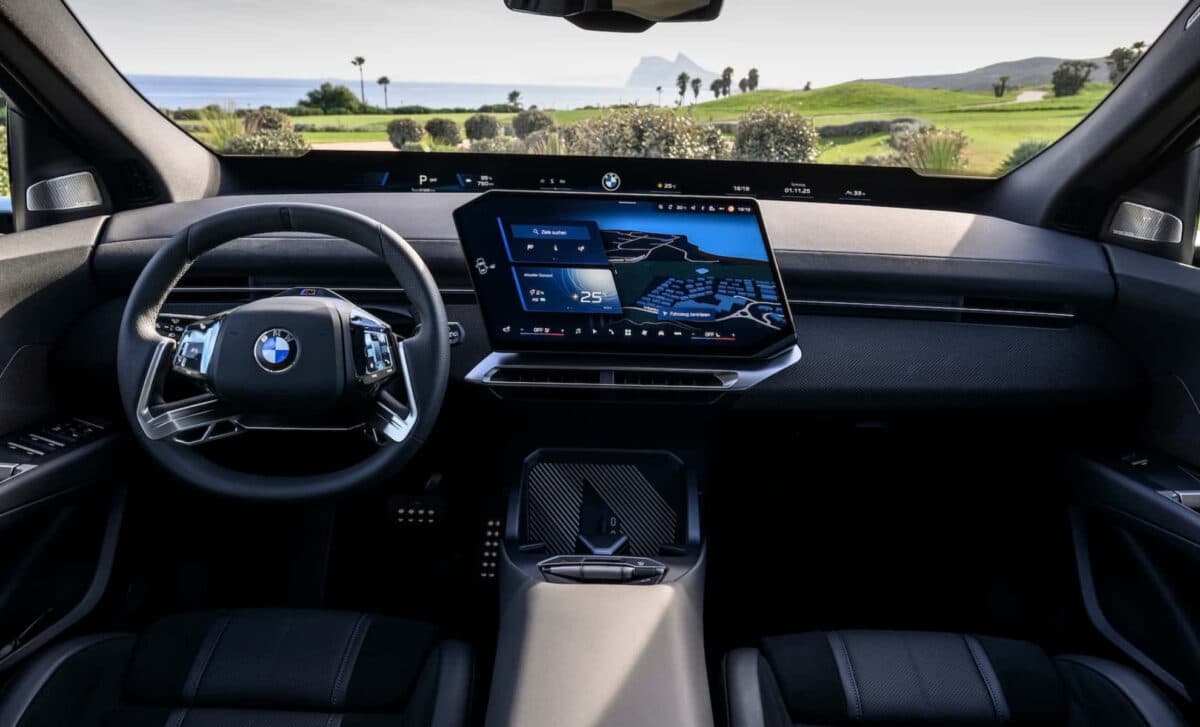
Inside the cabin, the sedan will introduce BMW’s latest interior concept with minimal physical buttons. The layout is expected to mirror the system seen in the iX3, including a central 17.9-inch touchscreen and a wide projection display that stretches across the dashboard from pillar to pillar.
BMW plans to extend this interface to other vehicles in the coming years. The company has already indicated that future updates, including the next generation of the X5 and a refreshed 7 Series scheduled for 2026, will adopt the same interior design approach.
Production of the new electric i3 is expected to begin in mid-2026, with European deliveries starting before the end of the year. The model will reach the United States market in 2027.