
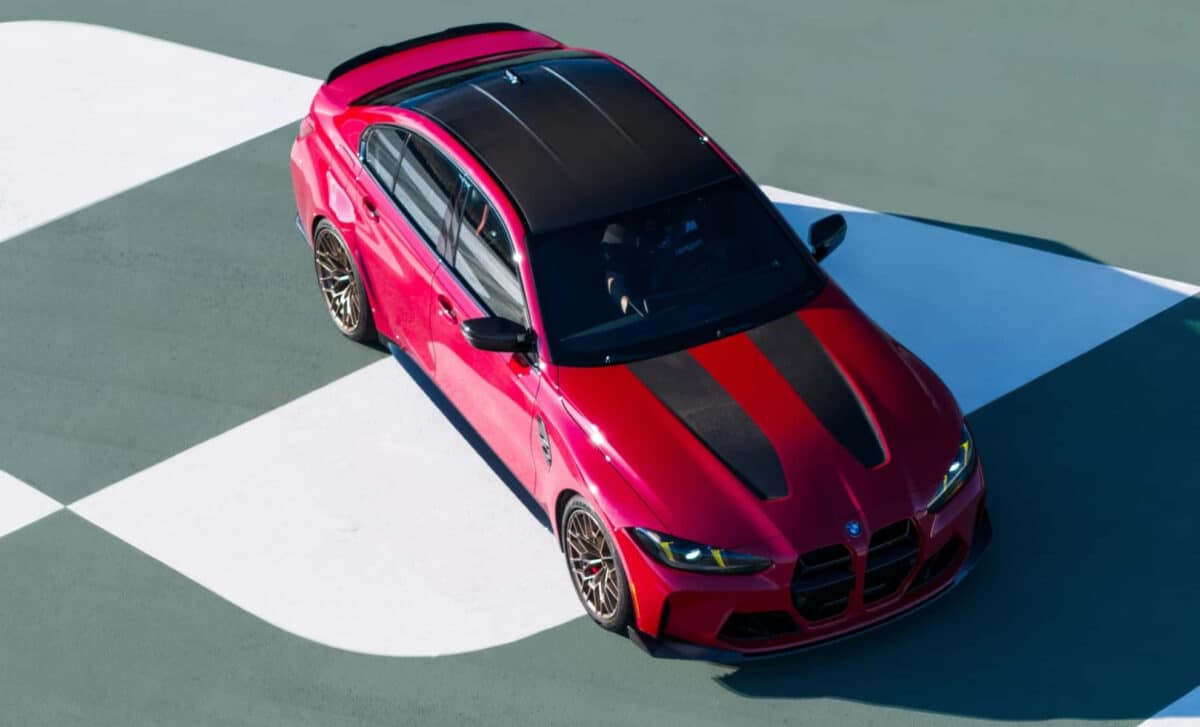
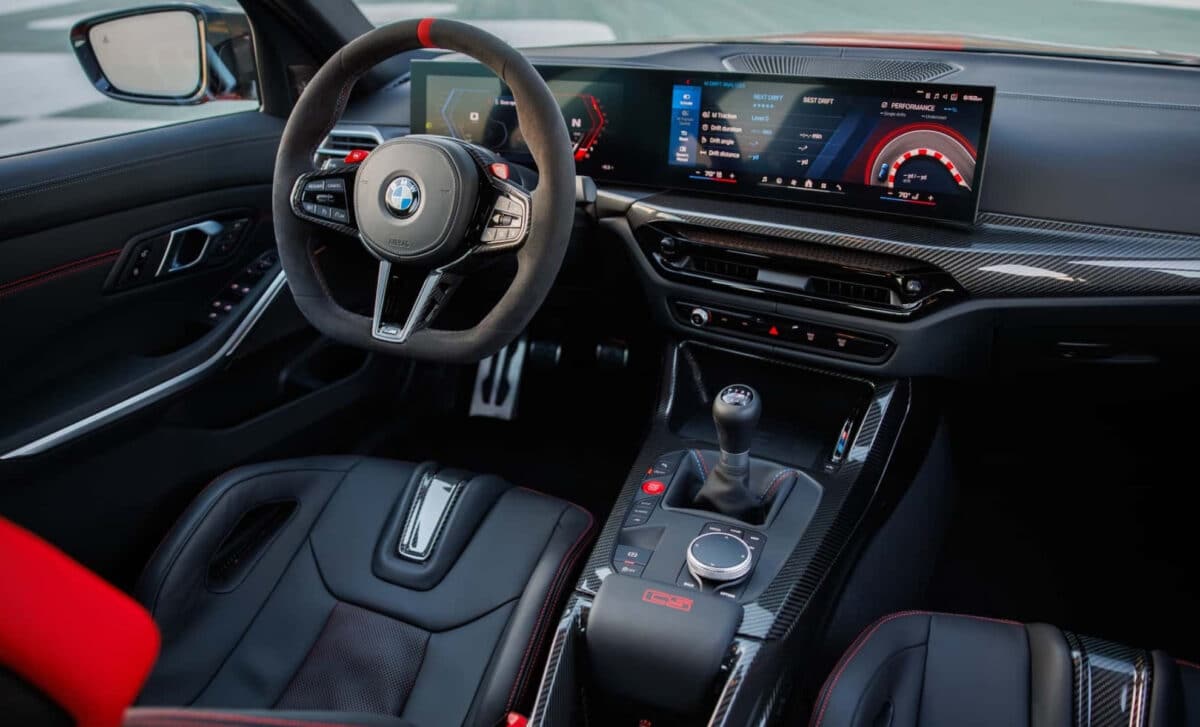
Unlike the previous M3 CS launched in 2023, which was based on the all-wheel-drive M3 Competition xDrive and paired exclusively with an automatic transmission, the new version adopts a rear-wheel-drive layout and a three-pedal setup. BMW is positioning the car as a lighter, more focused alternative aimed at enthusiasts.
BMW is preparing to phase out the current-generation 3 Series as the company moves toward the debut of the next combustion-powered model later this year. The automaker has already introduced the electric i3 counterpart and is now using the M3 CS Handschalter as a final special edition before the “G80” exits production.
A Manual-Only M3 CS Built on the Rear-Wheel-Drive Model
BMW’s latest M3 CS differs significantly from the earlier Competition Sport variant released in early 2023. The new version is based on the entry-level rear-wheel-drive M3 rather than the M3 Competition xDrive.
As a result, the twin-turbocharged 3.0-liter inline-six produces 473 horsepower and 406 pound-feet of torque. The previous M3 CS delivered 543 horsepower and 479 pound-feet thanks to its all-wheel-drive configuration.
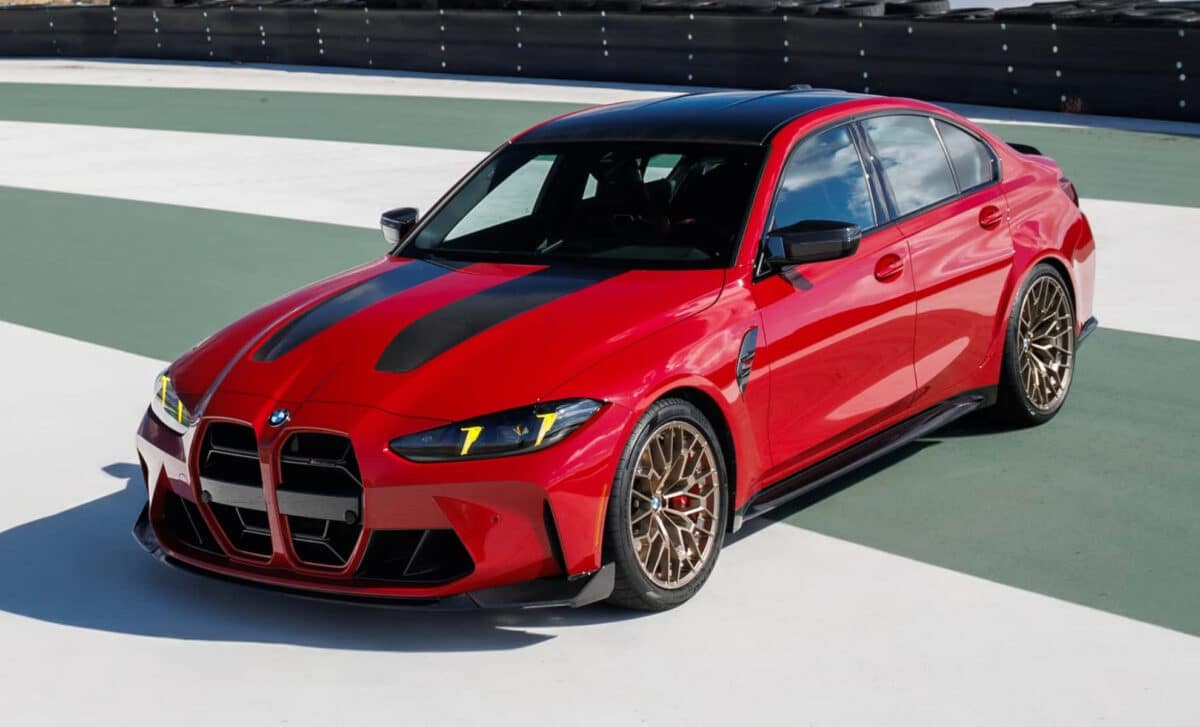
The new model carries the “Handschalter” designation, which translates from German as “hand shift.” BMW previously used the same naming approach for the Z4 M40i Handschalter.
According to Motor1, BMW claims the manual-equipped M3 CS accelerates from 0 to 60 mph in 4.1 seconds and reaches a top speed of 180 mph with the standard M Driver’s Package installed. The publication noted that this performance figure matches the standard M3 rather than improving on it.
Weight Reduction and Chassis Upgrades Define the Package
BMW focused heavily on reducing weight for the final M3 CS. The automaker says the car sheds nearly 75 pounds compared with the standard M3 through expanded use of carbon-fiber-reinforced plastic, forged wheels, carbon bucket seats, and a titanium muffler.
These standard lightweight components account for roughly 42 pounds of savings. Buyers who select the optional carbon-ceramic brakes remove an additional 31.5 pounds.
An official curb weight figure has not been published, though, calculations place the car at approximately 3,765 pounds. Even with the reduction, the new model remains substantially heavier than the previous-generation “F80” M3 CS introduced in 2018, which weighed about 270 pounds less and featured a seven-speed dual-clutch automatic transmission instead of a manual gearbox.
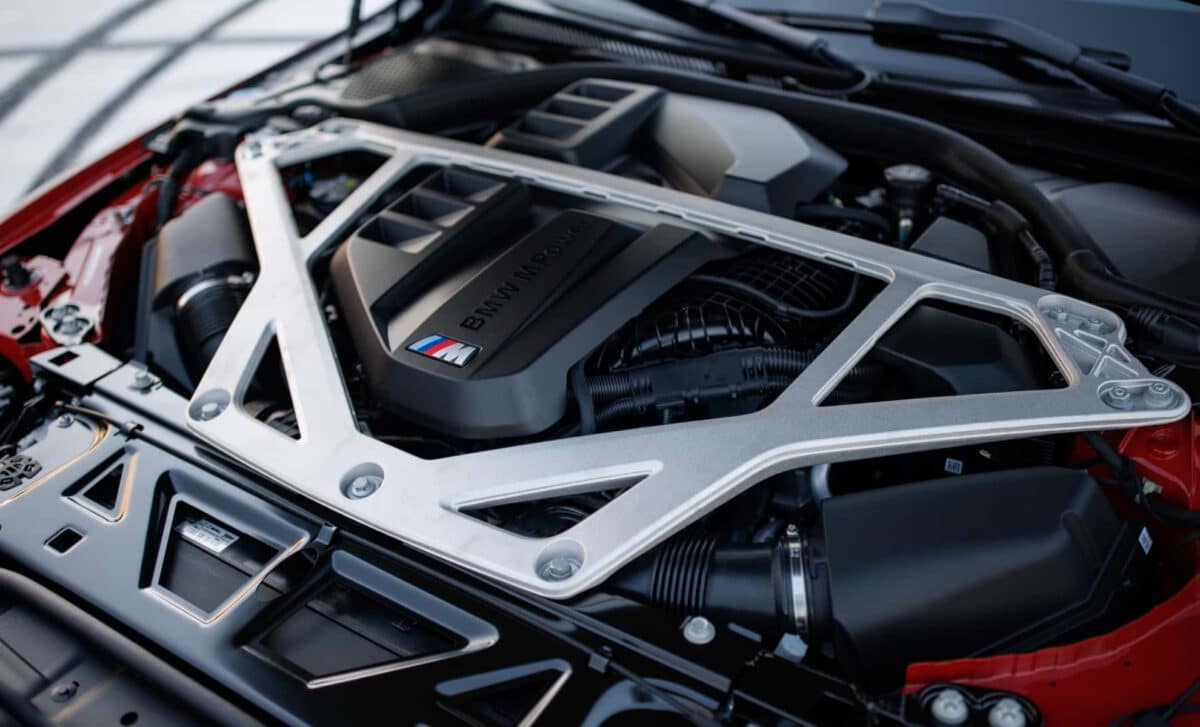
The chassis also receives several upgrades borrowed from the M4 CSL. BMW fitted revised shock absorbers, new springs, and an updated rear axle link. The suspension changes lower the vehicle by approximately six millimeters compared with the standard M3. For buyers seeking sharper handling, BMW offers an optional M-specific front strut brace priced at $1,100.
Limited Production Planned for the United States and Canada
BMW will offer the 2027 M3 CS exclusively in the United States and Canada, with production beginning in July and first customer deliveries expected this fall.
Pricing starts at $108,450 including destination and handling charges, representing nearly a $28,000 increase over the standard M3. The company also confirmed two optional BMW Individual paint finishes priced at $4,500 each: Techno Violet and Imola Red. Black Sapphire and Isle of Man Green remain available as standard exterior colors.
BMW has already confirmed that two future M3 models are in development. An all-electric variant is expected to launch next year, while another inline-six-powered version is planned for later in the decade.