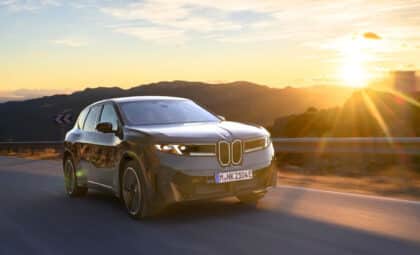

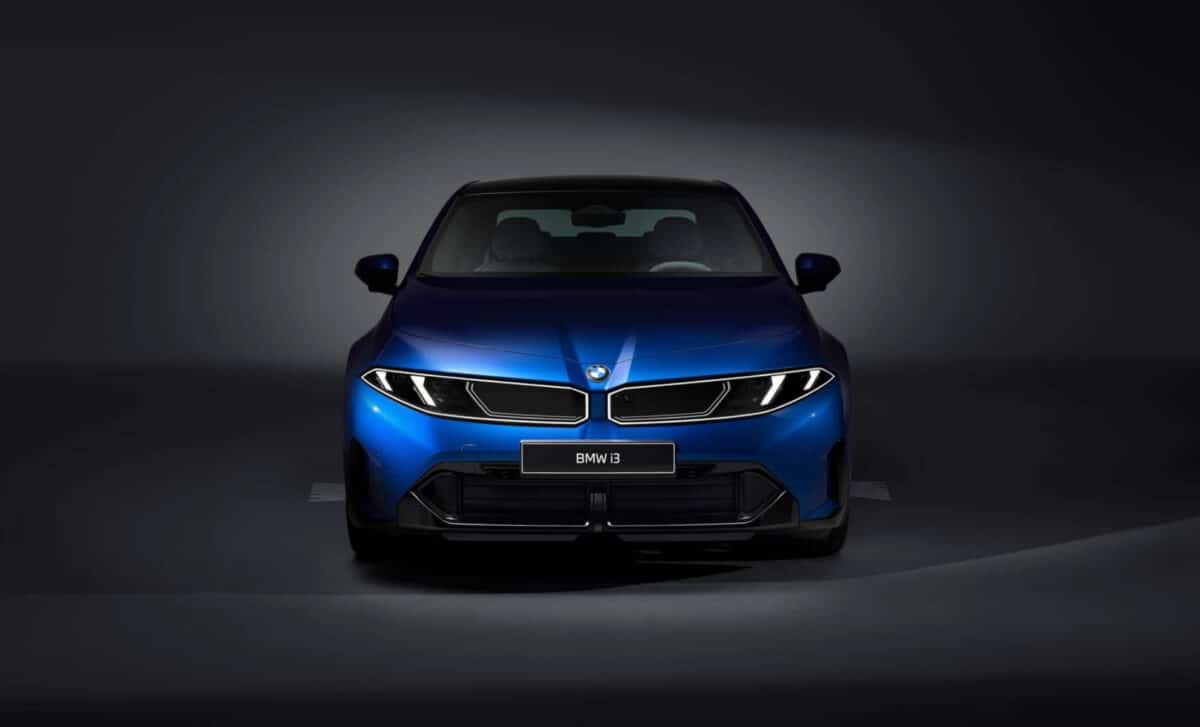
The question is notable because BMW once stood at the forefront of this approach with the i3 REx, a model that combined electric driving with a small combustion generator. Today, the broader market context has changed, shaped by longer battery ranges and expanding charging networks.
At the same time, other manufacturers are revisiting range extenders, creating a contrast that highlights BMW’s more cautious stance. According to statements shared with BMW Blog, internal discussions continue, but no final decision has been made.
A Cautious Stance Despite Technical Readiness
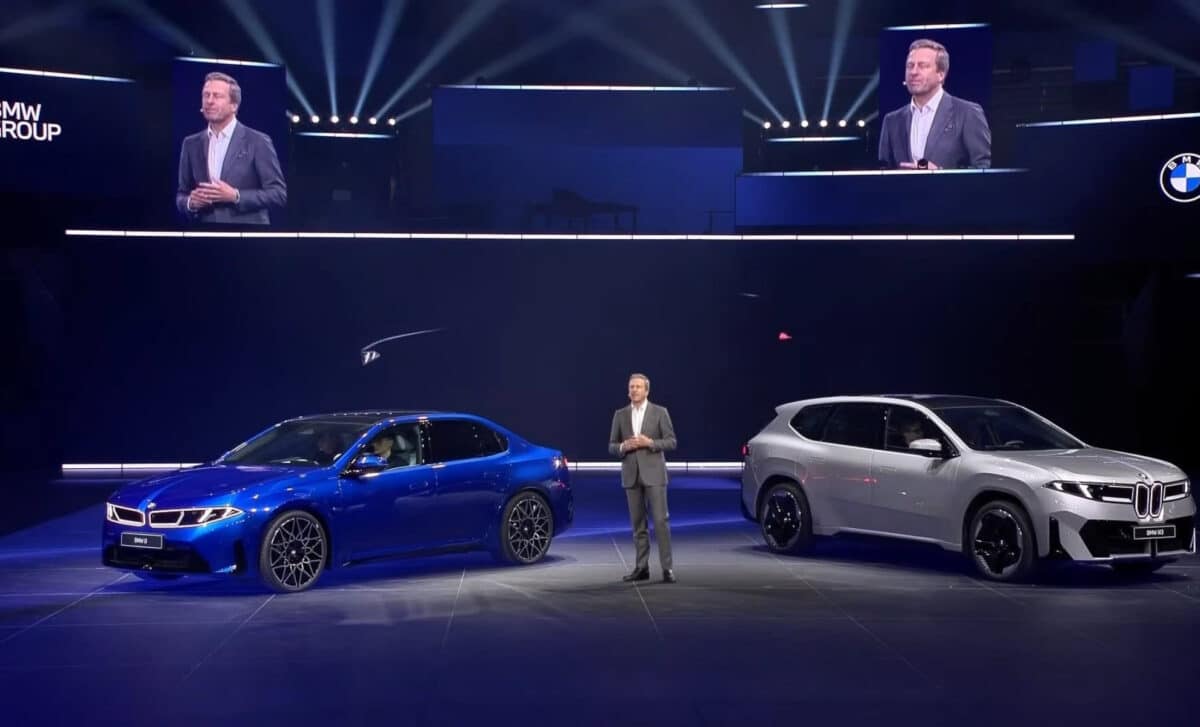
BMW does not rule out returning to range extenders, though it has not identified a clear justification yet. Bernd Körber, the company’s product boss, explained that the brand remains “technology open,” meaning it evaluates multiple solutions without committing prematurely.
“In theory, we are capable of REx if we want to do so,” he said in comments reported by BMW Blog. He added that no decision has been taken, and the conditions under which such systems would be necessary remain uncertain.
Körber noted that if BMW’s fully electric models were to miss sales expectations, range extenders could become a consideration. From a technical standpoint, he described the process as relatively straightforward, stating that “it’s easy to derive an REx from an EV.”
From Early Pioneer to Changing Market Realities
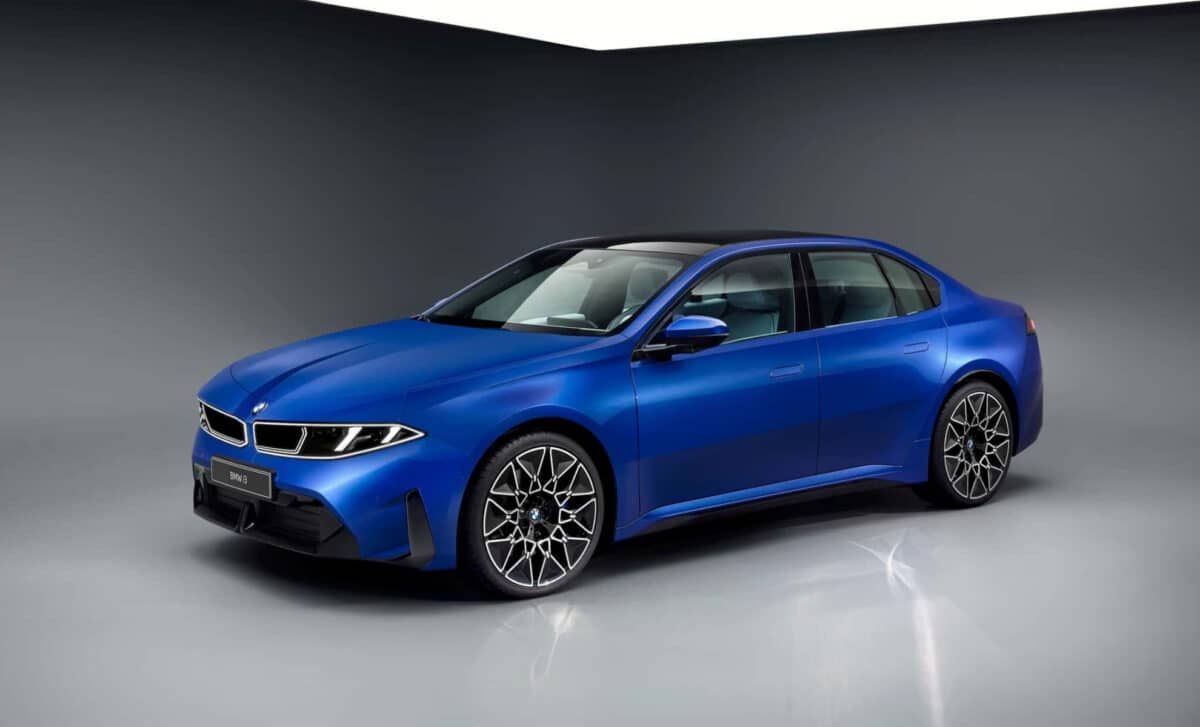
BMW’s hesitation stands in contrast with its earlier leadership in this field. The i3 REx, introduced in 2014, addressed limitations that were common at the time, including sparse charging infrastructure and small battery capacities.
The i3 offered around 80 miles of real-world electric range, with an additional 90 miles provided by a small motorbike-derived engine acting as a generator. That combination made practical sense in a market where charging options were limited.
The company later discontinued the REx variant in 2018 after increasing the battery size to 42.2 kWh, raising the WLTP range to 193 miles. This shift reflected broader improvements in EV technology, which have reduced the need for auxiliary power sources.
Industry Revival Contrasts with BMW’s Wait-and-See Approach
While BMW evaluates its position, several automakers are moving ahead with range-extended solutions. According to InsideEVs, brands such as Scout, Ram, Jeep, and Hyundai are preparing to launch vehicles using this concept, signaling renewed interest in the technology.
There have also been indications of possible regional strategies. Bloomberg reported in November that BMW was considering range extender versions of the X5 and 7 Series for China, though the company neither confirmed nor denied the report.
BMW has stated it is “continuously analyzing usage patterns, customer needs and market developments,” suggesting that any decision will depend on how demand evolves. Körber emphasized that any future system would need to align with the brand’s driving characteristics, noting that drivetrain tuning would be a key requirement before putting a BMW badge on such a vehicle.
For now, the company appears content to observe rather than act, even as the rest of the industry experiments with a concept it once helped bring to market.