
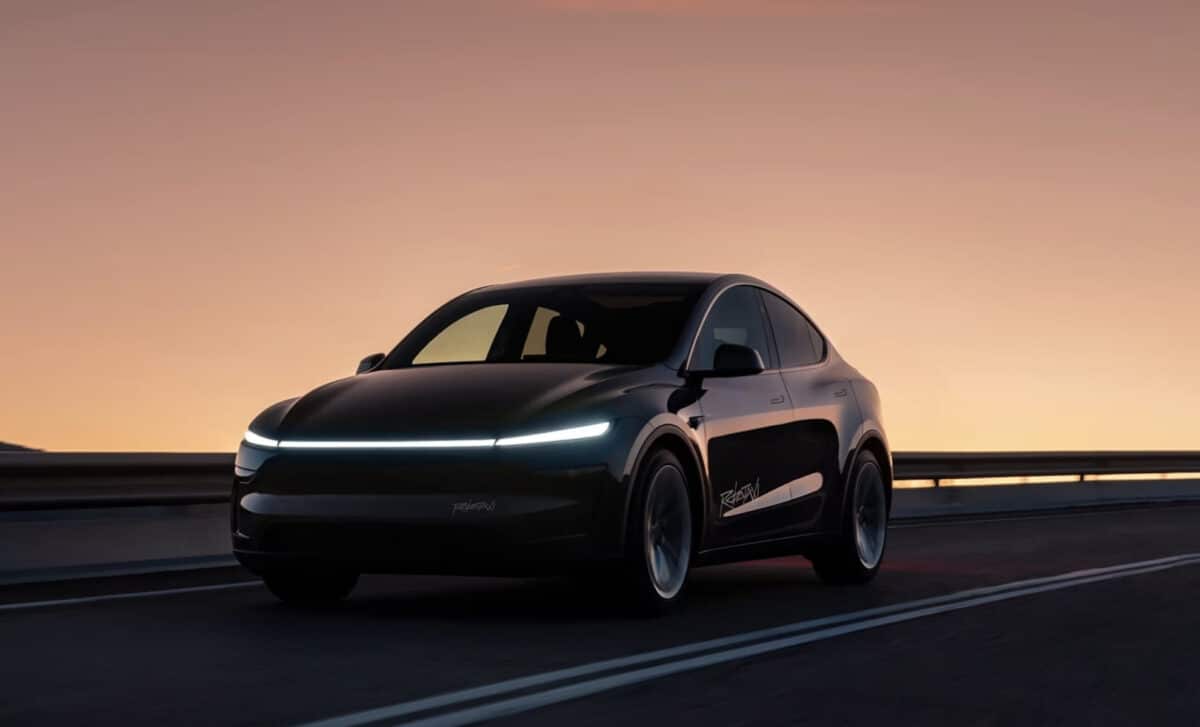
While not a novel concept in the ride-hailing industry, this move brings a practical, and arguably overdue, feature to a service that Tesla has long marketed as autonomous and seamless. The introduction of cleanup fees reflects the continuing challenges of managing shared vehicles, even in a driverless future.
Despite Tesla’s long-term vision of Robotaxis capable of fully independent operation, the reality remains more grounded. The vehicles, still largely semi-automated, require regular human intervention for basic maintenance tasks such as cleaning and charging. The fee system signals an acknowledgment of these operational gaps, even as Tesla continues to promote a self-maintaining fleet.
Two-tiered Fee System For Ride-related Messes
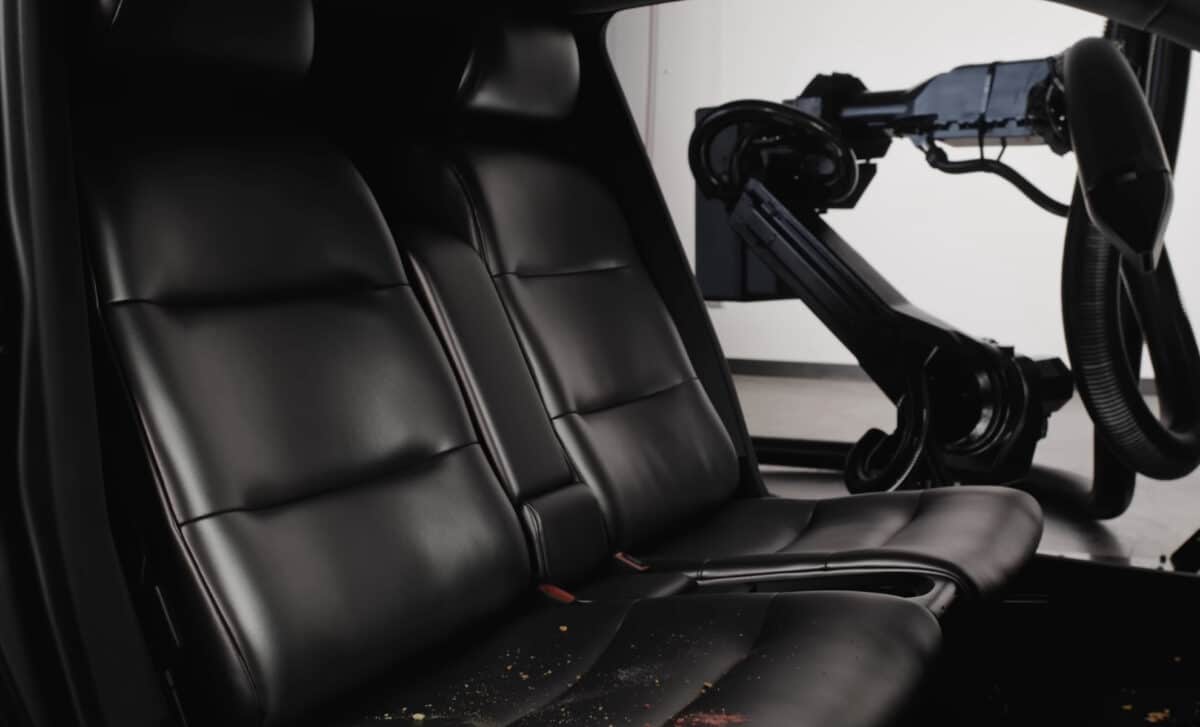
Tesla’s cleaning fee structure introduces a light and a severe tier. Riders who create minor messes, such as tracking in dirt or spilling fries, can expect a $50 charge. More serious issues, like vomiting or smoking inside the vehicle, fall under the premium tier, which comes with a $150 penalty.
The tier classification depends on the required effort to restore the vehicle’s interior. The company hasn’t detailed who makes that assessment or how disputes will be handled, but the policy suggests Tesla is taking a more active approach to maintaining the cleanliness of its fleet, even in the absence of a human driver.
The introduction of these fees also highlights the difficulty of balancing rider freedom with fleet upkeep. With no in-car personnel to manage situations on the spot, Tesla appears to be automating not just the driving but also the enforcement of behavioral standards.
Contradiction With Self-maintenance Promises
Tesla has long claimed that its Robotaxi fleet would be able to manage itself entirely, including tasks like cleaning and recharging. However, the vehicles currently lack the capability to enter automated cleaning bays or perform interior maintenance on their own. Human staff are still necessary to prepare cars for the next rider, undermining the brand’s promise of a frictionless, self-sufficient experience.
This isn’t a minor detail. Fleet management remains one of the biggest operational hurdles in the ride-hailing industry. Tesla’s ability to scale its Robotaxi program relies not just on driving technology but on how efficiently it can turn over vehicles between rides. The introduction of cleaning fees may help offset these manual maintenance costs in the short term, but it also exposes the unfinished nature of Tesla’s autonomous ecosystem.
This gap between vision and execution is typical of Tesla’s rollout strategy, announcing advanced features early, then refining them over time. For now, though, the Robotaxi experience remains tied to very human needs and responses.
Maintaining Trust In A Driverless Service
For passengers, the presence of cleaning fees may be a small inconvenience, but for Tesla, it’s a strategic move to protect the overall quality and reputation of its Robotaxi service. Keeping shared vehicles clean is essential to user trust, especially when there’s no driver present to respond to complaints or report damages.
The absence of a human operator places the burden on Tesla to monitor vehicle interiors through sensors or cameras, identify the source of any mess, and apply charges accordingly. Though not yet detailed, this backend process will be key to the policy’s effectiveness.