
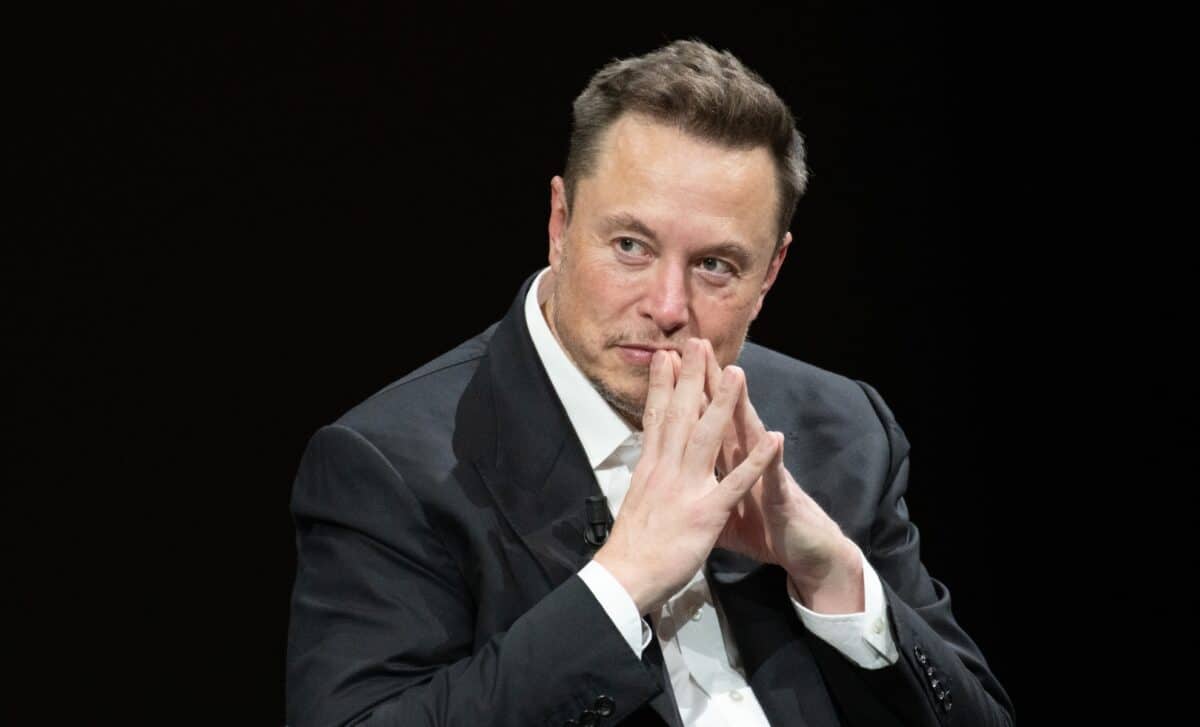
Musk’s statement, posted on X (formerly Twitter), came in response to a discussion about Waymo’s recently released safety data. Despite Musk’s bold comments, Waymo continues to outpace Tesla in terms of fully driverless services, operating commercial autonomous vehicles in multiple cities.
The competition between Tesla and Waymo has been a focal point in the autonomous vehicle industry, as both companies take differing approaches to self-driving technology. While Waymo has focused on creating a fully driverless experience, Tesla still relies on human supervisors in its robotaxi fleet, despite Musk’s repeated promises of a fully autonomous service. Musk’s claim about Waymo’s lack of competition from Tesla came amidst an exchange where Jeff Dean, Chief Scientist at Google DeepMind, pointed out the massive gap in autonomous miles between the two companies.
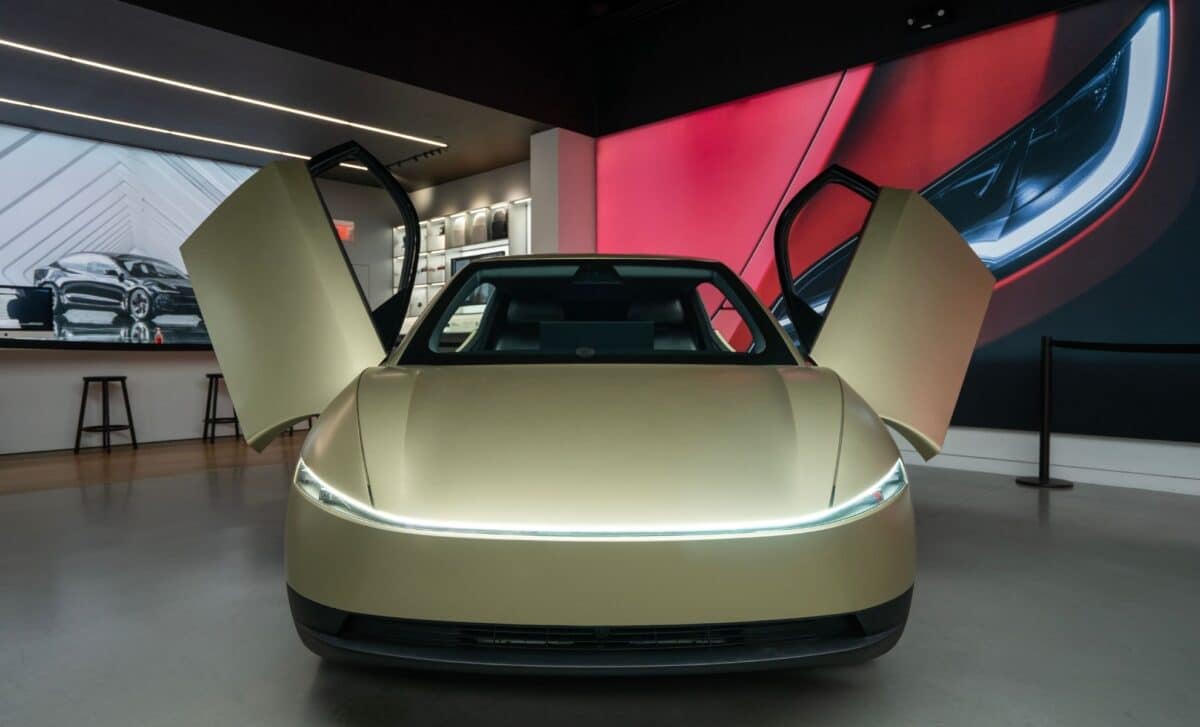
Waymo’s Safety Data vs Tesla’s Claims
The exchange began when Dean highlighted Waymo’s milestone of 100 million rider-only miles, far surpassing Tesla’s performance in autonomous driving. Musk’s response was to assert that Waymo “never really had a chance” against Tesla, an assertion that stands in stark contrast to Waymo’s growing fleet of driverless vehicles.
Tesla, on the other hand, still operates its autonomous vehicles with safety drivers. Musk’s statement seemed to ignore the fact that Tesla has not yet deployed a single fully autonomous vehicle without human oversight, while Waymo has been providing fully driverless services in cities like San Francisco, Phoenix, and Austin.
Waymo’s safety data, which was recently made public, has shown significant improvements in avoiding accidents. The data indicates that Waymo’s vehicles avoid serious injury-causing crashes at a rate 91% better than human drivers. This level of performance highlights the advancements Waymo has made in autonomous technology, making Tesla’s reliance on human supervision even more apparent.
Tesla, by contrast, has yet to share detailed safety data comparable to Waymo‘s, with the company’s safety reports often criticized for lacking crucial context. Tesla’s reports, for instance, rely on airbag deployments as a proxy for accidents, which many experts argue provides a limited view of the vehicle’s true safety performance.
Tesla’s Struggles with Full Autonomy
Musk has long promised that Tesla would lead the charge in autonomous driving, even setting an ambitious goal of launching a fleet of 1 million robotaxis by the end of 2020. However, that deadline has passed, and Tesla has yet to deploy a single fully driverless vehicle.
Instead, Tesla’s robotaxi fleet still requires safety drivers to monitor the vehicles during their rides, despite Musk’s insistence that a fully autonomous service is just around the corner. In fact, Musk has claimed that Tesla could remove safety drivers from its fleet within three weeks, but this statement raises doubts given Tesla’s lack of progress in achieving fully autonomous driving.
Waymo’s success in deploying fully autonomous vehicles is largely due to its rigorous testing and safety measures. Waymo’s operations are also backed by detailed safety reports, which provide concrete data on the vehicle’s performance in real-world scenarios.
These reports show that Waymo’s autonomous vehicles are not only safer than human-driven cars but also more efficient in avoiding accidents. In comparison, Tesla’s safety reports have been widely criticized for their reliance on limited metrics and lack of transparency, leaving many questions about the true performance of its autonomous systems.
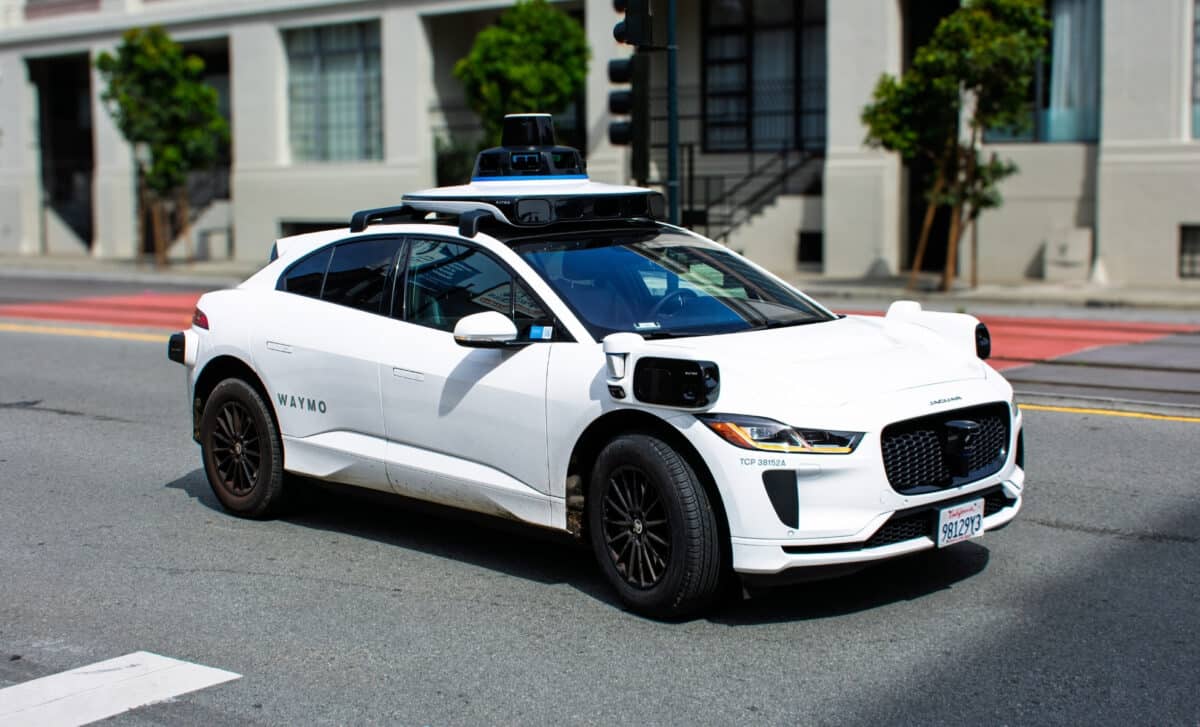
The Disconnect Between Musk’s Vision and Reality
Musk’s claim that Waymo “never had a chance” against Tesla is perplexing, given the significant progress Waymo has made in autonomous driving. While Tesla continues to struggle with fully autonomous technology, Waymo has already achieved operational success with its driverless vehicles. Musk’s comment suggests that he believes Tesla’s cheaper system will allow the company to scale more quickly once unsupervised self-driving is achieved. However, there is little evidence to support this assertion, and Tesla’s track record in autonomous driving remains far behind Waymo’s.
As the autonomous vehicle race continues, it is clear that Tesla is facing an uphill battle. While Tesla’s cheaper approach may allow it to scale faster in the future, Waymo’s significant lead in both autonomous miles and safety data makes it the current leader in the field. Musk’s dismissive comments about Waymo’s capabilities may serve as a reflection of his confidence in Tesla’s eventual success, but the reality on the ground suggests that Tesla has a long way to go before it can catch up to Waymo’s achievements.