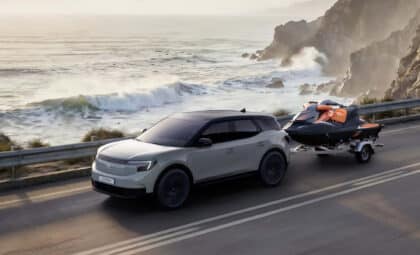
The new Fiesta, set to launch in 2028, will be based on Renault’s Amper platform, a move that signals Ford’s return to the European small car market. The collaboration, announced on December 9, 2025, will see the Fiesta EV, along with another small electric vehicle, built at Renault’s ElectriCity complex in Douai, France. This alliance marks a crucial moment for Ford as it looks to regain its position in a rapidly evolving European automotive landscape.
After axing the Fiesta in 2023, Ford’s presence in the small car segment had diminished. Now, by joining forces with Renault, Ford hopes to tap into the French carmaker’s advanced electric vehicle technology while maintaining its own brand identity and driving experience. The collaboration promises to deliver distinct Ford-branded cars, designed in-house, while benefiting from Renault’s expertise in electric architecture.
The Return of the Fiesta EV
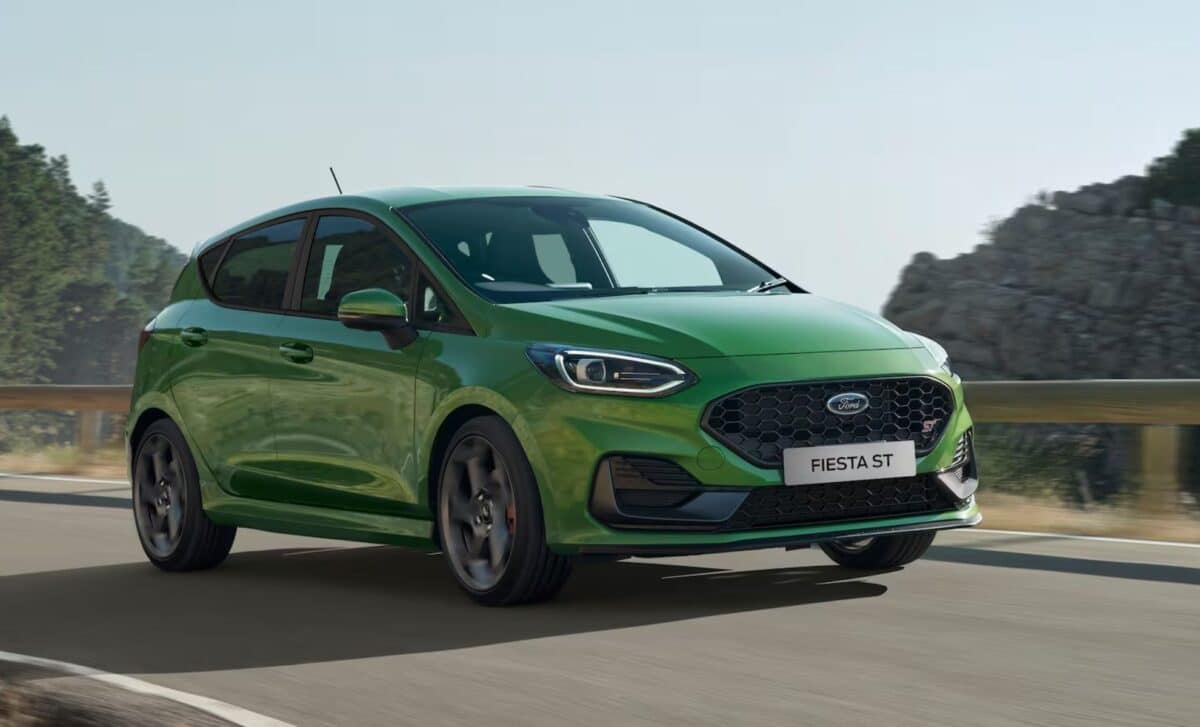
Ford’s Fiesta, a model that has been part of the automotive scene for nearly five decades, was discontinued in 2023. Now, it will return in the form of an electric vehicle. Built alongside the Renault 5 at Renault’s ElectriCity complex in Douai, France, the Fiesta EV will share the Amper platform with the Renault 5 and other small Renault models, like the Renault 4.
While the underlying architecture will be the same, Ford has promised that the Fiesta EV will have a unique Ford design, with bespoke interiors and a tuned chassis aimed at delivering the driving dynamics that have made the Fiesta so beloved.
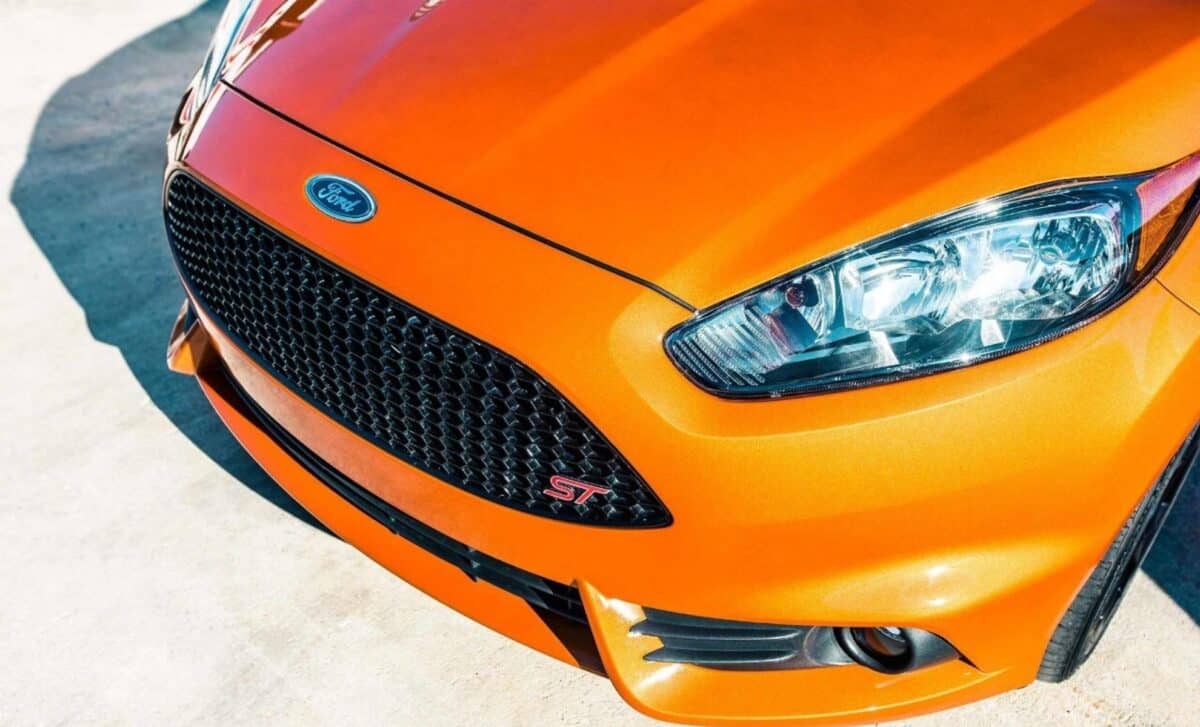
The new Fiesta EV will feature two battery options—40 kWh and 52 kWh—which should provide a driving range of up to 252 miles on a full charge. The powertrains are expected to include a 121 hp version for standard models and a more powerful 215 hp motor for the Fiesta ST, which will likely return as a performance variant. These specifications reflect Ford’s commitment to performance and sporty driving, even in the electric era.
The Strategic Importance of the Ford-Renault Partnership
The partnership with Renault is a pivotal moment for Ford in Europe. With its market share shrinking, particularly in the small car segment, this collaboration is seen as a way for Ford to reassert itself.
The deal will provide Ford with access to Renault’s large-scale production facilities and its established electric vehicle technology, something Ford has lacked in recent years. The Fiesta EV will be positioned as an affordable electric car, with a price tag around €25,000, which could help Ford tap into a rapidly growing market of budget-conscious consumers looking for affordable electric vehicles.
Ford’s market share in Europe has significantly declined, especially with the end of production for models like the Focus and the Fiesta. The return of a small electric car, alongside the introduction of a second EV, will be essential in Ford’s effort to reconnect with European buyers and regain market relevance. The partnership with Renault provides Ford with not only a competitive electric vehicle platform but also a fast track to bring the new models to market, expected in early 2028.
Expanding Beyond Small Cars
The collaboration between Ford and Renault is not limited to passenger cars. The two companies have also signed a letter of intent to explore the development of light commercial vehicles. While details on this aspect of the partnership remain vague, it shows that both companies are looking to leverage their strengths to expand their reach in different market segments.
Ford, known for its dominance in the light commercial vehicle (LCV) market, could benefit significantly from Renault’s resources and infrastructure in producing small EVs and other electric-powered commercial vehicles.