

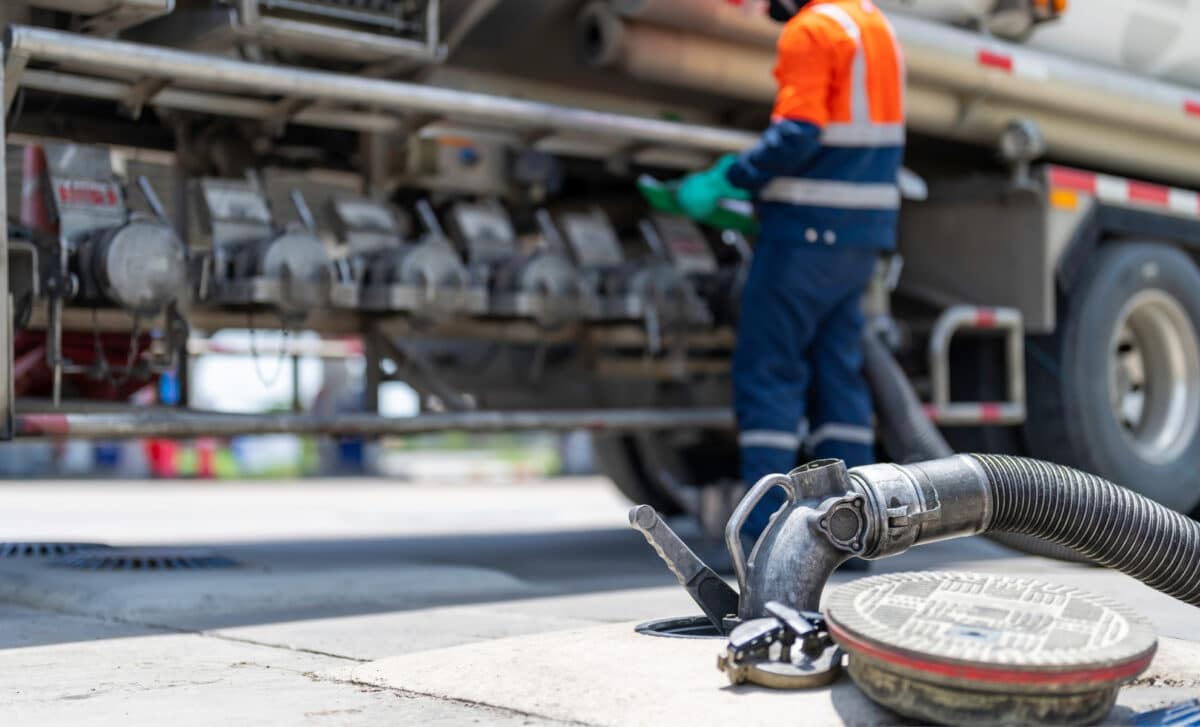
The issue originated from a supplier error at the HF Sinclair terminal in Adams County, where diesel was mistakenly delivered to several stations in the Denver area. The contaminated fuel was pumped into gasoline storage tanks, affecting customers and forcing stations to shut down pumps and begin decontamination.
The Colorado Division of Oil and Public Safety received the first complaints early on the morning of Thursday, January 8. Within an hour, inspectors identified the first affected gas station and launched an investigation to trace the extent of the problem. According to 9News, shipments were delivered between 2:00 p.m. on Wednesday, January 7, and 6:00 a.m. the following morning to locations operated by Costco, King Soopers, and Murphy Express.
The error quickly escalated into a multi-site fuel contamination event, leading to widespread vehicle damage and growing concerns among affected drivers.
Contamination Originated at HF Sinclair Terminal
According to the Colorado Sun, the root of the problem was a delivery from the HF Sinclair fuel terminal that “didn’t meet specifications”, a phrase used by the company to acknowledge the diesel mix-up. The diesel was pumped directly into underground storage tanks meant for regular-grade gasoline, mixing with any fuel already inside and contaminating the entire supply.
Stations involved were unaware of the problem at the time of delivery. Once reports of breakdowns began, the Colorado Division of Oil and Public Safety stepped in to contain the issue. While the Division did not publicly release the complete list of affected stations, 9News identified thirteen King Soopers, three Costco, and one Murphy Express locations. Pumping of the bad fuel stopped as soon as the stations were made aware of the situation.
Severe Engine Damage and Costly Repairs for Drivers
The impact on vehicles was immediate. Diesel fuel is significantly thicker than gasoline and begins to clog fuel pumps, lines, and injectors almost as soon as the engine is started. For cars designed to run solely on gasoline, this kind of contamination can lead to major mechanical failures.
According to CBS News, the minimum repair required for affected vehicles is a complete fuel system flush, which typically costs between $1,000 and $1,500. If the contaminated diesel travels further into the engine and damages internal components, the repair costs can climb sharply. In extreme cases, a full engine rebuild may be necessary.
As of now, any gas stations that were affected have either reopened after tank decontamination or have kept their pumps closed while the cleanup continues. The fuel currently being dispensed is no longer contaminated.
No Fines Expected as Officials Look to Future Safeguards
Responsibility for the incident is still being sorted out among HF Sinclair, the gas station chains, and their insurance providers. King Soopers has already contacted at least one customer interviewed by 9News, issued a claim number, and promised a follow-up.
Despite the scale of the mistake, the state does not currently anticipate any fines or enforcement actions. Zack Hope, who manages Colorado’s Storage Tank Program, told CBS News that the error does not appear to have involved any intent to defraud consumers, which is a major consideration in enforcement decisions related to fuel quality violations.
“Sinclair’s investigation should point to the root cause,” said Hope, adding that the state plans to work with the supplier to ensure that steps are taken to prevent future incidents. While mistakes of this nature are not new, this one serves as a reminder of the risks tied to fuel supply errors, and the importance of prompt response and accountability when they occur.