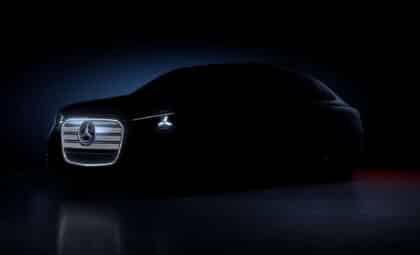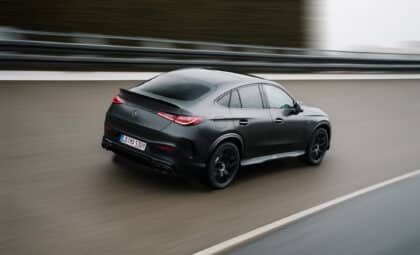


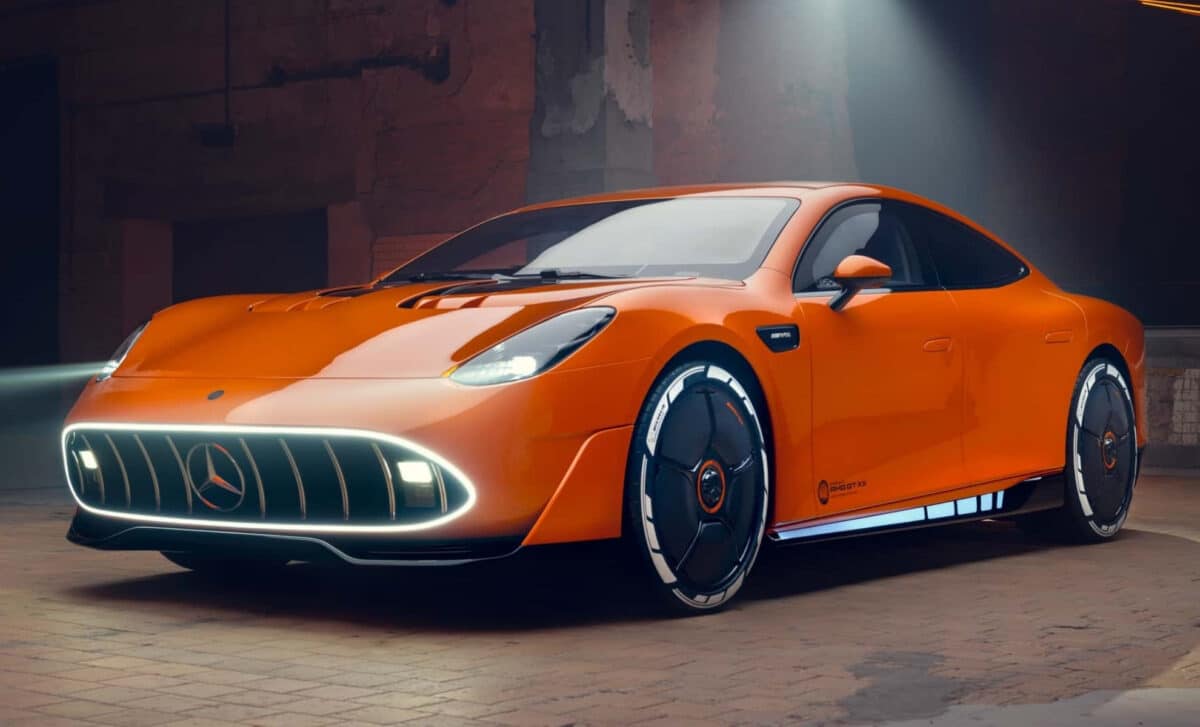
Mercedes-Benz has unveiled a new axial flux motor fitted to the Concept AMG GT XX, capable of delivering over 1,000 kW of peak power and a top speed exceeding 360 km/h. The German manufacturer describes it as nothing less than “the V8 of the electric era,” and plans to make it the standard powertrain across all future AMG electric models.
Electric mobility is no longer just about range and charging speeds. The real battleground has shifted to motor architecture, and Mercedes-Benz appears to have made a significant move. By acquiring a stake in Oxford-based engineering firm Yasa back in 2021, the Stuttgart giant quietly laid the groundwork for what it now presents as a breakthrough in electric propulsion.
The timing is deliberate. As legacy automakers scramble to differentiate their electric lineups, performance-oriented sub-brands like AMG need more than just software tuning and battery upgrades to justify their identity. A fundamentally different motor design, one that can surpass conventional electric motors on multiple technical fronts, could be exactly the kind of argument AMG needs to stay relevant in the electric age.
A Technology Born Outside Stuttgart
The origins of this motor lie not within Mercedes’ own engineering departments, but at Yasa, a specialist firm based in Oxford. According to Auto-Journal, Mercedes-Benz made a significant investment in the company in 2021, specifically to develop axial flux technology for series production. Jörg Miska, CEO of Yasa, described the efficiency gains to Auto Bild: “As everyone knows, the efficiency of all electric motors is excellent — exceeding 90% is common, but now we are reaching 96%.”
That figure matters. A four to six percentage point improvement in motor efficiency may sound modest on paper, but at the power levels AMG vehicles operate, it translates into meaningful gains in both performance and thermal management. The concept vehicle showcasing this technology, the AMG GT XX, serves as a demonstration of just how far those gains can go, with a combined output exceeding 1,000 kW.
What Sets Axial Flux Apart From Conventional Motors
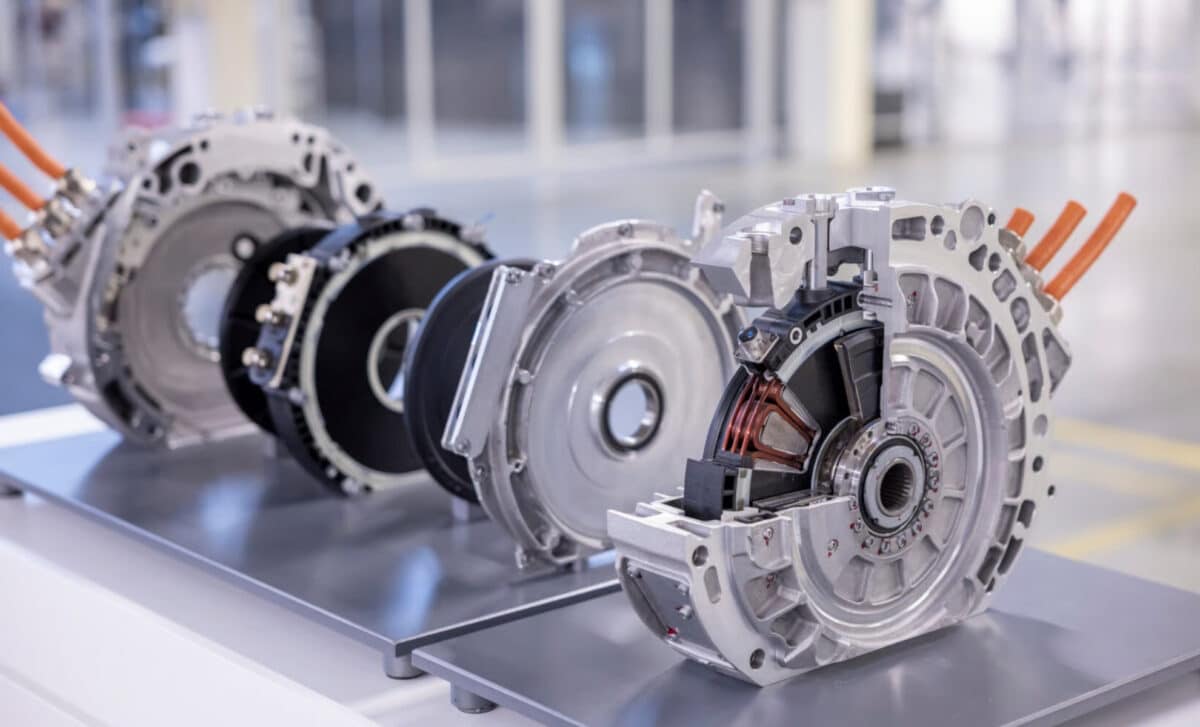
The distinction between axial flux motors and standard electric motors is primarily architectural. In a conventional electric motor, the rotor spins inside an annular stator, a well-established design that has served the industry for decades. In an axial flux motor, two discs face each other directly, changing the geometry of the magnetic interaction entirely.
This configuration allows for a power output that is described as three times greater than what is typically delivered by current electric vehicles. It is worth noting that the engineers behind this technology are not merely refining an existing formula, they are working from a structurally different premise. The result, as seen on the AMG GT XX Concept, is a vehicle capable of exceeding 360 km/h, a figure that goes beyond what conventional electric drivetrains have so far been able to achieve.
Production Plans and the Cost Question
Mercedes-Benz has confirmed that this powertrain is heading toward production, not just the concept stage. The plan, as reported by autojournal.fr, involves manufacturing approximately 25,000 axial flux motors per year at a dedicated facility currently under construction in Berlin. The axial flux motor is also set to become the standard powertrain for AMG’s fully electric models going forward.
There is, however, one significant caveat the manufacturer itself has acknowledged: costs. At launch, prices are expected to rise sharply, a predictable consequence of scaling up a novel manufacturing process. The expectation is that costs will decrease over time as production volumes grow and the supply chain matures. It is an honest admission that even the most promising technologies come with an economic transition period, and that buyers of early AMG electric models bearing this motor may find themselves paying a premium for being first.