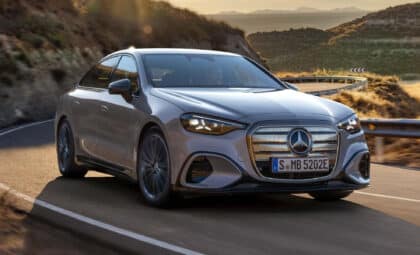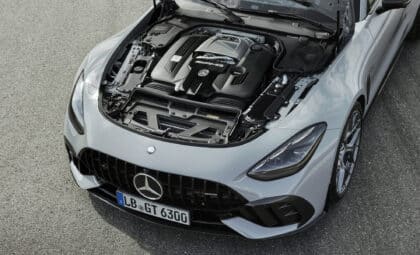

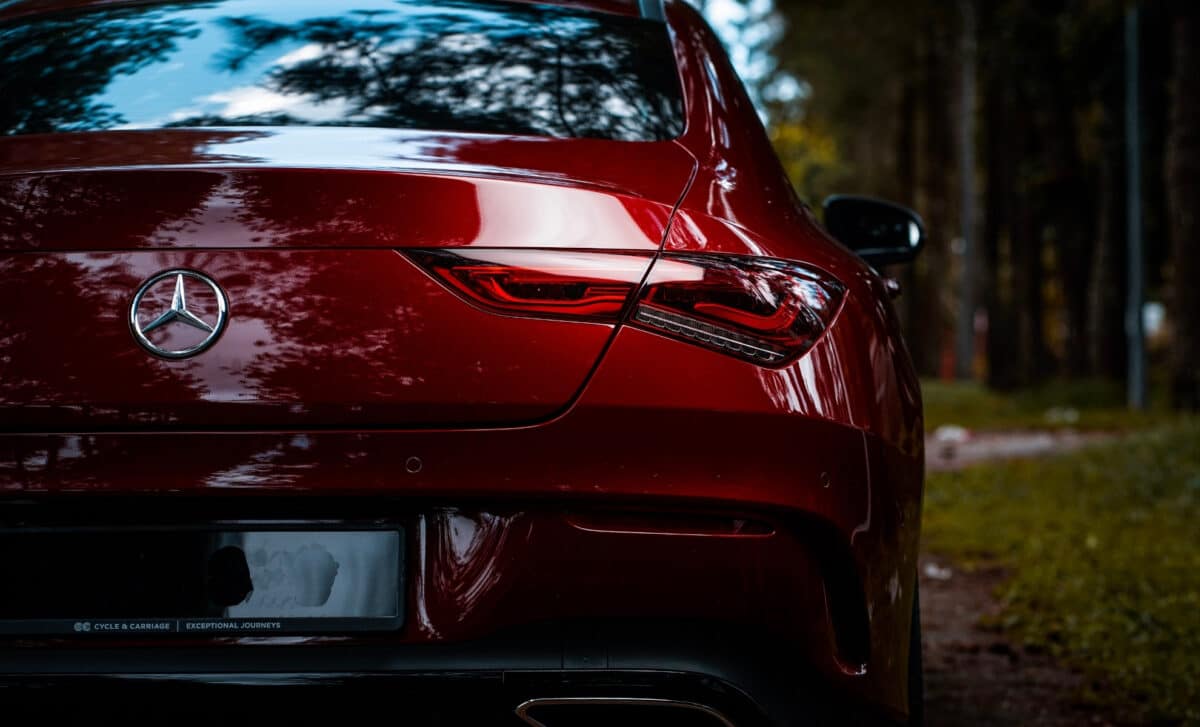
The announcement comes alongside the facelift of the GLE and GLS and ahead of the arrival of a new generation of the GLC, all key models for the U.S. market. Vehicles imported from Europe are subject to 27.5% tariffs, a level that has pushed the automaker to strengthen its domestic production footprint.
The United States is Mercedes’ second-largest market, with 303,200 cars and 40,000 vans sold in 2025, behind China. Yet slowing sales in several regions have added pressure, making cost control and local production more central to its strategy.
Tuscaloosa at the Center of the Investment Plan
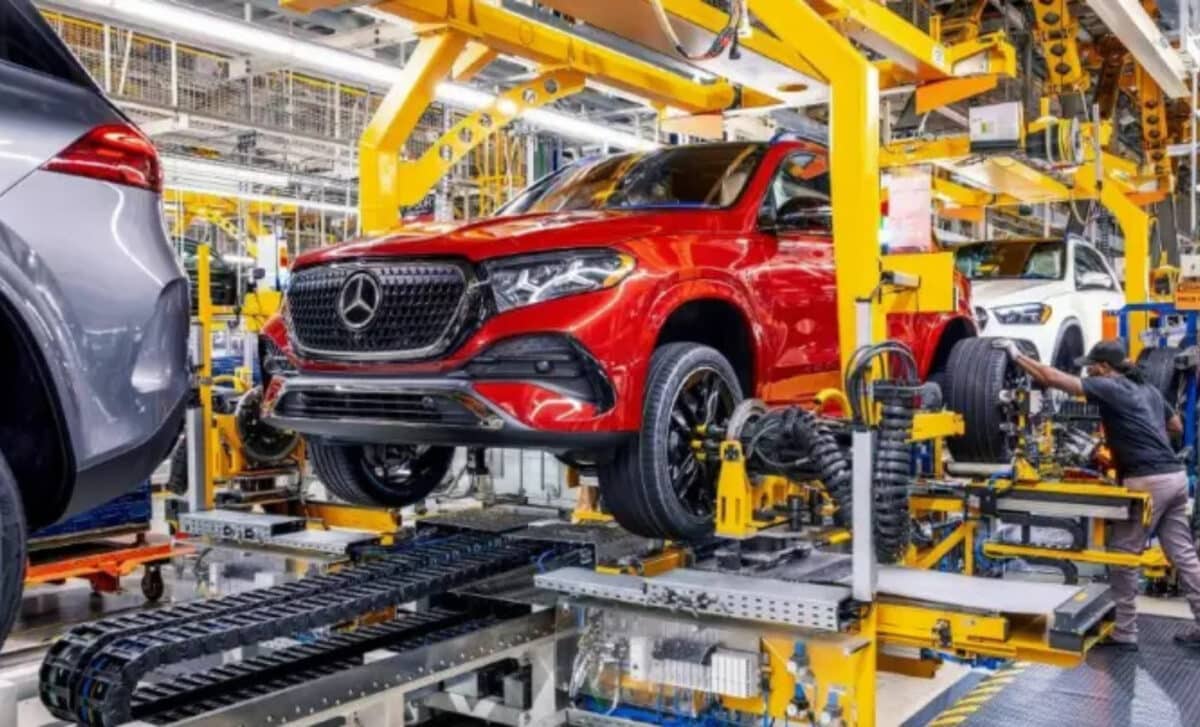
The Tuscaloosa plant in Alabama will receive the largest share of the investment, with $4 billion allocated to the site. It is Mercedes’ first factory in the United States and produces large SUVs such as the GLE, GLE Coupé, GLS, and the Maybach GLS.
According to Automobile Magazine, the plant also assembles the brand’s large electric sedans, which have struggled to gain traction. A facelift of the EQS is planned, though its impact on sales remains uncertain.
The site employs 5,800 people and will soon produce the next-generation GLC, one of Mercedes’ best-selling models globally. Part of the funding will be used to add a dedicated production line, increasing the plant’s capacity.
A Long-Standing Industrial Presence in the U.S.
Mercedes has been manufacturing vehicles in the United States since 1996, primarily SUVs for both domestic sales and export. Over nearly three decades, five million vehicles have been produced in the country, reflecting the importance of this industrial base.
Tuscaloosa is the largest facility, though it accounts for less than 10% of the 107,000 jobs Mercedes says it supports nationwide. In Charleston, South Carolina, another plant produces Sprinter vans and employs 1,700 people.
The model is widely used in the U.S., particularly by large fleets such as FedEx, in both combustion and electric versions. The company did not detail additional investments for this site.
New R&D Hub and Growing Cost Pressures
Mercedes is also investing in a new research and development center in Atlanta, where it moved its U.S. headquarters in 2018. The facility is expected to create 500 jobs and consolidate activities previously spread across several locations.
The investment is described as relatively modest, amounting to a few million dollars. It is intended to improve efficiency and reduce operating costs.
These efforts come as the brand faces declining sales in key markets. Deliveries fell by 21.3% in China and by 11.9% in France in 2025, while remaining stable in the United States.