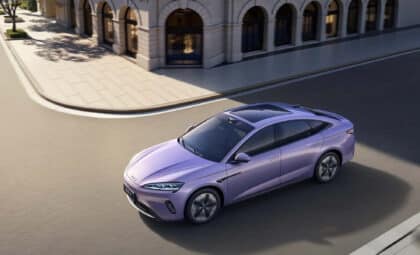

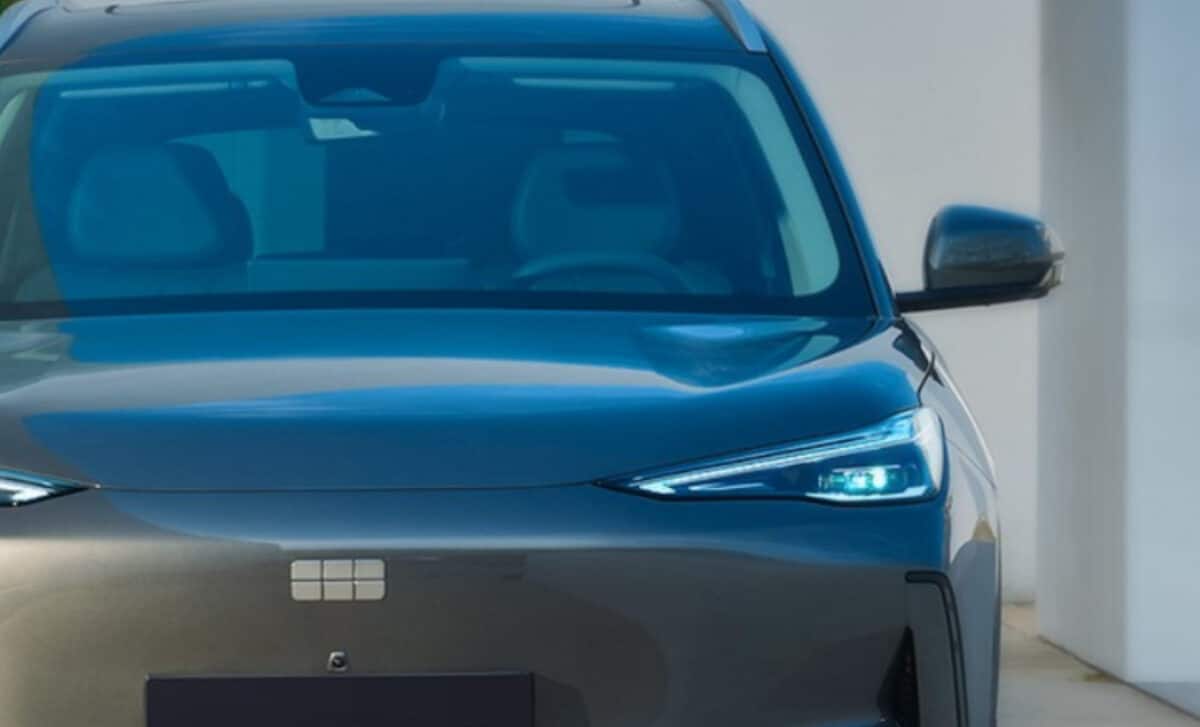
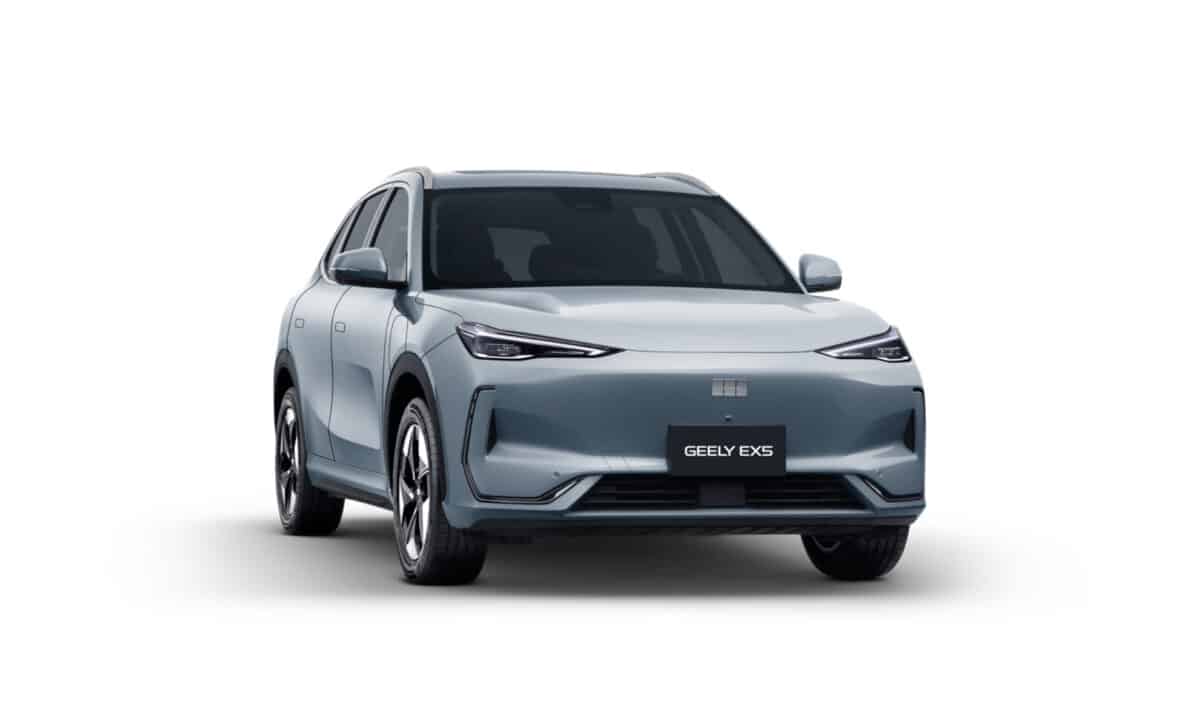
The EX5, already sold in China, now aims to make its mark in Europe with this new technology. Geely, which owns brands like Volvo, Polestar, and Lotus, recently showcased a prototype of the EX5 featuring its new independent wheel rotation system.
The system allows the vehicle to move in any direction, making tight parking and navigation through narrow spaces far less stressful. Geely describes the system as “unprecedented“, claiming that it could revolutionize the way we park and drive, especially in crowded urban environments. The system is powered by electric motors integrated directly into each wheel, allowing for full independent movement.
A Familiar Concept with a Unique Twist
Although Geely’s new system appears revolutionary, it is not entirely without precedent. Hyundai had previously unveiled a similar technology for its Ioniq 5 prototype about two years ago, though it has not yet entered large-scale production. Other vehicles, such as the Hummer EV, Tesla Cybertruck, and the YangWang U8 from Chinese automaker BYD, feature comparable capabilities like the “crab mode” that allows sideways movement.
However, what sets Geely’s system apart is its ability to rotate each wheel independently by up to 90 degrees, a feature that, according to the company, enhances stability on slippery roads or in strong winds. This could prove particularly useful in challenging driving conditions, where traditional maneuvering methods fall short.
Despite its clear potential, the application of this technology in everyday use remains uncertain. While the system could make parking in tight spaces easier, it may not necessarily resolve all practical challenges associated with driving in urban settings.
The Space Conundrum: Will It Affect Comfort?
One of the most significant concerns surrounding Geely’s new wheel technology is how it affects the vehicle’s design. The EX5 prototype shown by Geely featured noticeably wider wheel arches at the rear, which were likely necessary to accommodate the independent rotation of the wheels. This modification raises questions about the vehicle’s interior space, particularly for rear passengers and the trunk area.
The rear windows of the prototype were covered with an opaque film, suggesting that the seats in the back may have been removed for demonstration purposes. This could signal that the changes required for the wheel system might compromise the comfort and practicality expected from a family SUV.
If these design adjustments are necessary for the system to function as intended, the EX5 could face challenges when it comes to appeal in markets where interior space is a major selling point. For a vehicle that’s meant to serve as a family SUV, sacrificing rear passenger room and cargo space could limit its broader market appeal.
A Competitive Electric SUV with Solid Performance
Despite concerns about its design, the Geely EX5 is still an attractive electric vehicle in other ways. Already available in China under the name Galaxy E5, it features a 215-horsepower electric motor and a 60.2 kWh battery, providing an estimated range of 430 km on a full charge, according to the WLTP cycle. The EX5 is also expected to be priced competitively in Europe, with the Chinese version starting under 11,000 euros.
The EX5’s performance is solid for its price, offering a combination of range, power, and affordability that positions it as a serious contender in the increasingly crowded electric vehicle market. As Geely looks to expand its presence in Europe, the success of the EX5 will depend on how well it balances innovation with practicality. The new wheel system is undoubtedly a bold step forward, but its real-world usability will ultimately determine whether it becomes a mainstream feature or remains a curiosity.