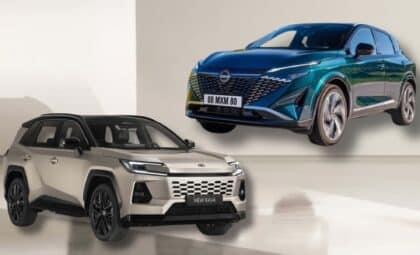

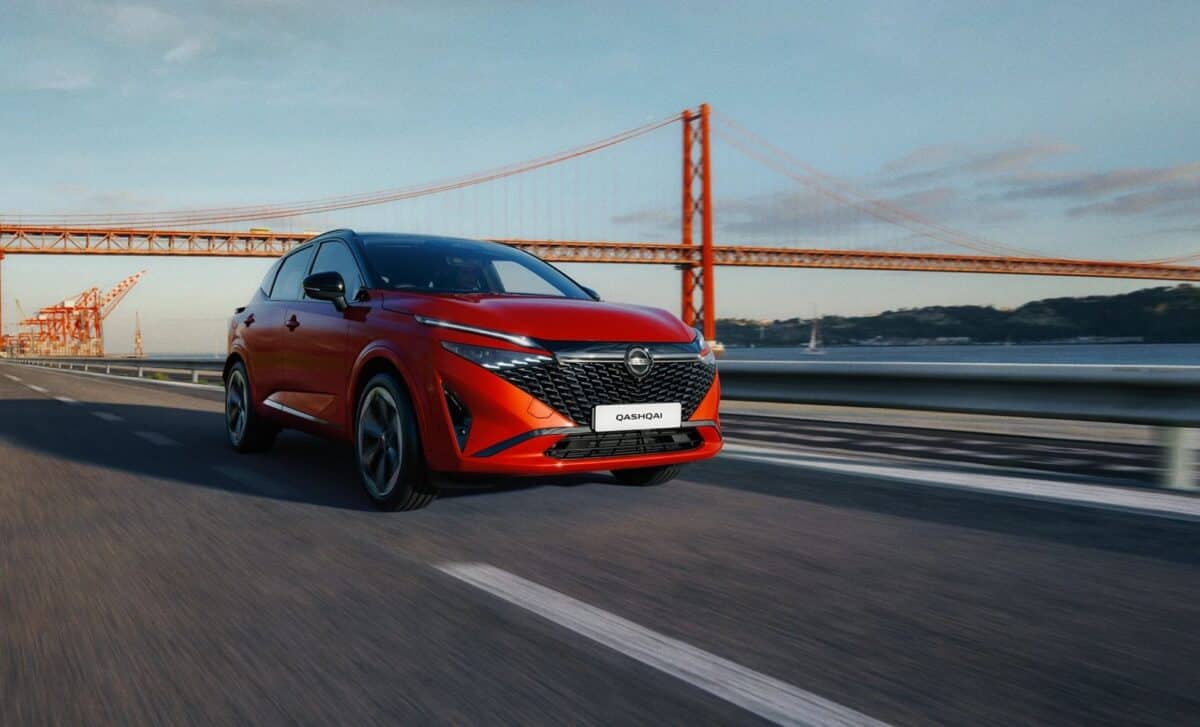
Designed for a market overflowing with compact SUVs, the 2025 Nissan Qashqai enters the fray with modest changes and familiar tech. Its hybrid setup delivers a refined ride ideal for urban driving, yet competitors like the Hyundai Tucson and Toyota RAV4 continue to overshadow it in performance and practicality.
The model tested, by Carscoops, —the Ti e-Power—lands in the middle of the Qashqai range, aiming to blend affordability with premium features. But despite its strengths in efficiency and comfort, the car doesn’t quite break through the noise in a crowded segment.
Mild Facelift, Same Heart Under the Hood
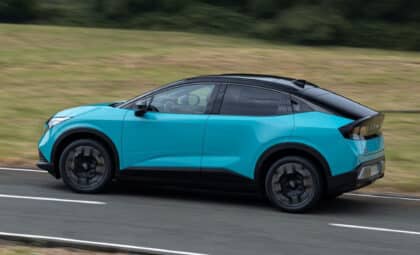
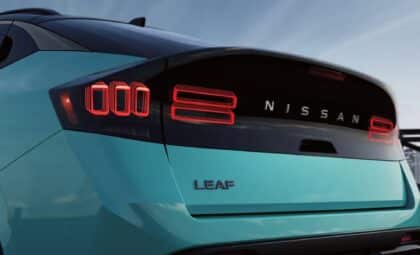
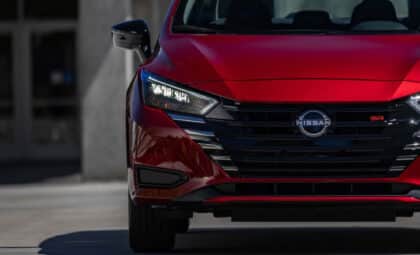
For 2025, Nissan focused its update on styling. The Qashqai now features redesigned LED headlights, a sharper front grille, and clear LED taillights. According to Carscoops, these tweaks bring a more aggressive look, though the changes stop short of a full overhaul.
Mechanically, it’s business as usual. The e-Power version sticks with the same 1.5-liter turbocharged three-cylinder engine that powers a 2.1 kWh battery, which in turn feeds a 140 kW electric motor. The engine’s only job is to generate electricity—never to drive the wheels—creating an EV-like feel behind the wheel.
Pricing for the Ti e-Power starts at AU$50,990 ($33,300). Lower trims with petrol engines begin at AU$39,037 ($25,500), while the top-spec N-Design, only available as e-Power, goes up to AU$58,990 ($38,500). Despite the price bump, performance and efficiency figures remain largely unchanged.

Inside: Solid Build, Small Compromises
The cabin hasn’t seen significant changes since the last model. European versions now run a Google-based infotainment system, but Australian buyers still get the older 12.3-inch screen. It supports wireless Apple CarPlay and Android Auto, and is paired with a digital gauge cluster in higher trims.
Build quality feels appropriate for the price point. The Ti model features a leather interior with white contrast stitching, while the Ti-L trim adds Alcantara accents for a more premium touch. Materials and finishes are competitive but not class-leading.
The infotainment system is fast and functional, but it’s not as refined as what’s offered by Hyundai or Kia. Shortcuts and physical buttons are appreciated, but the piano black surfaces around the controls pick up smudges easily. The six-speaker sound system in the Ti model also leaves room for improvement—those seeking better audio are steered toward the Bose-equipped Ti-L.
Interior space is decent but not exceptional. It comfortably suits couples or small families, but rivals like the Toyota RAV4 and Hyundai Tucson offer more generous room. For those needing extra space, Carscoops recommends considering the Nissan Rogue/X-Trail.
Hybrid Smoothness With a Few Rough Notes
What sets the Qashqai e-Power apart is the way it drives. The hybrid powertrain delivers smooth, quiet performance at low speeds. The petrol engine only kicks in to generate power, making the car feel more like an EV than a traditional hybrid.
Nissan claims 4.8 l/100 km (49 US mpg) in mixed driving. The reviewer averaged 5.3 l/100 km (44.3 US mpg) over a week—slightly higher, but still competitive. The car’s acceleration, reaching 100 km/h in around 8 seconds, is sufficient for daily use, though it lags behind the Hyundai Tucson Hybrid in both power and torque.
The e-Pedal regenerative braking system is a highlight, helping reduce pedal use in most driving conditions, though it stops short of offering true one-pedal control. Steering is light and predictable, if somewhat numb. Ride quality remains a strong point, especially in city environments.
While the engine stays quiet under normal driving, pushing it hard reveals a coarser sound that breaks the illusion of an electric vehicle. It’s not a performance model—and doesn’t pretend to be—but buyers expecting refinement throughout the rev range may be let down.