
Behind every price hike is a pattern, and this one points directly at our obsession with larger vehicles, luxury trims, and optional features. While safety tech is often cited as the villain in the rising cost narrative, it turns out to be more of a scapegoat. In reality, consumers’ buying choices, and how automakers cater to them, are doing most of the damage.
The truth is, affordability hasn’t disappeared because of mandatory crash protection. It’s being buried under a pile of leather seats, panoramic sunroofs, and super-sized SUVs. Meanwhile, the conversation around what actually makes a car safe has gotten lost in the noise.
Luxury, Size, and Trim Levels Inflate Prices, Not Safety Systems
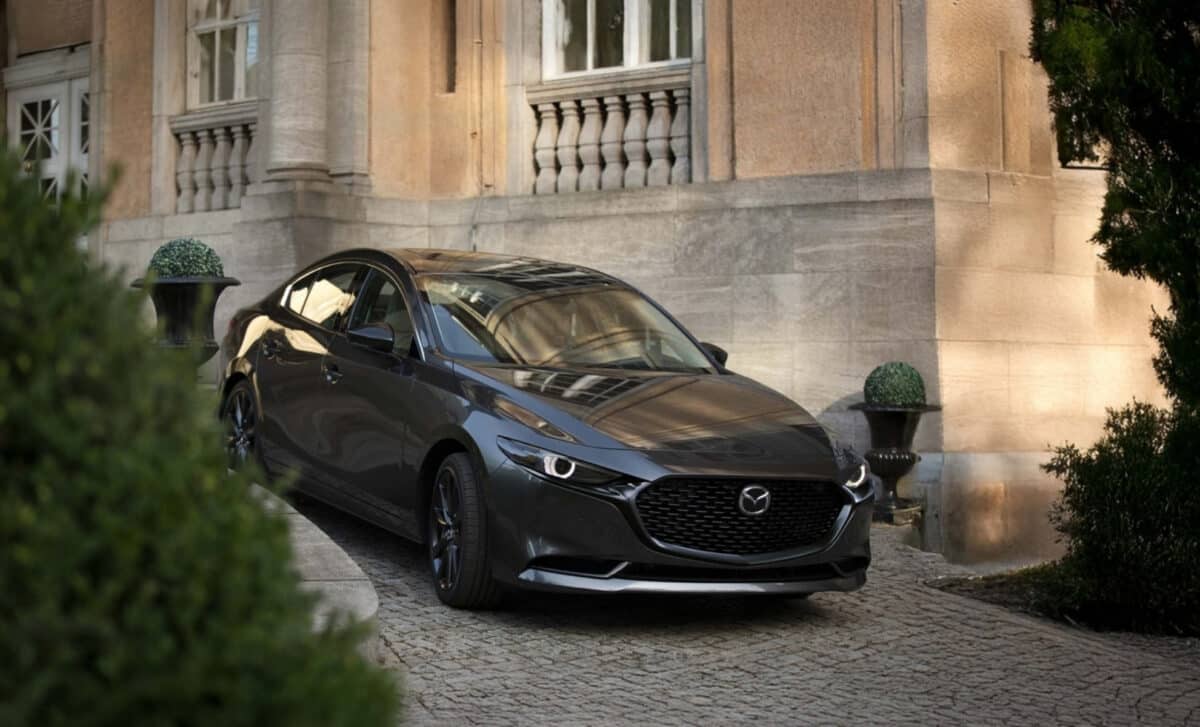
Even budget-friendly vehicles now come with standard safety tech. According to the Institute for Highway Safety (IIHS), several new models priced below $30,000 offer strong crash protection and driver assistance. The 2026 Mazda 3 is one example. It shows that affordability and safety are not mutually exclusive, contradicting the belief that higher costs are tied to protective technology.
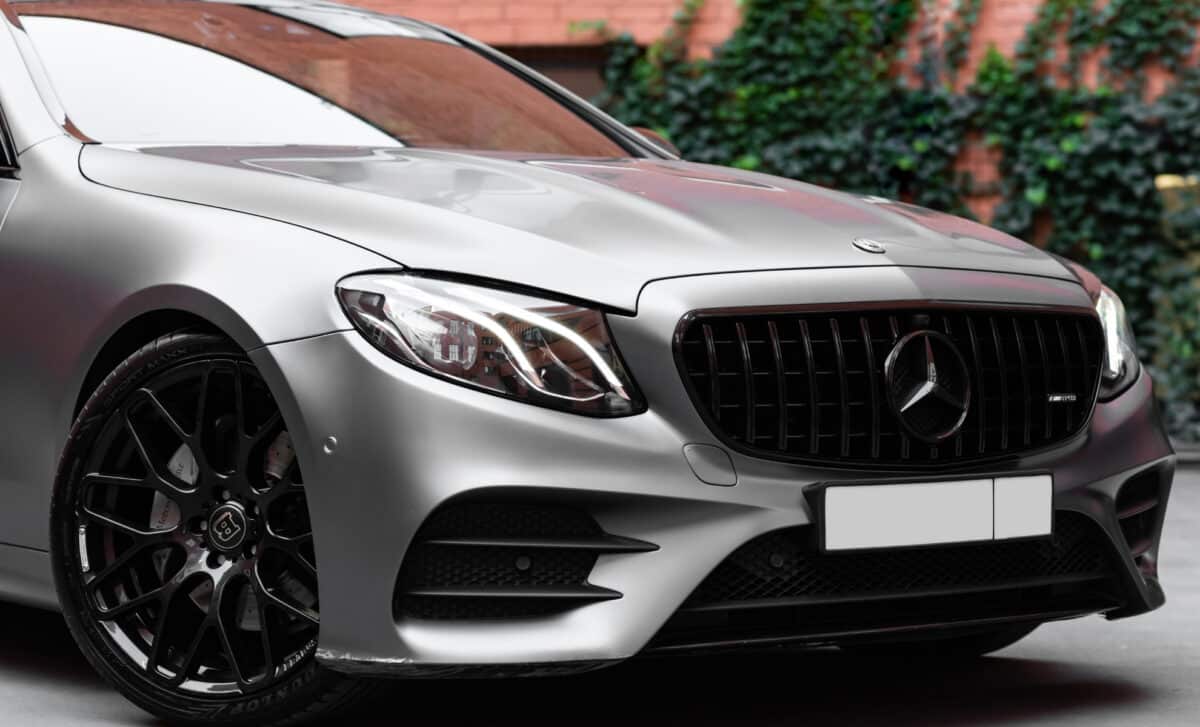
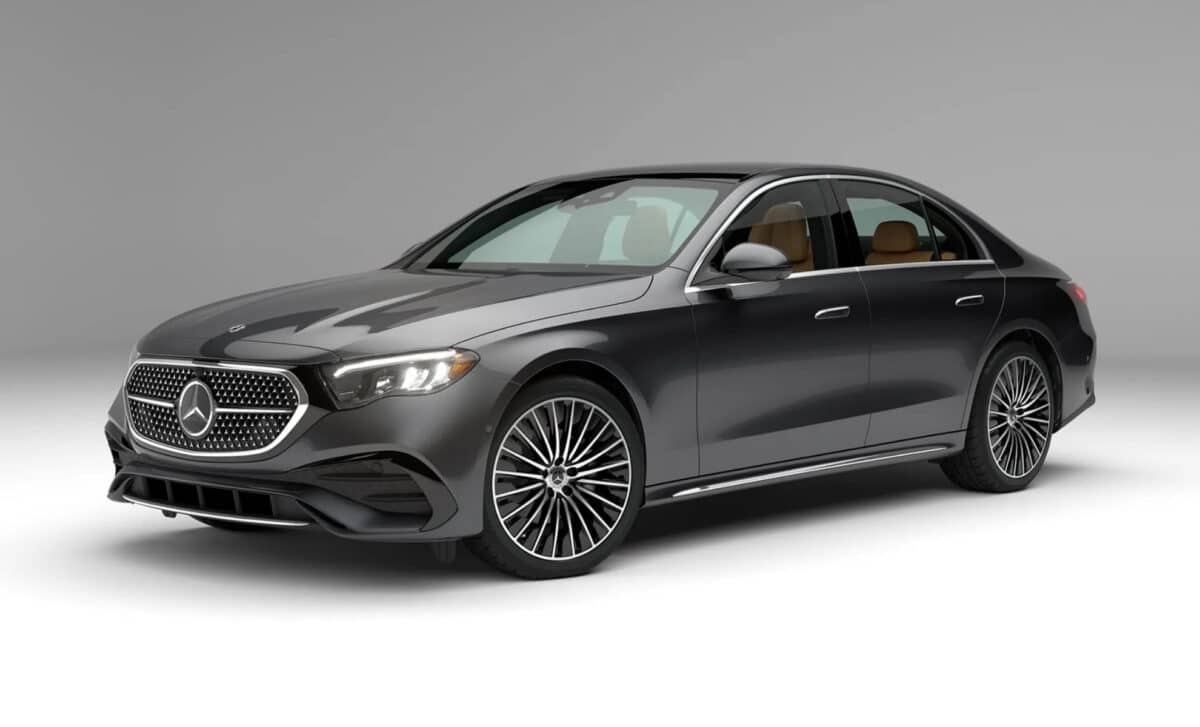
The real price drivers are found elsewhere, mostly in how much consumers are willing to pay for size and luxury. As people gravitate toward larger vehicles and premium trims, costs climb rapidly. These upgrades rarely improve actual safety outcomes. A telling comparison is the 2026 Mercedes-Benz E-Class, a full-size luxury sedan with a starting MSRP of $66,400. Despite its premium status, the E-Class received a surprisingly weak safety score.
Meanwhile, the smaller and far less expensive 2026 Mercedes-Benz CLA earned the highest Euro NCAP safety rating last year. With Euro NCAP expected to revise its testing protocols in 2026, the gap between what seems safer and what actually is may continue to grow.
Cutting Safety Tech Won’t Lower Costs, It Just Shifts Them
Eliminating safety systems might reduce production expenses in the short term, but it won’t make car ownership cheaper. In fact, the IIHS argues that such cuts would have the opposite effect. Removing modern protections would lead to more severe crashes, a higher rate of injuries, and more insurance claims.
Those consequences would fall directly on drivers. More dangerous vehicles mean higher premiums and greater medical costs. So while a car without certain safety features may be cheaper to buy, it quickly becomes more expensive to own.
There’s also a ripple effect: if prices keep climbing, more people may choose to hold on to older vehicles. On the surface, that decision may appear financially sound. But many older models, like a decade-old Toyota Camry, lack the structural improvements and advanced driver assistance tools that are now standard in newer cars.
That reality is part of what’s pushing some automakers to rethink their approach. Ford, for example, is preparing to launch a $30,000 electric pickup. The company is also looking at reviving affordable sedans, offering alternatives to the large, expensive vehicles that have come to dominate the market.
Safety and Affordability Can Co-Exist, but Not When Safety Is Paywalled
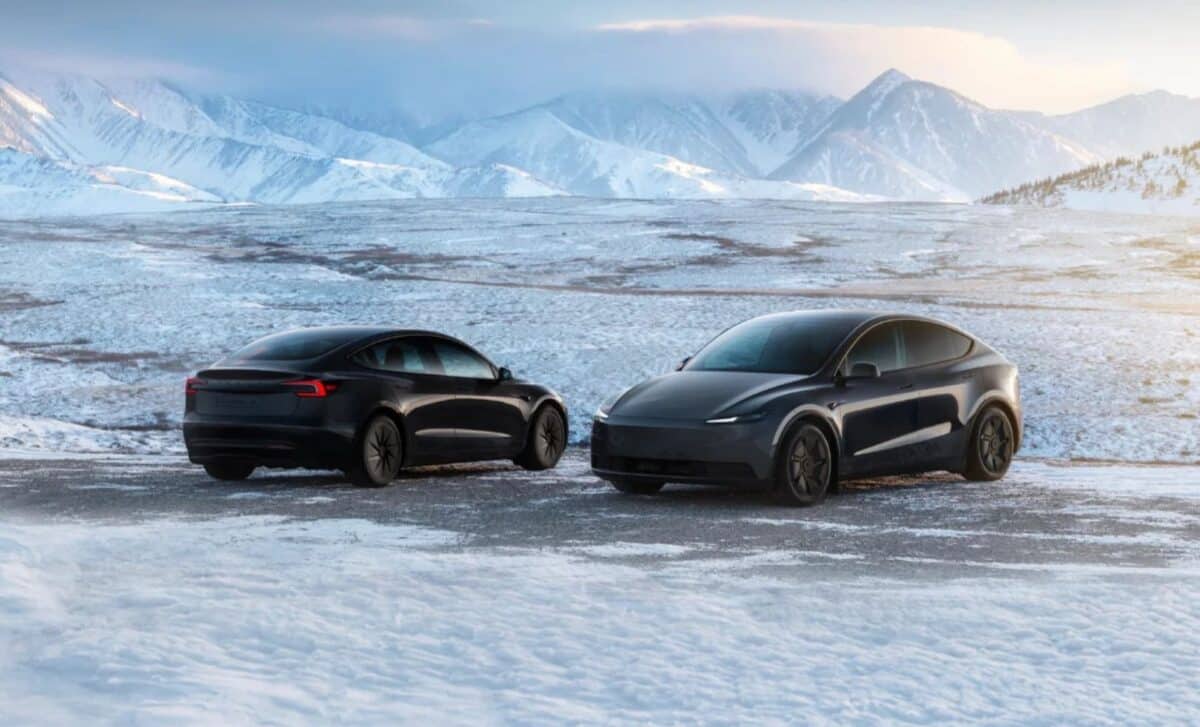
The balancing act between price and protection becomes even more complex when safety is turned into a premium feature. Tesla illustrates this better than most. While the brand has long promoted its reputation for safety, it’s currently facing multiple wrongful death lawsuits related to hardware failures.
At the same time, Tesla has placed its Full Self-Driving system behind a subscription paywall, making it more difficult and expensive for buyers to access advanced safety tech. According to the IIHS, this raises concerns about equity and access, especially if modern protections are reserved only for those who can afford extra fees.
If safety continues to be bundled into luxury packages or locked behind software subscriptions, the gap between safe and affordable vehicles will only widen. And if buyers associate high prices with better protection, they may overlook less expensive models that perform just as well, or better, when it matters most.