BYD Introduces New 2.0-Liter Boxer Engine to Power Future Hybrid EVs
BYD has unveiled a new 2.0-liter boxer engine, designed to serve as a range extender for its future electric vehicles (EVs).
BMW is re-evaluating its electric vehicle roadmap, with internal sources suggesting a possible return to range extender (REX) technology.
China has taken a major step in electric vehicle development with the launch of its first production line for all-solid-state batteries, led by Guangzhou Automobile Group (GAC).
Rivian’s CEO, RJ Scaringe, has turned what many in the electric vehicle (EV) industry see as a setback into a potential advantage for his company.
For the first time ever, plug-in hybrid electric vehicles (PHEVs) have surpassed diesel cars in European sales.
The 2026 Fiat 500 Hybrid marks the return of a gas engine in the iconic city car, defying the industry’s push toward electric vehicles.
Chinese electric vehicles (EVs) have rapidly gained traction in South America, surpassing Tesla in several key markets.
Chinese automaker BYD is setting its sights high. The company intends to sell up to 1.6 million electric vehicles outside its home market in 2026.
Tesla has begun offering short-term electric vehicle rentals in California, allowing drivers to access high-end models for daily rates starting at $60.
A year after announcing a $5.8 billion joint venture, Volkswagen and Rivian are moving forward with real-world testing of their new electric vehicle architecture.
Honda CEO has announced that the company’s next major battleground in the electric vehicle (EV) sector will be affordable models priced under $35,000
Honda is revamping its hybrid strategy with a new V-6 engine, a key step in expanding its lineup of hybrid electric vehicles (HEVs) for North American SUVs and trucks.
Sales of electric vehicles took a steep dive in October, following the end of the federal $7500 tax credit that had propped up demand throughout the year.
A 2019 Tesla Model S with over 400,000 kilometers provides valuable data on the durability of electric vehicle batteries.
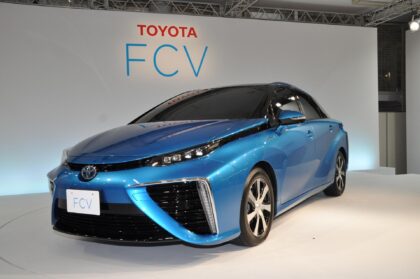
Toyota confirms its first solid-state EV will launch between 2027 and 2028, promising faster charging, longer range, and improved safety in a major leap forward for electric vehicle technology.
Chinese automakers like BYD, GWM, and Changan are overtaking legacy brands across Asia, Africa, and Latin America, driven by low prices and a rising electric vehicle lineup.
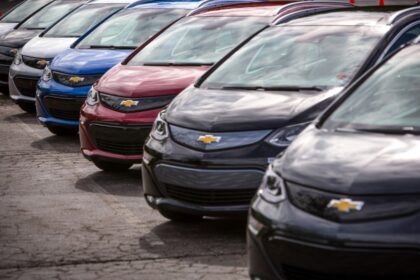
Chevrolet is bringing back the Bolt and launching a full lineup of affordable EVs around it, all priced near $30,000, marking a bold move by GM to lead in the low-cost electric vehicle market.
A wave of EV delays and cancellations hit the U.S. in 2025 as automakers face rising costs, shifting demand, and policy changes, forcing many to pause or scrap electric vehicle plans.
As of Sept. 30, 2025, the federal EV tax credit is gone—but some U.S. states now offer up to $9,000 in rebates to keep buyers interested and the electric vehicle market moving.
Ford will slash prices across multiple trims of its 2026 F-150 Lightning lineup, marking a notable shift following the end of the $7,500 federal electric vehicle tax credit.
Toyota is moving forward with its long-promised leap into all-solid-state battery technology, setting its sights on 2027 for the release of its first electric vehicle powered by the next-generation system.
Chinese automaker BYD has officially taken the lead over Tesla in global electric vehicle (EV) sales for 2025, delivering 388,000 more EVs than its American rival in the first nine months of the year.
A Canadian man drove his Tesla Model X Long Range until it shut down completely, aiming to find out what actually happens when an electric vehicle runs out of battery.
China is taking significant steps to bolster the global reputation of its electric vehicles (EVs). Starting on January 1, 2026, Chinese automakers will be required to obtain an export license to sell their electric cars abroad.
Ford’s ambitious plans for electric vehicles have taken a significant turn. CEO Jim Farley admitted that the company overestimated the potential size of the EV market, particularly for high-priced models.