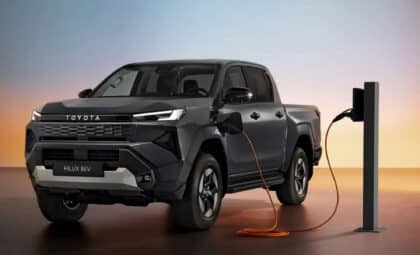

Toyota’s approach to electric vehicles has, until recently, been cautious. The bZ4X launched a few years ago to mixed reviews, and the company repeatedly emphasized hybrids as a more viable path than fully battery-powered models. That stance is now evolving as Toyota expands and updates its EV lineup.
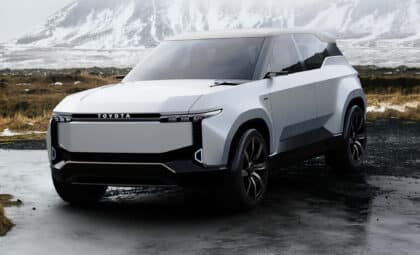
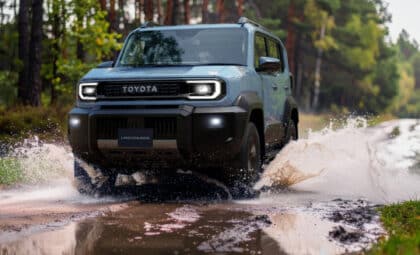
In 2026, the automaker is rolling out an updated version of the bZ4X, now simply called the bZ, with improved range and a Tesla-style NACS charging port. The C-HR and bZ Woodland are also scheduled to reach the market. Within this broader push, the Highlander’s transition to a fully electric model for 2027 stands out, especially with the addition of bidirectional charging.
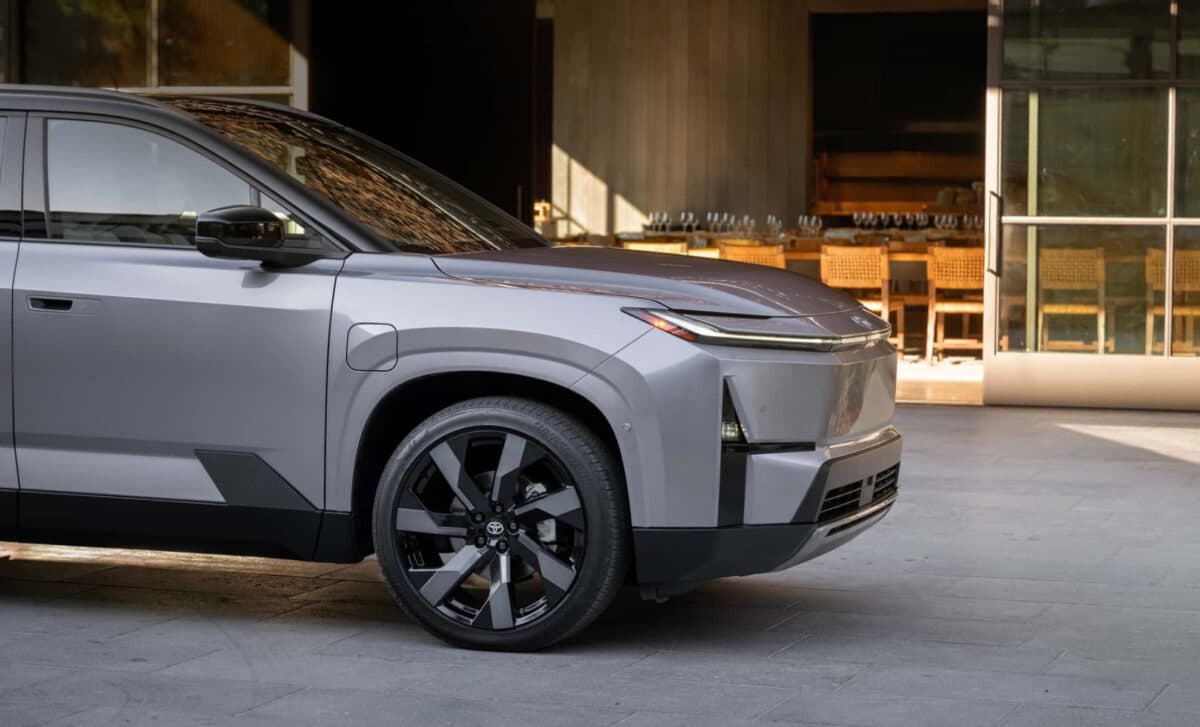
Toyota Expands Its EV Lineup with a Fully Electric Highlander
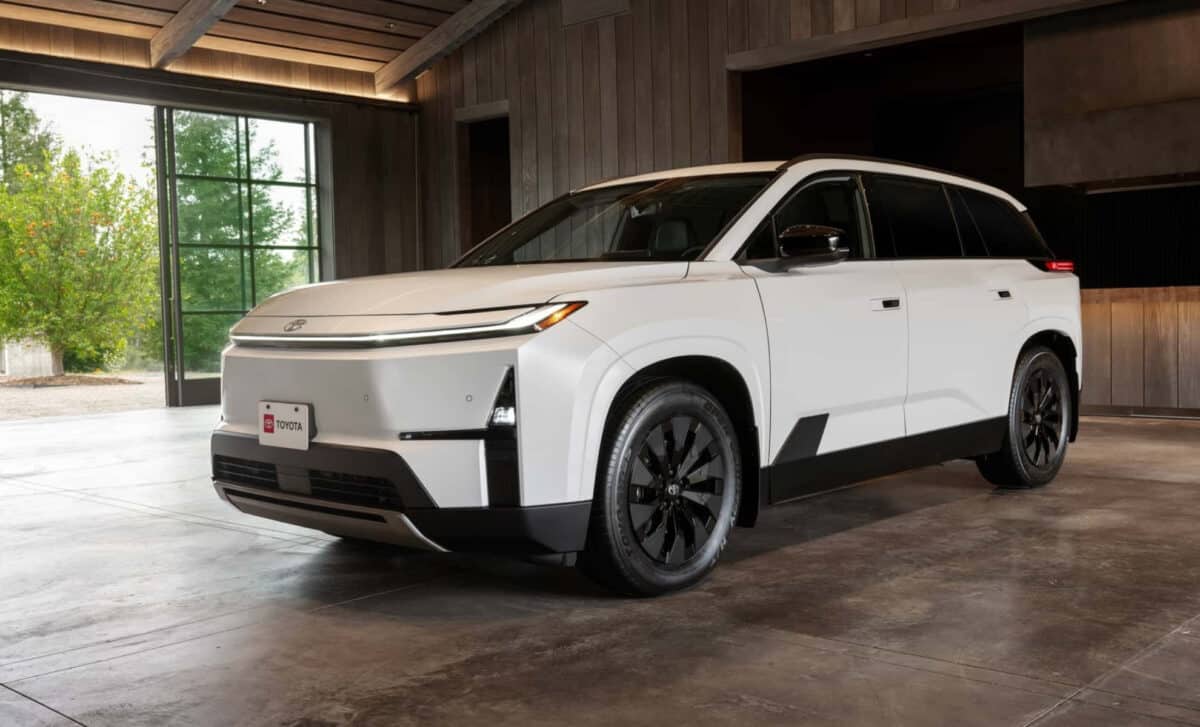
According to InsideEVs, the Highlander will become all-electric for the 2027 model year, joining a growing list of battery-powered models from the Japanese manufacturer. It will offer two battery options: a 77-kilowatt-hour pack and a larger 95.8 kWh battery.
Toyota says the larger battery will deliver 320 miles of range in an all-wheel-drive configuration. The move places one of Toyota’s most popular SUVs at the center of its renewed EV efforts, signaling a broader commitment to battery-electric vehicles after years of prioritizing hybrids. The Highlander EV will go on sale at the end of 2026, with additional details expected closer to launch.
Bidirectional Charging Moves Into the Mainstream
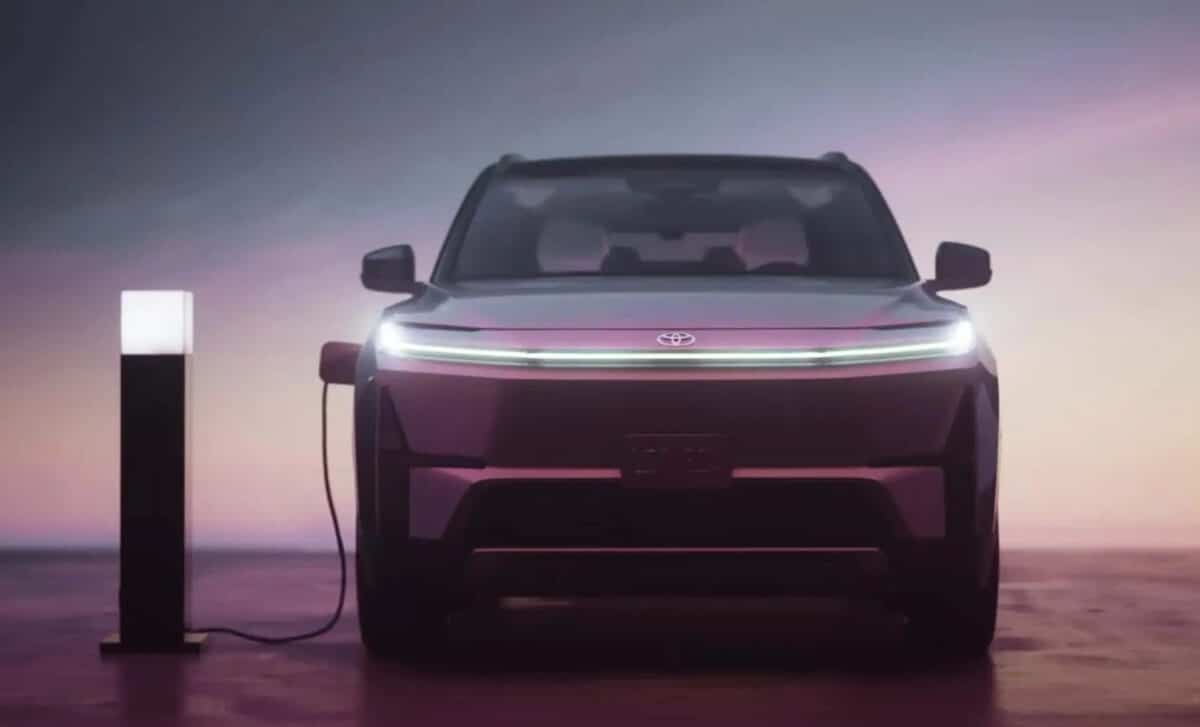
The 2027 Highlander will be Toyota’s first EV equipped with bidirectional charging capability. Also known as vehicle-to-load, or V2L, the feature allows owners to use the vehicle’s battery to power external devices.
Highlander drivers will be able to run appliances such as coffee makers during camping trips, operate a TV or induction cooktop while tailgating, or keep a refrigerator running during a blackout. The idea is straightforward: if an EV carries a large battery pack, it can serve as a mobile power source when needed.
V2L is becoming more common across the EV market. The Highlander joins models such as the Hyundai Ioniq 9, Kia EV6, Tesla Model Y Performance, and Chevrolet Silverado EV in offering the capability. While it is not yet universal, adoption is increasing as automakers integrate energy features into their vehicles.
Tesla and GM Also Push Vehicle-to-Home Solutions
Bidirectional charging remains unevenly distributed across lineups. The Cybertruck became the first Tesla to offer both V2L and vehicle-to-home functionality. The Tesla Model 3 does not offer the feature, and neither did the outgoing Model S and Model X. Most trims of the Model Y also lack it.
The feature has proven valuable during extreme weather events across the United States in recent years, particularly vehicle-to-home setups that can supply residential power. Automakers are increasingly pairing EVs with broader home energy products. General Motors, for example, now sells stationary batteries and bidirectional charging systems designed to work with its electric vehicles.
Toyota has not yet detailed the specific accessories or configurations that will accompany the Highlander’s V2L system. More information about its bidirectional charging setup is expected closer to the SUV’s market launch at the end of 2026.