
This revelation came during a conversation at a test-drive event at Fuji Speedway, where Toyoda, an avid motorsport enthusiast, also encouraged a new engineer to chase his dream of creating a hypercar for Toyota. While Toyoda’s preferences reflect his personal passion, they also underline Toyota’s ongoing commitment to high-performance vehicles.
Toyoda’s candid comments about Toyota’s lineup highlight his deep involvement in the company’s performance car division. Known for his racing prowess under the pseudonym “Morizo,” Toyoda remains active in motorsport despite being 69 years old.
His perspective on what makes a good car is shaped by his love for driving excitement, especially when it comes to cars that offer a visceral, performance-oriented experience. However, while his dream lineup of only GR models would cater to a niche market, Toyoda acknowledges the importance of Toyota’s broader, mass-market vehicles, which continue to sustain the company’s success.
Toyoda’s Dream Lineup: Hot Hatches Only
Akio Toyoda didn’t mince words when discussing his ideal lineup for Toyota. As repoterd by Motor 1, speaking to an engineer set to join the company, he admitted that if he had his way, the automaker would sell nothing but hot hatchbacks.
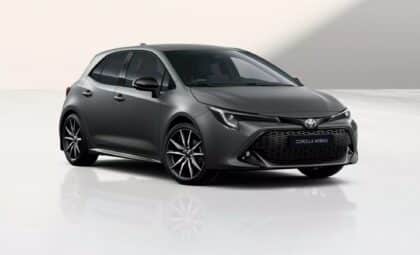
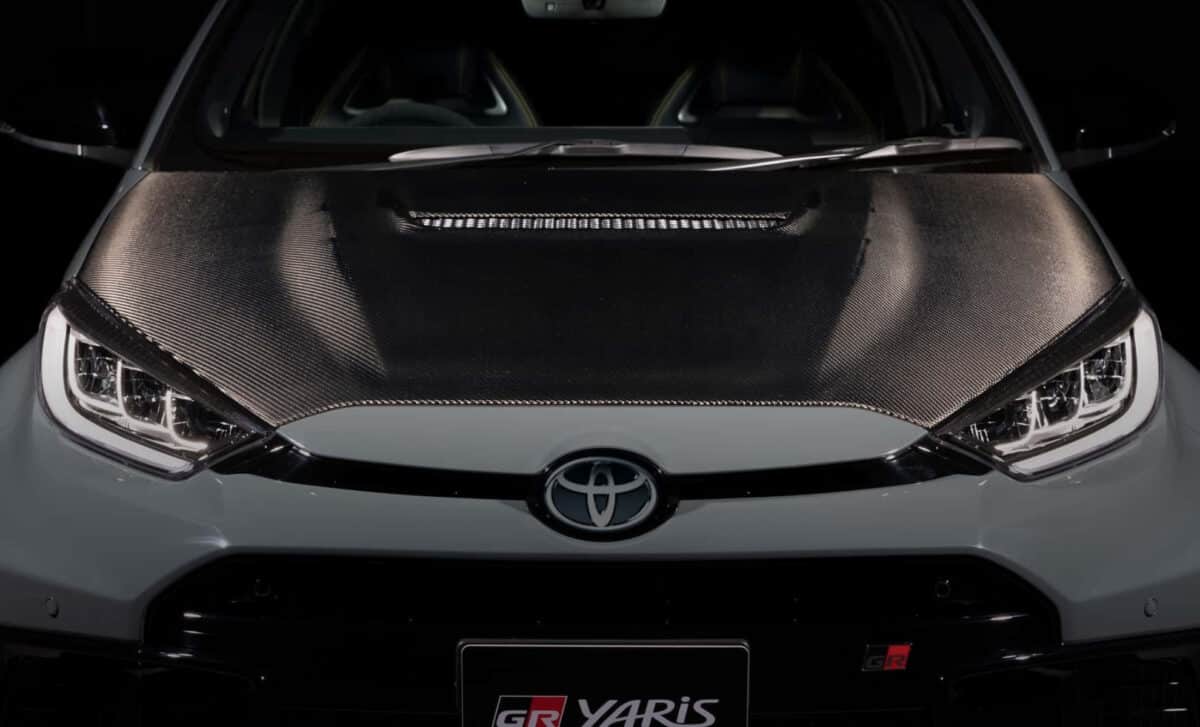
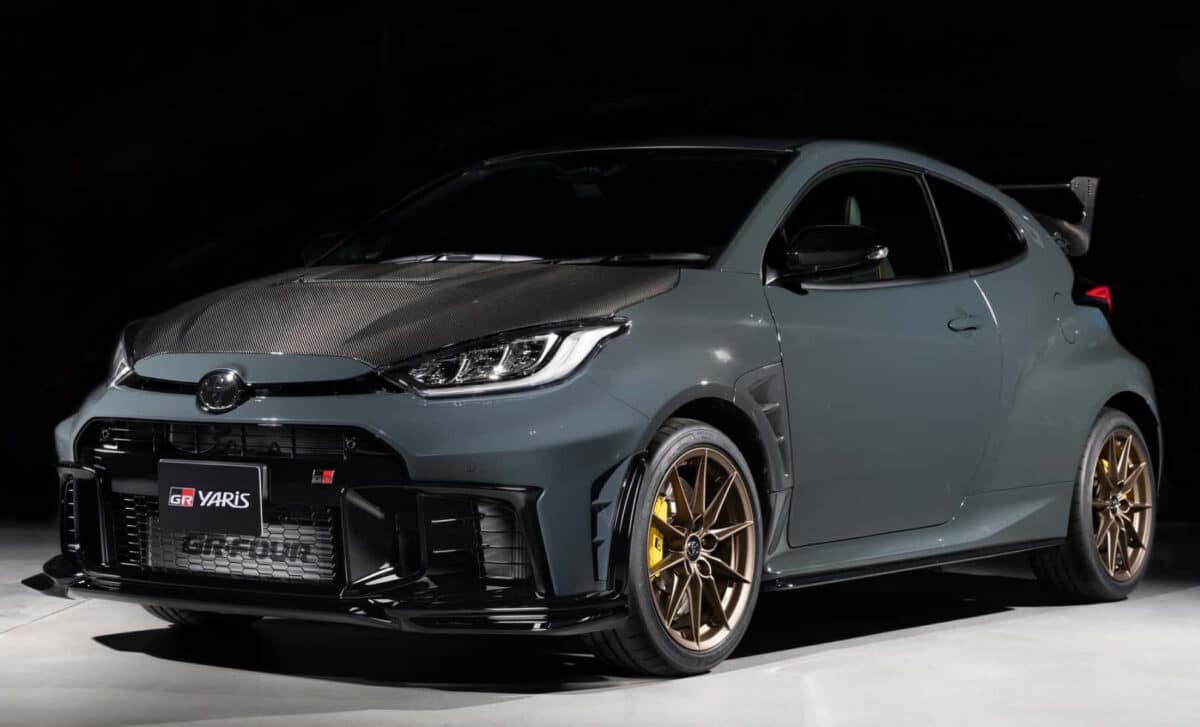
Specifically, he mentioned the GR Yaris and GR Corolla as the only models he would focus on, highlighting his belief that these performance vehicles capture the essence of what Toyota should be about. The statement comes as no surprise, considering Toyoda’s longstanding involvement with Toyota’s Gazoo Racing (GR) division, which has produced a series of beloved performance cars in recent years.
Though Toyoda did not explicitly reference other GR models like the 86, Supra, or the new GT, it’s clear that he would likely include these as part of his dream lineup. With Gazoo Racing recently becoming its own entity and focusing on high-performance vehicles, Toyota is signaling its ongoing commitment to sports cars. The GR Yaris and GR Corolla are prime examples of this commitment, offering enthusiasts a driving experience that stands apart from Toyota’s more mainstream offerings.
A New Hypercar? Encouraging Innovation
During the same conversation, Toyoda was asked about the possibility of creating a new hypercar, drawing inspiration from Toyota’s iconic LFA. The young engineer mentioned his dream of working on a hypercar, to which Toyoda offered his full support, suggesting that the door is open for such ambitious projects.
“Once you decide, don’t give up easily. Find people and colleagues who resonate, and you can make that car,” Toyoda advised. His words reflect the freedom within Toyota’s corporate culture, where engineers are encouraged to pursue bold ideas without facing significant roadblocks.
While Toyoda did not explicitly commit to developing a new hypercar for Toyota, he did acknowledge that a new LFA could be on the horizon. However, he clarified that it would not be a direct continuation of the V10-powered model but instead a fully electric supercar. Lexus, Toyota’s luxury division, is already working on a concept for this future electric supercar, which is expected to debut under the Lexus brand. Though no official launch date has been announced, the electric direction for high-performance cars is clear, signaling a significant shift for Toyota in the coming years.
Balancing Performance with Mainstream Success
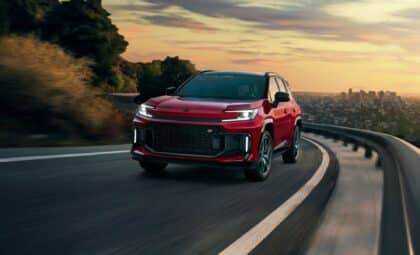
Despite his enthusiasm for high-performance vehicles, Toyoda is fully aware that Toyota’s long-term success depends on more than just niche sports cars. Mass-market models like the RAV4 and Corolla continue to be the company’s bread and butter, driving its financial health and supporting the development of more exciting cars. These mainstream vehicles may not generate the same buzz as the GR models, but they are crucial to Toyota’s ability to sustain its performance initiatives.
Toyota’s commitment to performance cars is not just about making a statement but about enhancing the brand’s image and attracting customers. According to Toyoda, GR models like the Yaris and Corolla may not sell in massive numbers, but they play a vital role in drawing customers into showrooms. These halo cars elevate the company’s reputation and demonstrate Toyota’s engineering prowess, even if the majority of customers ultimately purchase more practical models like the Camry or Corolla.