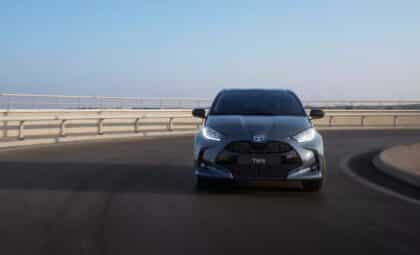
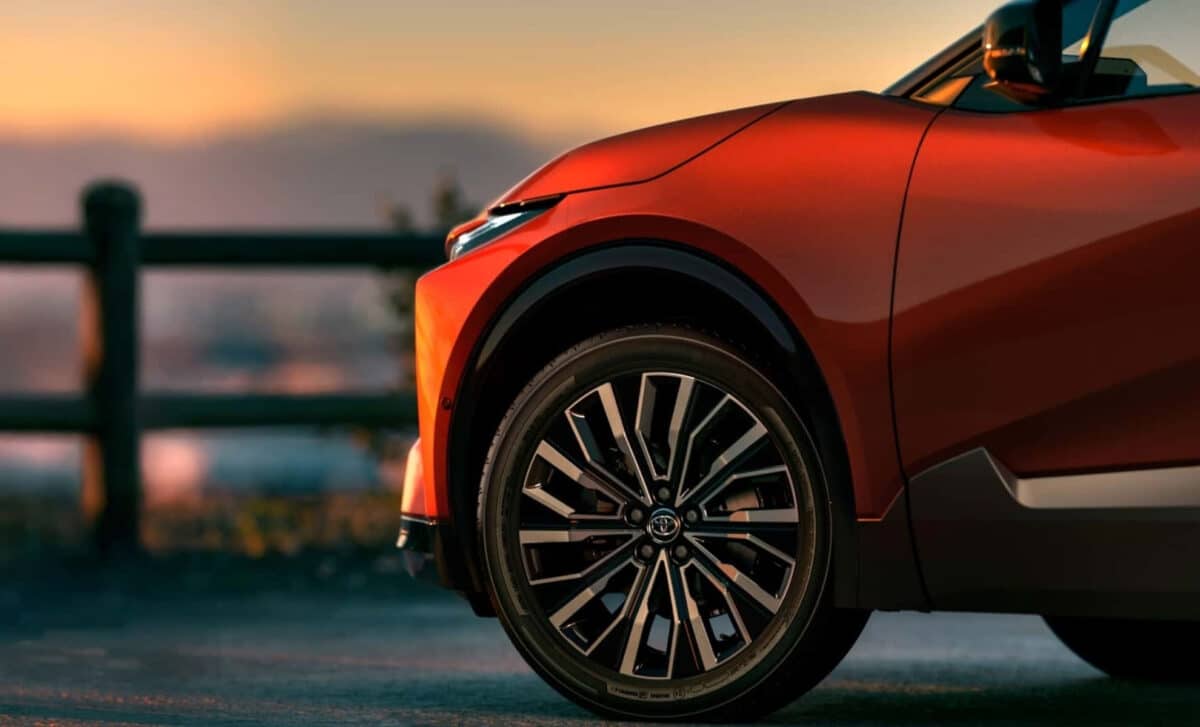
In a landscape where electric vehicles are no longer novelties but necessities, Toyota is finally expanding its electric range in the U.S. after years of restraint. And yet, the latest models might not come with the pricing twist some buyers had hoped for.
The announcement landed discreetly: two new EVs are on the way, the 2026 Toyota C-HR and the bZ Woodland. But what caught the attention of many wasn’t the design, the specs, or even the technology. It was the price.
A Cautious Push Into Electrics
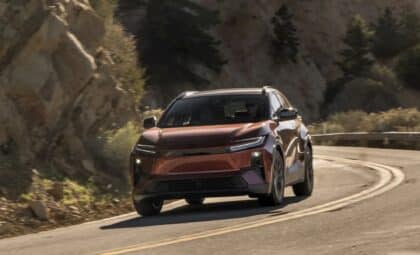
Toyota’s electric ambitions have long been a slow burn. Despite its leadership in hybrids, the brand only dipped into full EVs in 2022 with the bZ4X, now simplified to bZ, which initially disappointed on both range and charging performance. Fast forward to 2026, and Toyota is adding two crossovers to its EV family: a compact C-HR and a slightly larger, wagon-style bZ Woodland.
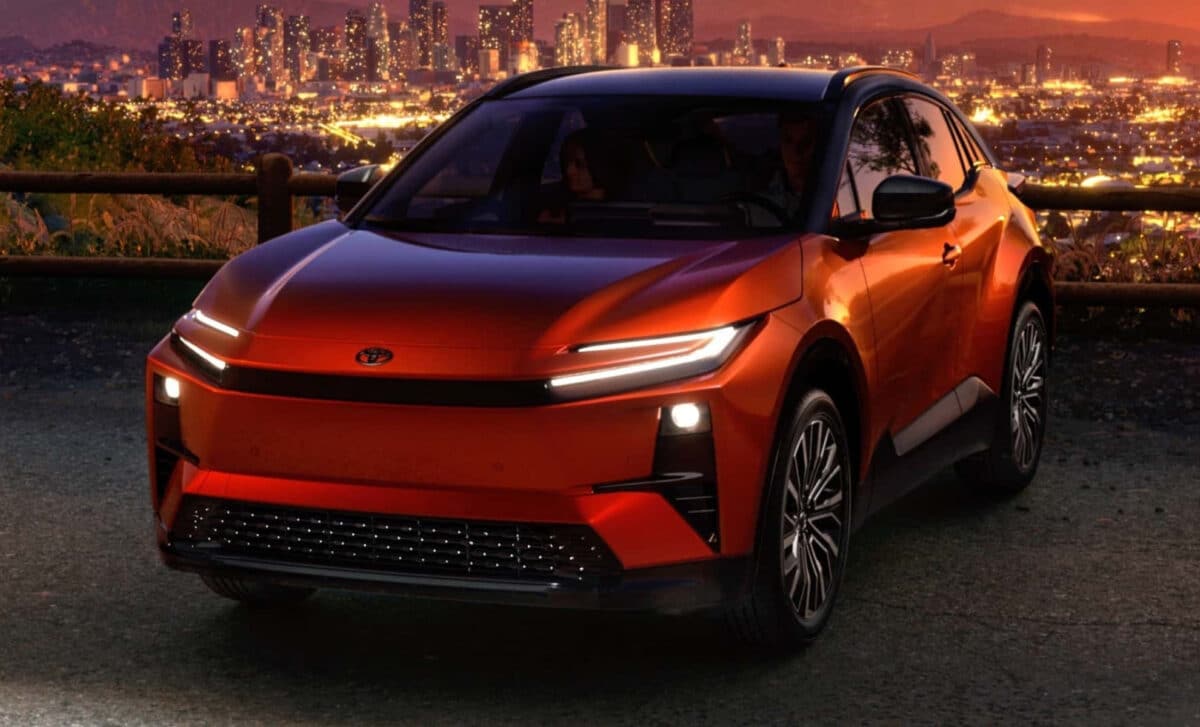
According to Toyota, the C-HR will start at $38,450, while the bZ Woodland begins at $46,750, including destination charges. That puts them above the brand’s own updated bZ, which now opens at $36,350 and benefits from improved specs.
subaru twins offer a pricing reality check
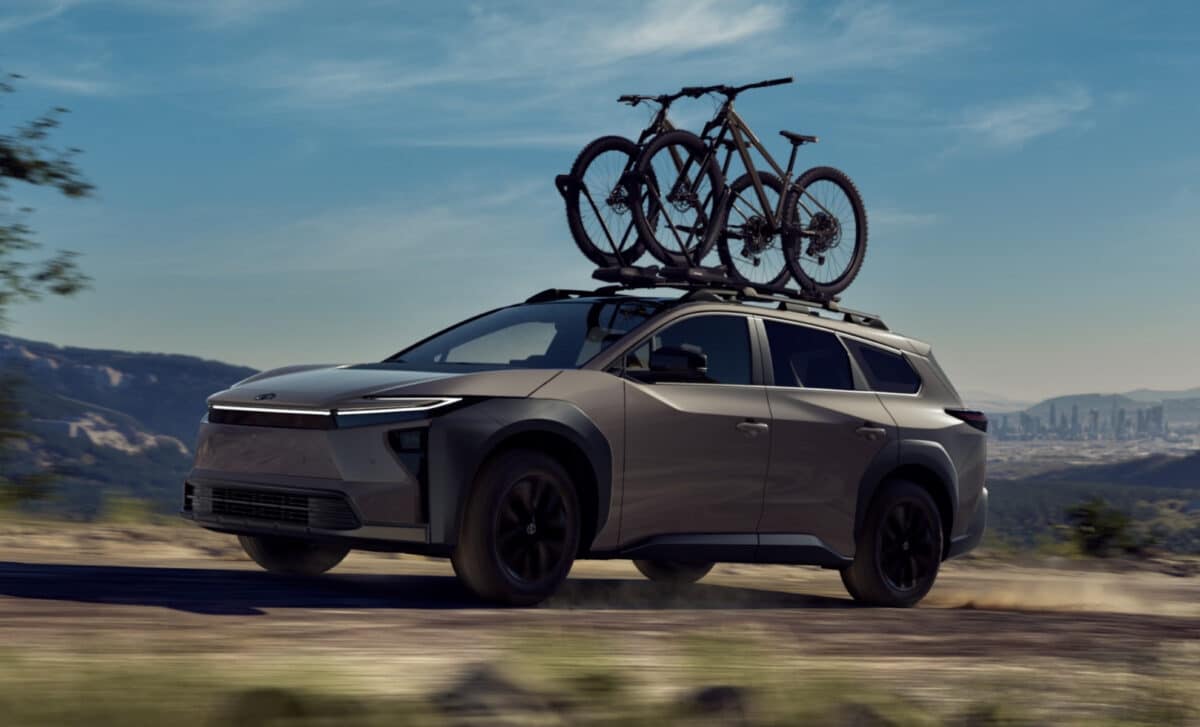
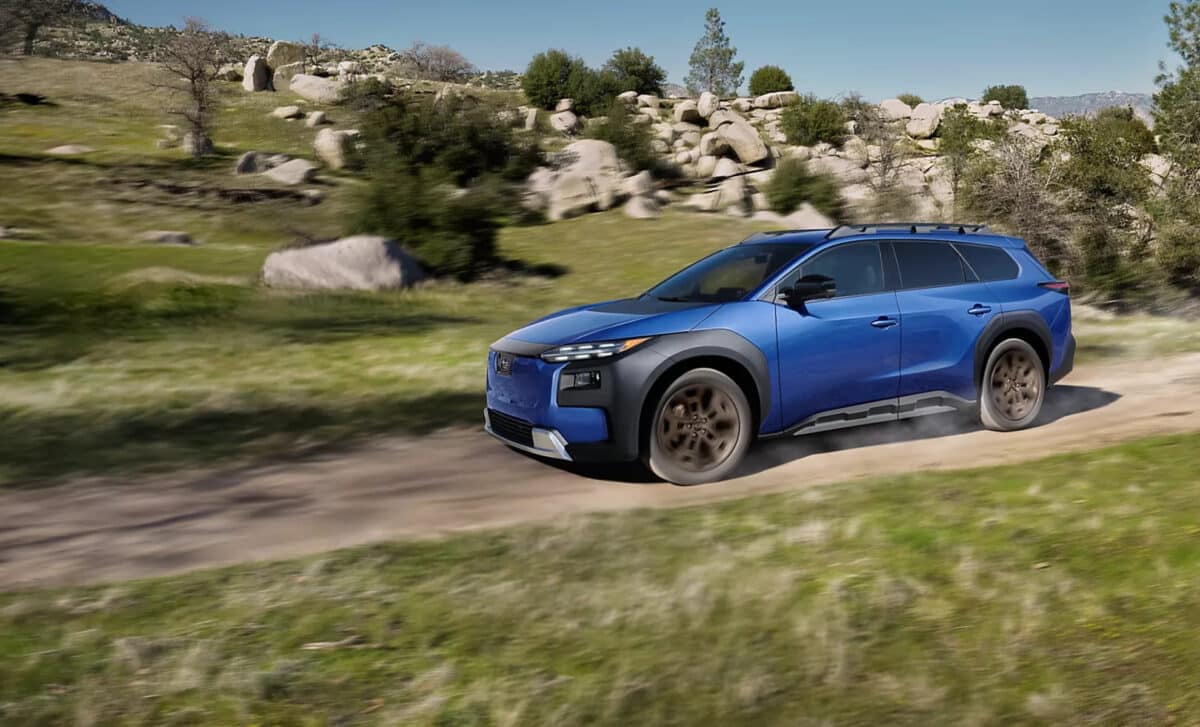
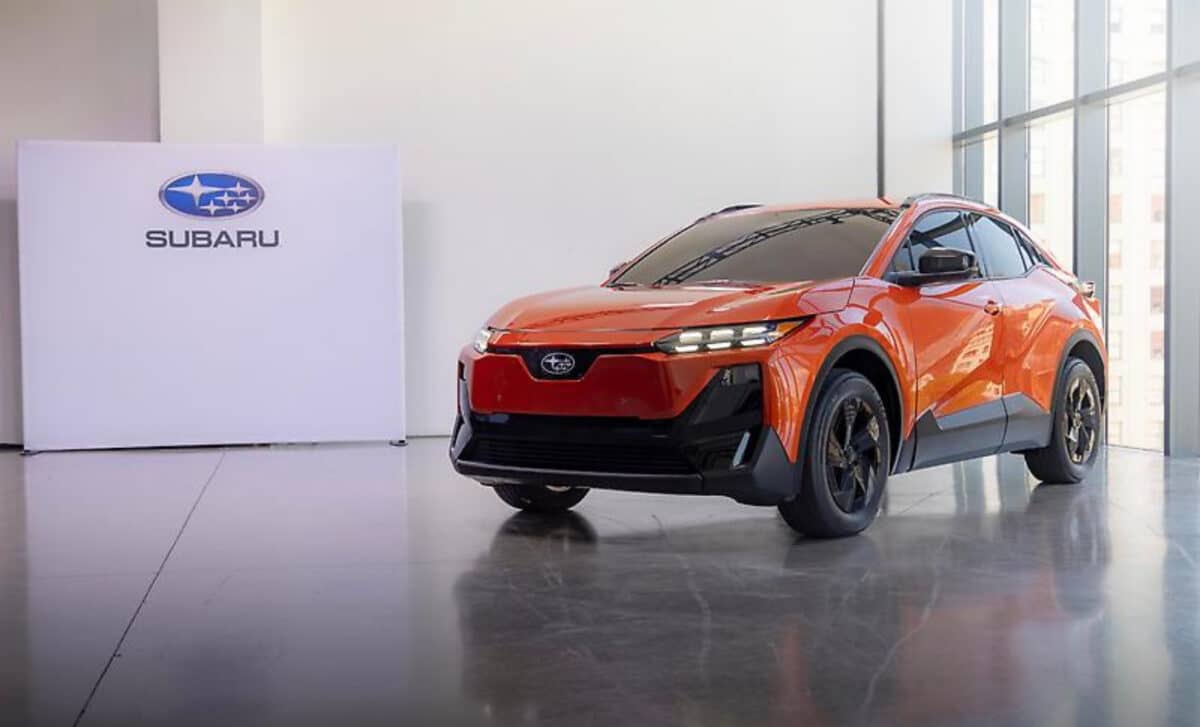
The more surprising comparison came when Toyota’s co-development agreement with Subaru came into focus. These new Toyotas each have a nearly identical cousin under the Subaru badge, the Uncharted (for the C-HR) and the Trailseeker (for the bZ Woodland). Both Subarus are significantly more affordable.
The Subaru Uncharted starts at $36,445, undercutting the C-HR, although that’s for a front-wheel-drive version. The AWD version, closer in spec to Toyota’s offering, costs $41,245. It’s a marginal difference, but it shows how pricing can tip the scales. As InsideEVs noted, Toyota declined to say whether a lower-cost, front-wheel-drive C-HR is planned.
The same pricing gap appears with the larger models: the Trailseeker begins at $41,445, nearly $5,300 less than the bZ Woodland. Car & Driver first pointed out this disparity, raising questions about Toyota’s pricing strategy in a market where affordability has become central to EV adoption.
What Buyers Get and What They Might Wait For
One could argue that Toyota’s offerings carry an extra weight of brand trust and familiarity, factors that play well with EV newcomers. Both the C-HR and Uncharted claim a range of around 300 miles, and all models now come standard with the NACS charging port, compatible with Tesla’s Supercharger network. That’s a welcome evolution for practicality.
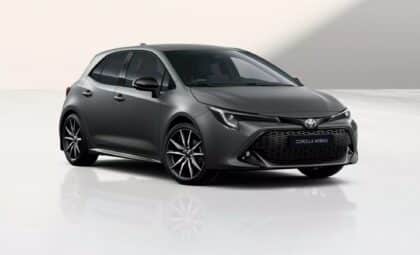
Still, if the price alone guides the decision, Subaru’s versions present a compelling case. And if you’re holding out for something even more accessible from Toyota, you may need to wait a bit longer: whispers continue around an eventual electric Corolla, which could finally bring the brand’s EVs to a broader audience.
A Slow but Steady Recalibration
Toyota’s latest EVs are not aimed at shocking the market. They’re a continuation of a conservative yet deliberate approach: keep familiar shapes, leverage partnerships, and slowly build a more rounded electric offering. That might not be exciting, but it’s undeniably Toyota.
With over 30 new EVs expected to hit the U.S. market in 2026, Toyota’s cautious entry finds itself in a noisy, fast-changing field. Reliability and brand reputation might carry it part of the way, but pricing and value will likely determine how far these new models actually go.