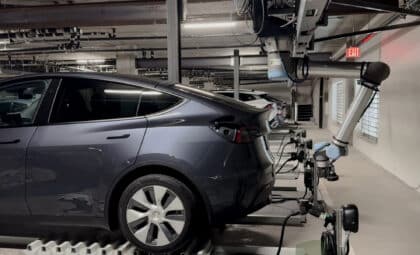

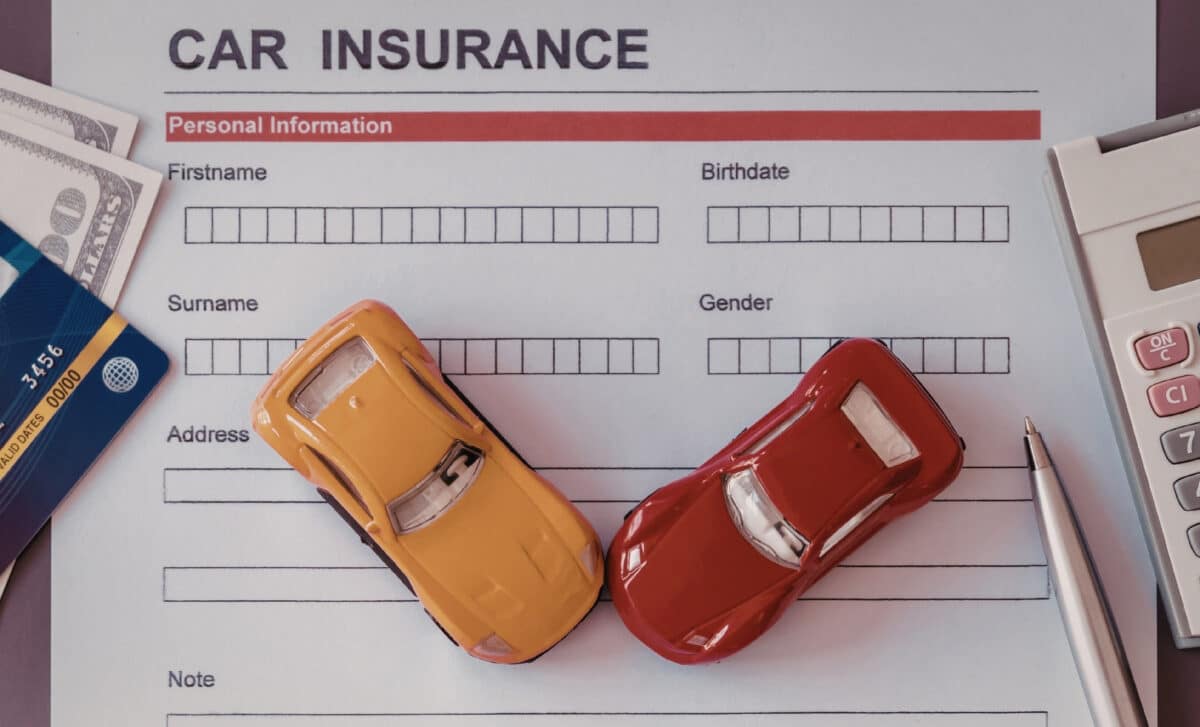
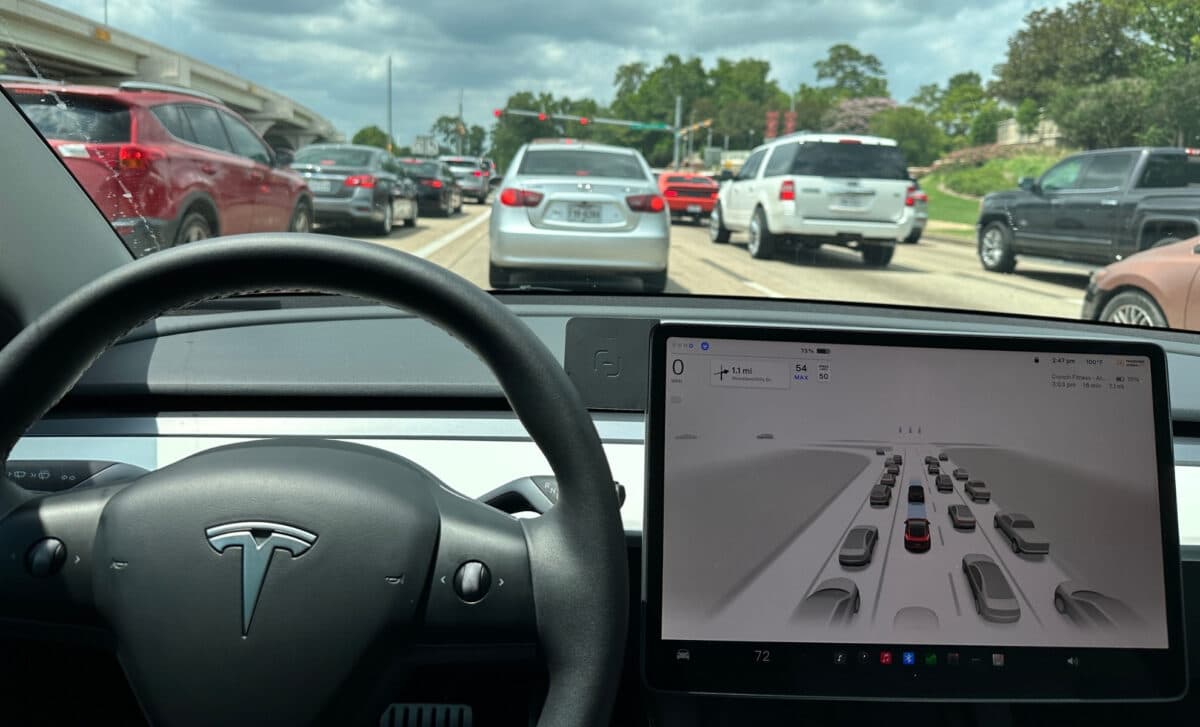
The offer was unveiled in late January 2026 and is currently being rolled out in Arizona, with plans to extend to Oregon. The proposal only targets Tesla models equipped with the Full Self-Driving (FSD) package, a supervised autonomous driving system. The deal is clear: the less the human touches the wheel, the less they pay. During periods when the car operates in FSD mode, the insurance rate per mile drops by around 50 percent.
While the Full Self-Driving feature still requires human supervision and does not make the vehicle legally autonomous, the insurance formula sends a strong message, human drivers are now seen as the bigger risk. This represents a symbolic turning point, not just in terms of cost, but in the way driving is understood and evaluated in modern transport ecosystems.
A Digital Insurer with a Data-First Model
The initiative comes from Lemonade, a US-based insurer that defines itself as a “digital company” rooted in artificial intelligence. Their approach relies heavily on real-time driving data collection. This allows for dynamic, personalized pricing based not on driver profiles but on the behavior of the vehicle’s autonomous system itself.
The company claims internal data show a “significantly lower” accident risk when the vehicle operates in autonomous mode, compared to human-driven sessions. That belief in the software goes even further than Tesla’s own in-house insurance offer, which only grants limited, conditional discounts for using FSD. Lemonade, by contrast, builds its entire rate reduction strategy around FSD engagement.
The insurer’s confidence reflects a cultural and regulatory environment unique to the United States, where experimentation with new technologies faces fewer immediate barriers. In this context, data-driven models are not just tolerated, they’re actively encouraged, especially when it comes to insurance innovation.
Legal and Cultural Hurdles in Global Comparison
The logic behind this offer would be hard to replicate in Europe. While Lemonade capitalizes on a legal framework in the US that is more accommodating of new technologies, European markets face stricter constraints, particularly concerning data protection and liability in case of accidents.
Questions about who bears responsibility during semi-autonomous driving, machine or human, remain legally unresolved in many regions. The European legal landscape also imposes more rigid barriers to the collection and use of driving data, which underpins the entire Lemonade model. In the US, Lemonade can track vehicle behavior continuously, enabling them to fine-tune premiums with a level of precision that would raise privacy concerns elsewhere.
Cultural attitudes also play a role. Americans have historically embraced risk and innovation more readily, especially in the automotive sector. This helps explain why such an insurance product could take off there while remaining largely unfeasible across the Atlantic.
A Symbolic Shift in Driver Perception
The new insurance plan doesn’t just tweak pricing models, it reframes the entire notion of risk in driving. For the first time, an insurer openly implies that the presence of a human driver increases the danger on the road. This marks a sharp departure from traditional underwriting models, which have always centered on evaluating human behavior.
Yet, despite the offer’s structure, responsibility still legally rests with the driver. Tesla itself makes clear that the Full Self-Driving feature is not autonomous in the legal sense. The driver must remain attentive and ready to intervene at any moment. The lowered premiums reflect a belief in the FSD system’s ability to prevent errors, but this confidence doesn’t translate to a legal exoneration of the human behind the wheel.
Some recent demonstrations of the FSD feature, even in Europe, have proven impressive. Still, online footage of software misjudgments leading to accidents continue to surface, reinforcing the idea that the technology remains imperfect.