
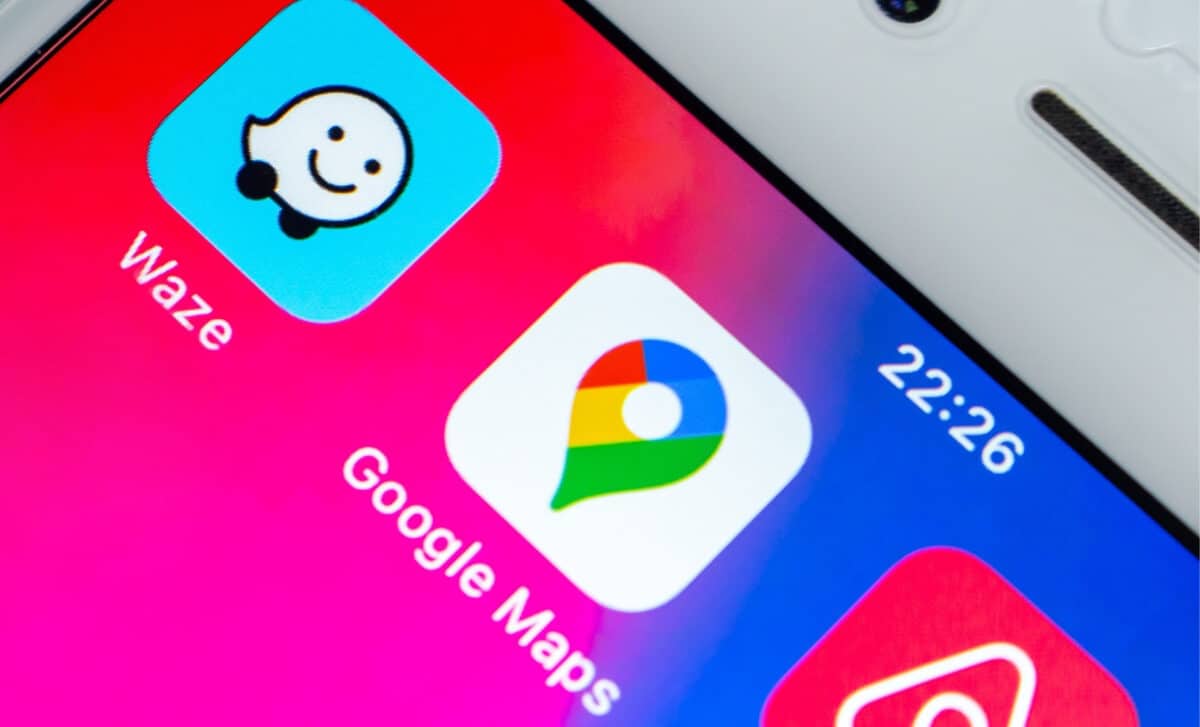
Both platforms are owned by Google, and both have evolved in parallel for years. Yet despite Google Maps absorbing more Waze-like features over time, Waze continues to stand out, not for a flashy update or a single killer tool, but for something far more fundamental: it makes traffic more predictable.
Google’s recent decisions show that it recognizes this strength. While Maps now includes several features originally developed for Waze, the two apps are still offered separately. And that separation highlights the distinct purposes each one serves.
From Feature Overlap To Platform Expansion
When Google Maps introduced incident reporting in 2019, it was widely seen as the beginning of a merger between the two services. The move brought some of Waze’s core tools, like hazard flagging, into the mainstream. But those functions remained limited, only available on mobile apps for Android and iOS, and confined to basic alerts like speed cameras or roadworks.
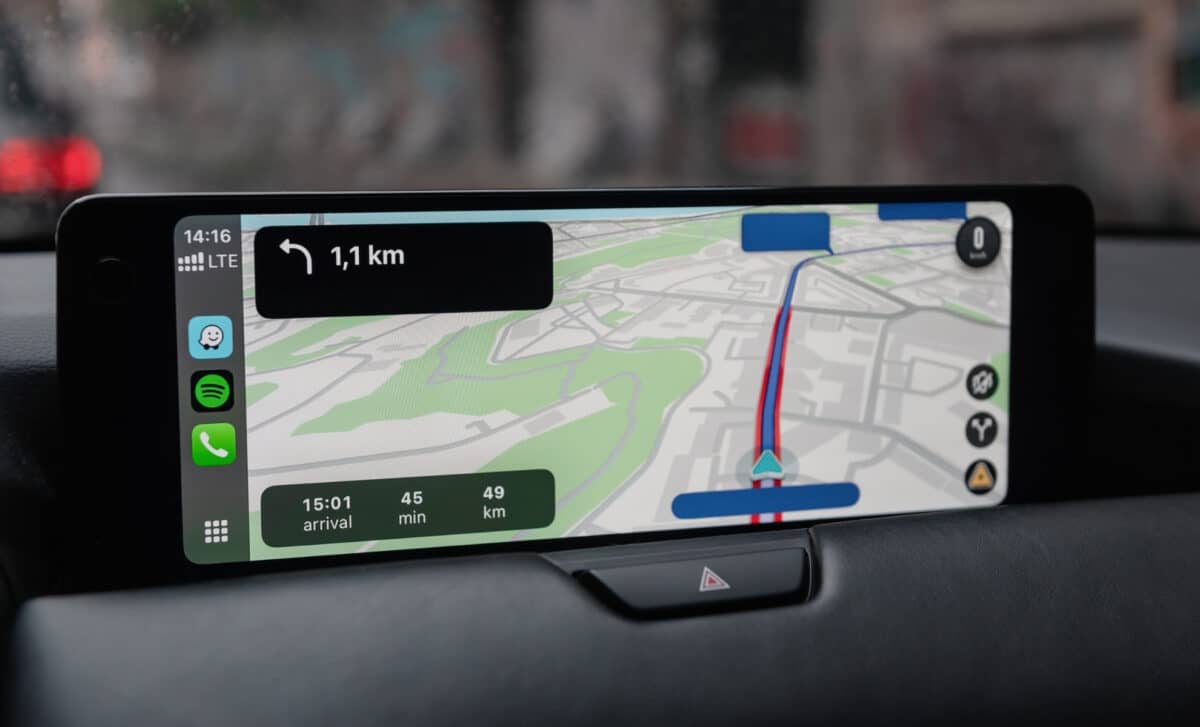
The integration deepened in 2024. Incident reporting finally expanded to Android Auto and Apple CarPlay, putting Waze-like tools directly into vehicle infotainment systems. Additionally, Google Maps began displaying Waze’s police reports, further blurring the lines between the platforms.
Still, there was no full unification. Google appeared to be managing the evolution of both apps carefully, likely to avoid one cannibalizing the other’s user base. Yet the company’s willingness to bring Waze-powered alerts into Maps was a clear sign of Waze’s perceived superiority in certain areas.
The Human Factor Behind Waze’s Real Strength
While both apps help drivers get from point A to point B, Waze delivers something Google Maps still lacks: a higher level of predictability in unpredictable environments. Traffic is inherently unstable. Drivers react differently to road changes, whether it’s a pothole, a speed bump, or a sudden speed limit drop. These unpredictable moments lead to abrupt braking, congestion, and, sometimes, collisions.
Accidents often trigger chain reactions. When one occurs, drivers tend to slow down to watch, clogging traffic and increasing the risk of more crashes. This is where Waze becomes essential: by letting users report incidents in real time, it gives others a chance to adjust their driving early, before reaching the problem spot.
These aren’t just isolated cases. Any hazard, from a broken traffic light to a vehicle pulled over, can be flagged. The benefit lies not just in alerting, but in how early those alerts come. Waze gives drivers a notification when they’re approaching an issue, offering them extra time to react and increasing overall safety.
Powered By Community, Refined By Design
What makes this work is Waze’s vast and active user base. Millions of drivers share road updates constantly, feeding the platform’s ability to keep things current. Every time someone flags a new incident, the data doesn’t just stay local, it contributes to a system designed to inform everyone else nearby.
This network of contributors is what keeps Waze ahead of the curve. It’s not just the volume of reports, it’s how the app is built to encourage and process them. For instance, conversational reporting lets users submit alerts with minimal distraction, addressing safety concerns about interacting with a screen while driving.
Google Maps may be catching up in feature count, but it doesn’t replicate this real-time crowd-sourced model at the same level. Its alerts still feel more static, while Waze users operate more like a team, informing each other as road conditions change.
Two Apps, Two Strategies And No Clear Merger In Sight
Despite their overlapping functions, Waze and Google Maps maintain separate identities. Waze remains more reactive, built around immediate road updates, while Google Maps leans toward comprehensive navigation and location services. Whether a full merger is planned remains unclear.
Google is walking a fine line, adding Waze features to Maps without making either app obsolete. The company’s hesitation likely stems from avoiding user migration or confusion, especially as each platform appeals to slightly different driving styles.
Meanwhile, other players haven’t caught up. Apple Maps, for example, still lacks broad rollout of its detailed city experience, limiting its global relevance. In that vacuum, Waze continues to offer the clearest advantage: not just knowing how to get somewhere, but understanding what to expect on the way.