
Once unmatched, Tesla’s dominance is now being tested, especially as the Model Y sees a significant drop in market share.
In a year marked by shifting market dynamics, Tesla experienced one of its first serious setbacks in Europe. While the brand once reigned supreme, 2025 saw a 30% decline in Model Y sales across the continent during the first eleven months. Tesla’s market erosion comes not from falling EV interest, quite the opposite, as overall electric sales grew by 27%, but from a realignment of consumer preference. European buyers are clearly willing to go electric, just not necessarily with Tesla.
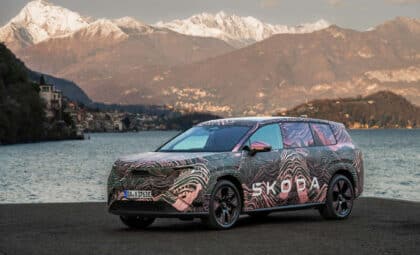
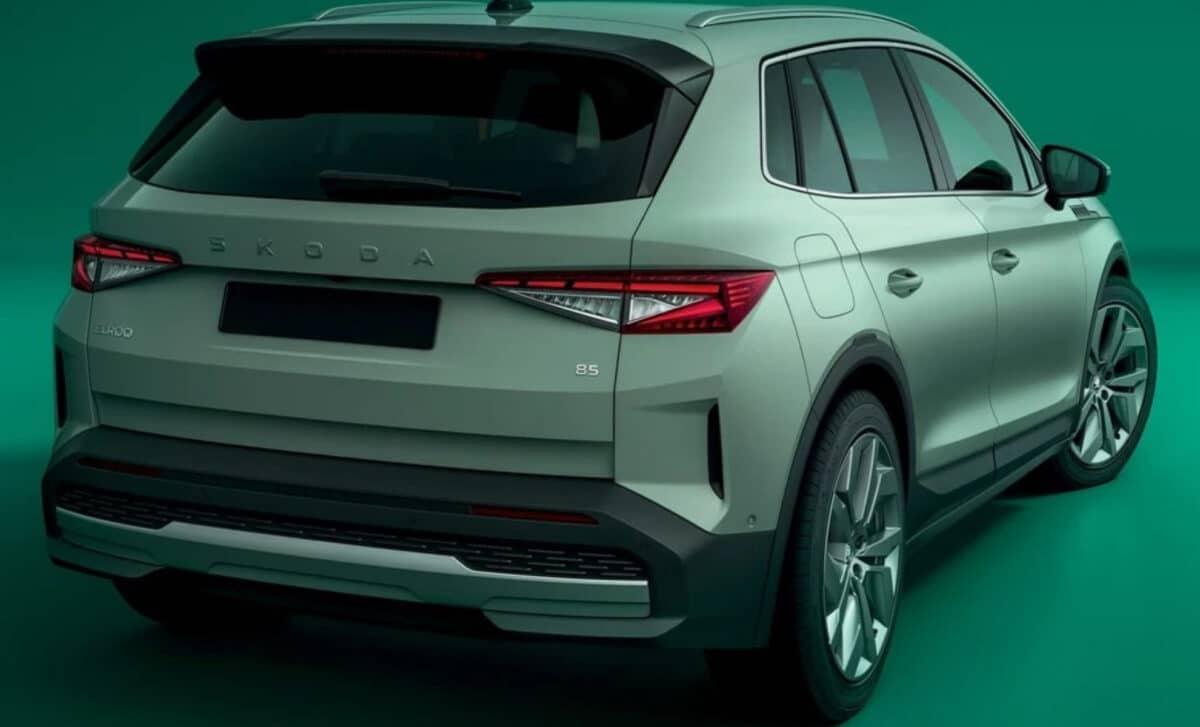
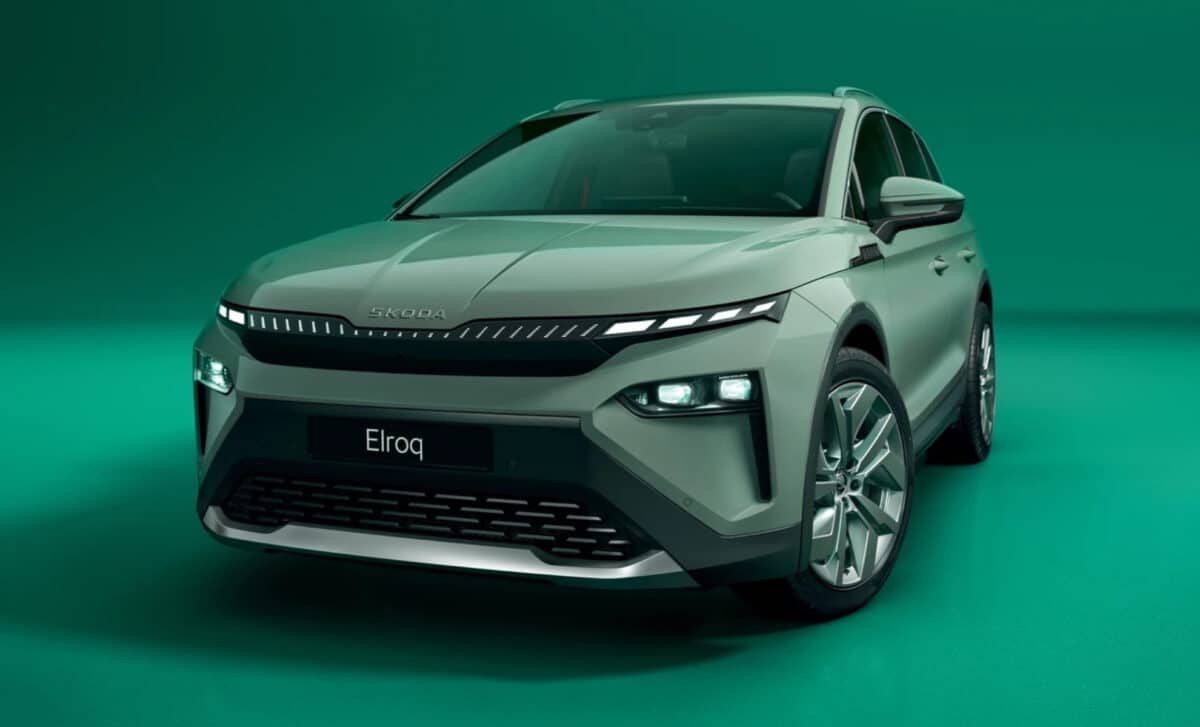
At the same time, brands like Skoda, once seen as traditional and conservative, are now gaining ground. The Elroq, derived from the Volkswagen ID.3, delivered a mix of familiar dimensions, improved driving range, and competitive pricing, features that appeal strongly to a European audience still adapting to the full transition from combustion engines to electrics.
Skoda’s Elroq Fills The Gap Left By Tesla
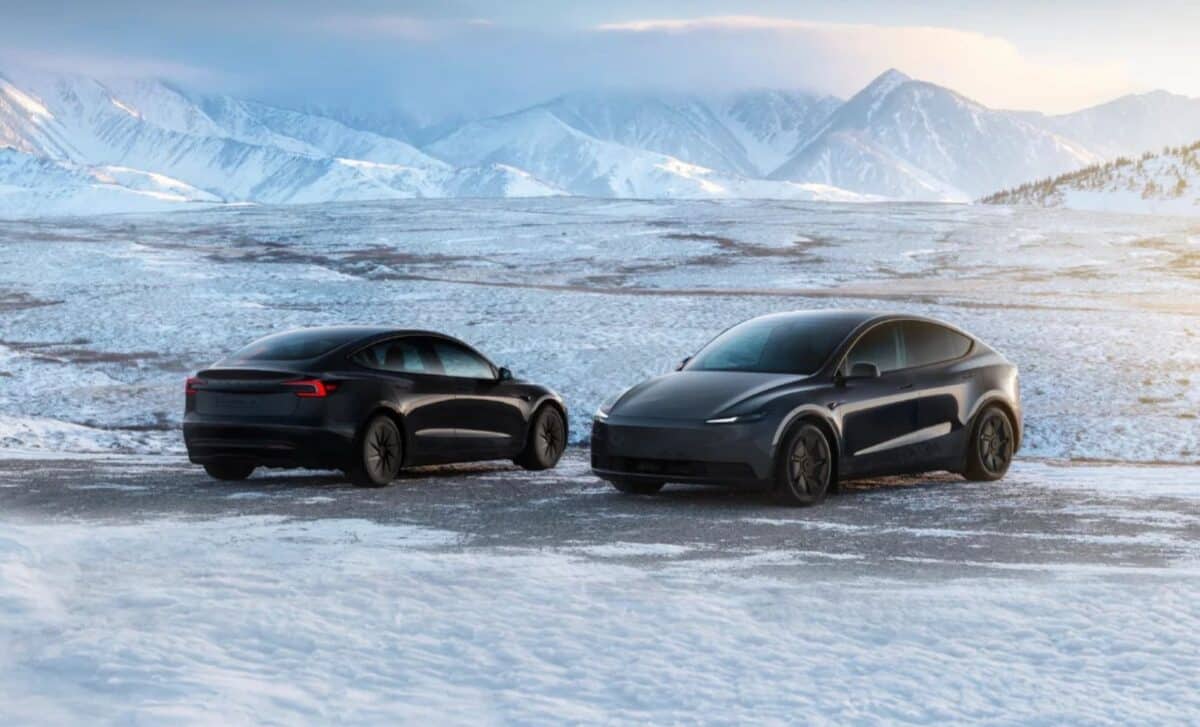
One of the key reasons for the Elroq’s breakthrough is its compact size and practical design, which better match European roads and customer expectations. The Elroq measures 4.48 meters, making it far more suited to urban environments than Tesla’s Model Y, which stretches to 4.79 meters and carries what the publication describes as a “very American” profile.
The Model 3, another Tesla option, lacks a hatchback and is also notably longer and less practical for family use. Tesla’s anticipated Model 2, originally seen as the answer to this market gap, never came to life. The Elroq, on the other hand, stepped in to meet that exact need, offering a hatchback, usable cargo space, and a driving range that satisfies daily and long-distance use.
Its success isn’t just due to clever packaging. The Volkswagen MEB platform, which had a rocky start with the buggy launch of the ID.3, has matured. With improved reliability and better software, the Elroq benefits from years of refinement. European customers, once hesitant, are now responding positively to this evolution.
Volkswagen Group Takes A Strategic Lead
While the Volkswagen ID.3 and ID.4 struggled initially to challenge Tesla’s lead, they’ve quietly laid the foundation for a more effective EV rollout. In 2025, Volkswagen Group now holds multiple positions in the top 10 EV sellers in Europe, with Skoda’s Elroq emerging as the standout success.
The Elroq’s rise to second place in sales highlights how far Volkswagen Group has come since the post-COVID years when Tesla’s low-cost strategy dominated the headlines. Back then, the Model Y was the best-selling car in Europe, regardless of fuel type, in 2023. But today, that record feels distant. The Elroq’s rapid climb in rankings suggests that European buyers are increasingly confident in homegrown brands that better align with their needs and driving conditions.
Furthermore, despite the Elroq trailing the Model Y by 46,000 units, it has already attracted a significant number of former Tesla customers. This momentum could shift the balance even further in 2026.
Pressure Mounts In The Premium Segment
The Skoda Elroq isn’t the only story from 2025. The premium EV segment also saw significant movements. BMW’s iX1 maintained a strong position throughout the year, while Audi’s Q6 e-tron surprised analysts by finishing third in sales with 42,000 units sold between January and November.
Meanwhile, Volvo’s EX30, which had been a top contender earlier in the year, suffered a 40% drop in sales across Europe. The reason? The Swedish SUV likely lost ground due to aggressive pricing tactics from competitors, particularly BMW, whose iX1 leases were unusually low.
The article raises the question of whether this aggressive pricing will hold. Offering deeply discounted leasing deals might attract customers in the short term, but the long-term risks are unclear. With lease returns expected soon, manufacturers could face issues with residual values and fleet overstock, especially if resale demand doesn’t match the volume of returns.
As this high-stakes battle unfolds, it reveals how volatile and competitive the EV space has become, even for long-established premium brands.
European Tastes Are Reshaping The EV Market
The Skoda Elroq’s emergence as a top seller highlights a deeper change: European drivers want electric cars tailored to their habits, roads, and lifestyles, not just high-tech statements. Tesla’s once-unquestioned dominance is starting to falter in the face of well-targeted competition that doesn’t overpromise or overengineer.
Tesla still holds a clear advantage with its Supercharger network, but that edge may not be enough to maintain its leadership. The Elroq’s success shows that a modestly sized, well-equipped, and reasonably priced vehicle can make a serious impact, even in a field dominated by giants.