Since the federal EV tax credit ended on September 30, 2025, the used EV market has split in two, with Tesla and the Porsche Taycan moving against the broader downward trend. The change follows the expiration of incentives worth up to $4,000 for qualified used EVs and up to $7,500 for new ones. In the months since, pricing data shows a clear divide between brands, reshaping the competitive landscape for buyers and sellers alike.
According to a study by iSeeCars, which analyzed more than 1.7 million one- to five-year-old used cars sold in September 2025 and January 2026, average used Tesla prices rose 4.3% after the credit ended. Over the same period, prices for nearly every other used EV brand fell by an average of 3.6%.
Tesla Defies the Broader Used EV Downturn
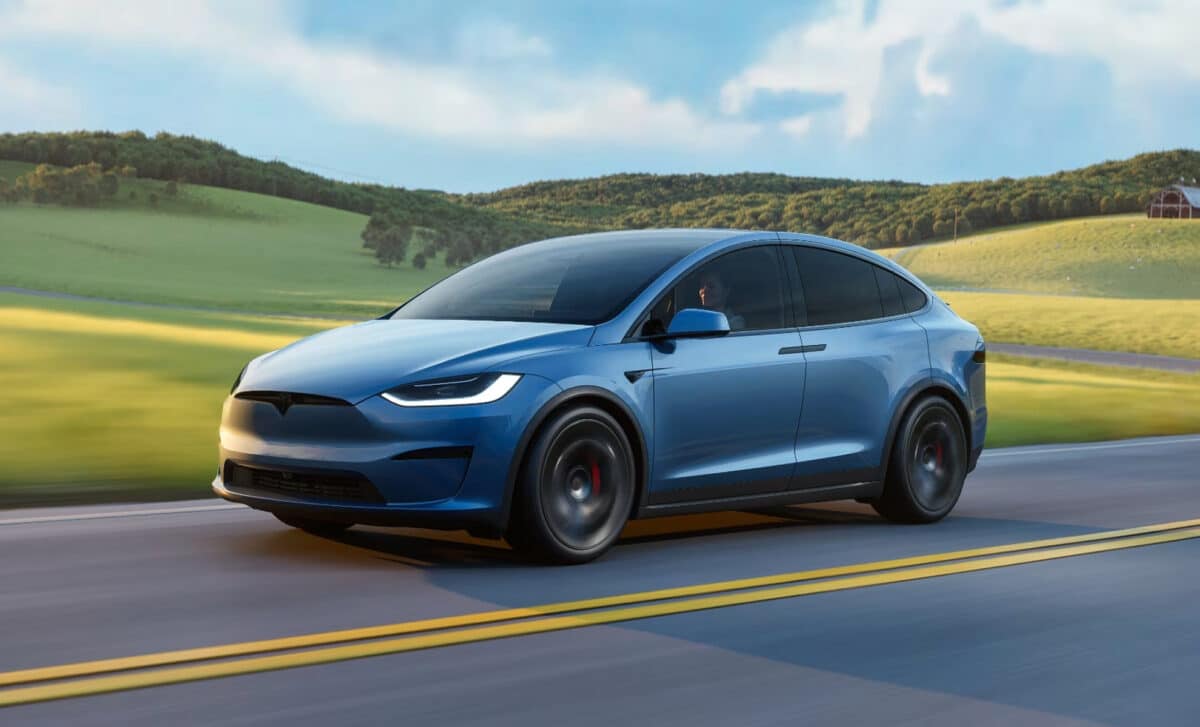
On average, a used Tesla now costs $31,329, compared with just over $30,000 a few months earlier. The increases affect nearly every model in the lineup. The Tesla Model 3 rose 2.6%, from $25,061 in September to $25,701 in January. The Model Y climbed 1.3%, from $29,603 to $29,989.
The largest gains were recorded among higher-priced models. The Model X increased 10.3%, moving from $51,973 to $57,306. The Model S rose 8.5%, from $47,226 to $51,249. The Porsche Taycan also saw prices climb 4.1%, from $74,465 to $77,552.
Karl Brauer, executive analyst at iSeeCars, said demand for Tesla vehicles remains strong in the used market. According to Brauer, there is “a large, loyal Tesla fan base in the new and used car world,” even after what he described as political turbulence related to CEO Elon Musk’s involvement in the Trump administration. He added that the pricing trends suggest Tesla’s loyalty on the used market is stronger than almost all other electric brands and models.
High-Volume Electric Models See Notable Price Drops
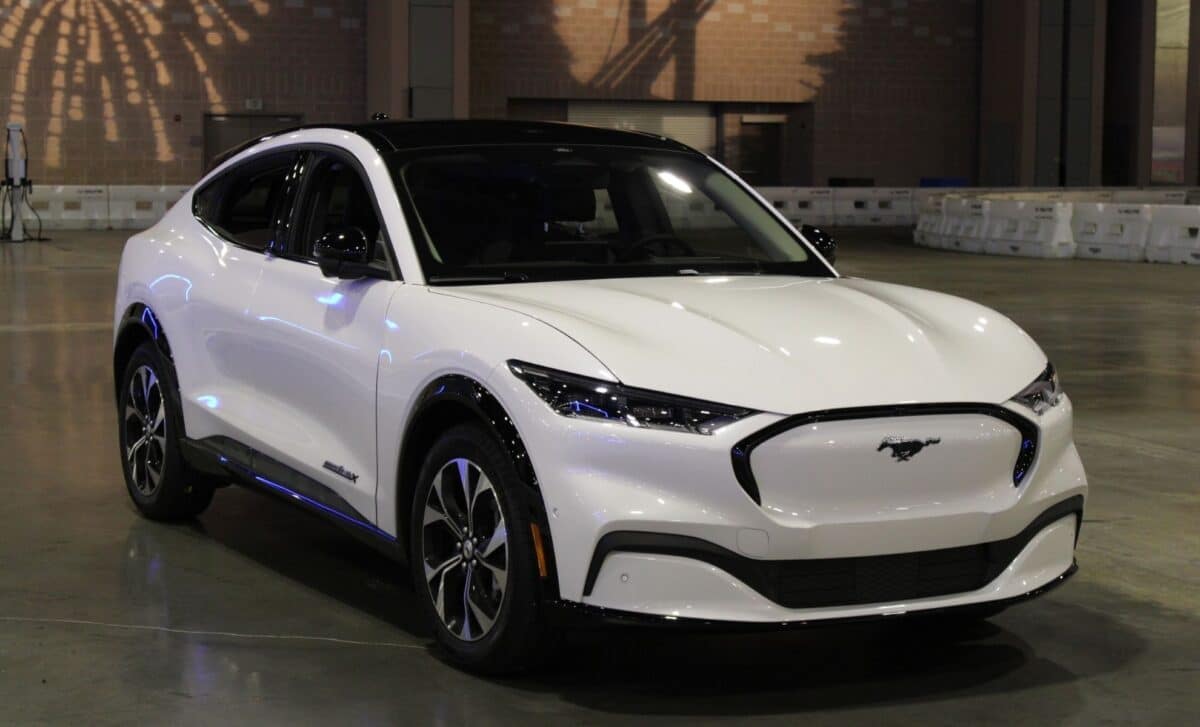
While Tesla models gained value, several mainstream EVs recorded declines of more than 5%. The Ford Mustang Mach-E fell 5.1%, from $30,575 in September to $29,014 in January. The Hyundai Kona Electric dropped 6.4%, from $21,020 to $19,678. The Nissan Leaf declined 4.6%, from $16,360 to $15,606. The study also noted that models such as the Volkswagen ID.4 and Kia Niro EV experienced similar downward pressure.
According to Brauer, lower-cost electric vehicle pricing has not fared well since the EV credit expired. He said non-Tesla EVs likely require lower prices to attract buyers, especially after the loss of federal incentives. In contrast, Tesla buyers tend to be more dedicated to the brand and less sensitive to price fluctuations.
The iSeeCars study considered only EVs that have been in production for at least four years. As a result, Ford was the only U.S. automaker represented, with the Mustang Mach-E included. Low-volume and heavy-duty vehicles, such as the GMC Hummer EV, were excluded. The Ford F-150 Lightning was also not part of the analysis because it went on sale in spring 2022.
A Shifting Market Shaped by Incentives and Supply
The end of the federal EV tax credit on September 30 affected both new and used markets. New EV prices have declined 2.3%, particularly for models such as the Chevrolet Equinox EV and Hyundai Ioniq 5, which were repriced to remain competitive.
According to the iSeeCars findings, used EV prices overall increased 3.5% between September and January, while used gasoline vehicle prices fell 2%. The average price of a used gasoline vehicle dropped from $31,900 in September to $31,249 in January. The report notes that Tesla’s pricing gains largely drove the overall increase in used EV prices, given the brand’s significant share of the market.
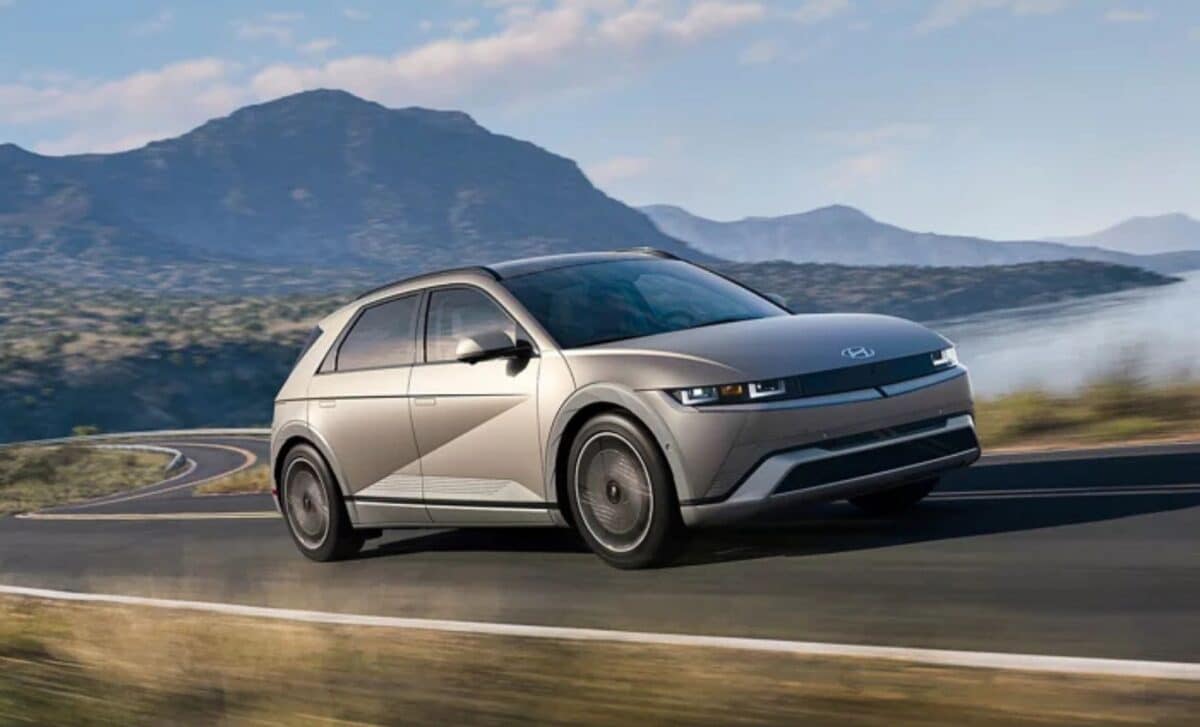
Brauer also pointed to a wave of EV leases signed between 2023 and 2025. As those leases expire, more vehicles are expected to enter the used market. He said this growing stream of lease returns, combined with the loss of both new and used EV credits, will create more supply than demand and put downward pressure on used EV prices.
For buyers, the current conditions present mixed signals. According to Brauer, shoppers seeking value may find competitively priced non-Tesla EVs that offer comparable range, newer styling, and more conventional interior layouts. He also noted that all electric vehicle batteries are covered by a federally mandated eight-year, 100,000-mile warranty, which can provide reassurance when purchasing a three- or four-year-old EV.