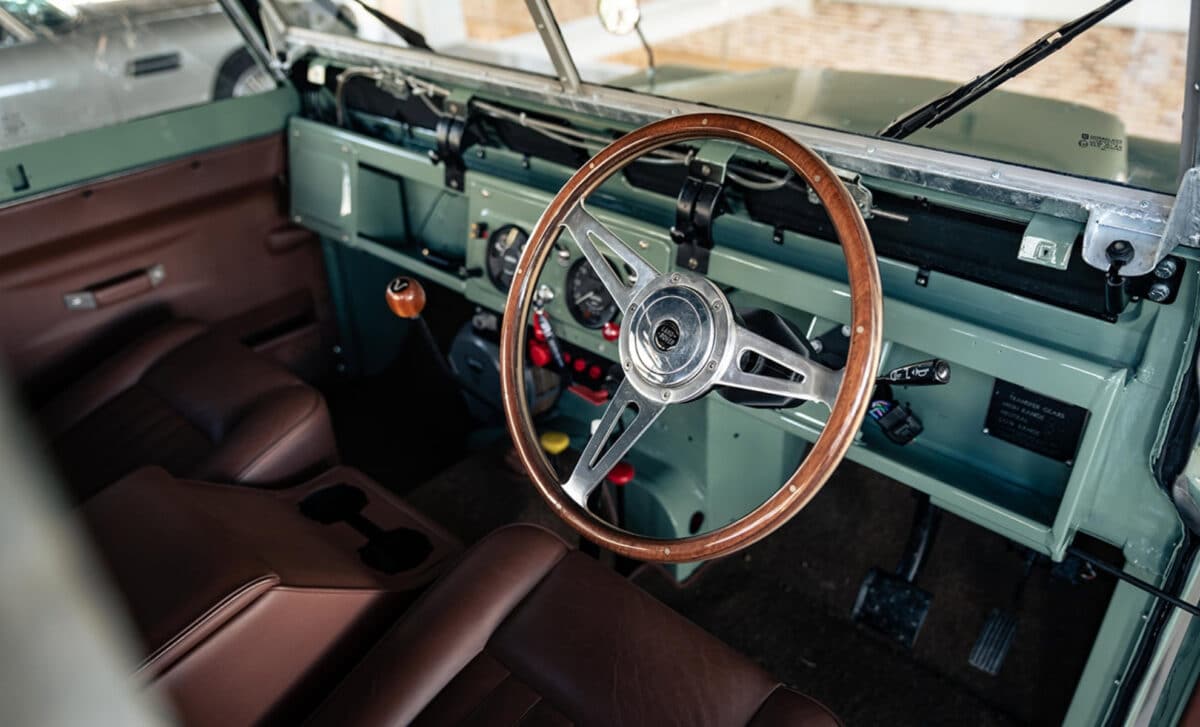
The Series IIA, produced between 1961 and 1971, occupies a unique place in British automotive history. Celebrated for its extreme mechanical simplicity and go-anywhere 4×4 capability, it became synonymous with 1960s African safaris and adventure, a vehicle as rugged as the terrain it was built to conquer. Decades on, it remains one of the most recognisable and emotionally resonant vehicles ever to roll out of Britain.
Everrati, founded in 2019 by entrepreneur Justin Lunny and based in Upper Heyford, Oxfordshire, specialises in converting classic cars to electric power using bespoke engineering. Its existing line-up of electrified icons already includes the Porsche 911 (964), Range Rover Classic, Land Rover Defender, Ford GT40, Mercedes-Benz SL Pagoda, and most recently an electric version of the classic Mini, restored and subtly reengineered for quiet, nippy city running.
Same Body, New Soul
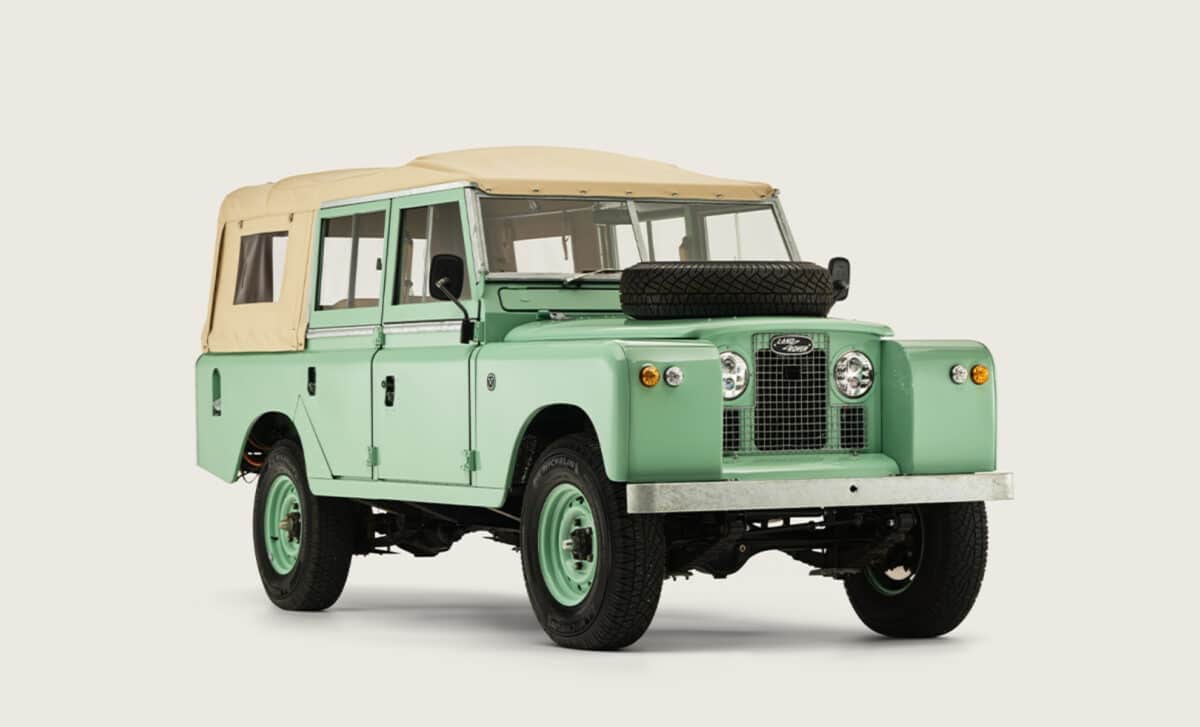
The most striking thing about Everrati’s Series IIA conversion is how little of the original has been touched, at least on the outside. The vehicle retains its distinctive design and aluminium bodywork in full. What changes is everything beneath the skin.
According to The Sun, the traditional combustion engine has been replaced by a bespoke electric drivetrain producing around 215bhp. The setup delivers instant torque from zero revs, which Everrati says improves drivability and traction while preserving the Land Rover‘s off-road capability. Unlike diesel-powered classics, the EV conversion eliminates cold-start issues entirely, the vehicle can be driven immediately after switching on.
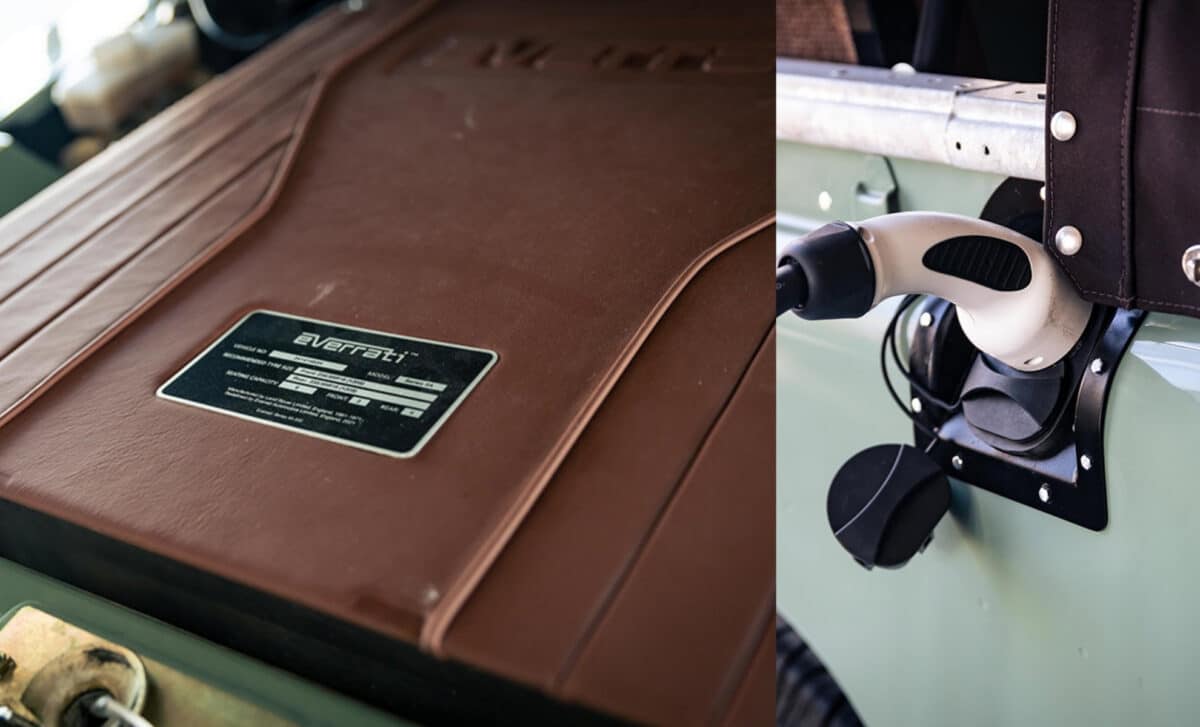
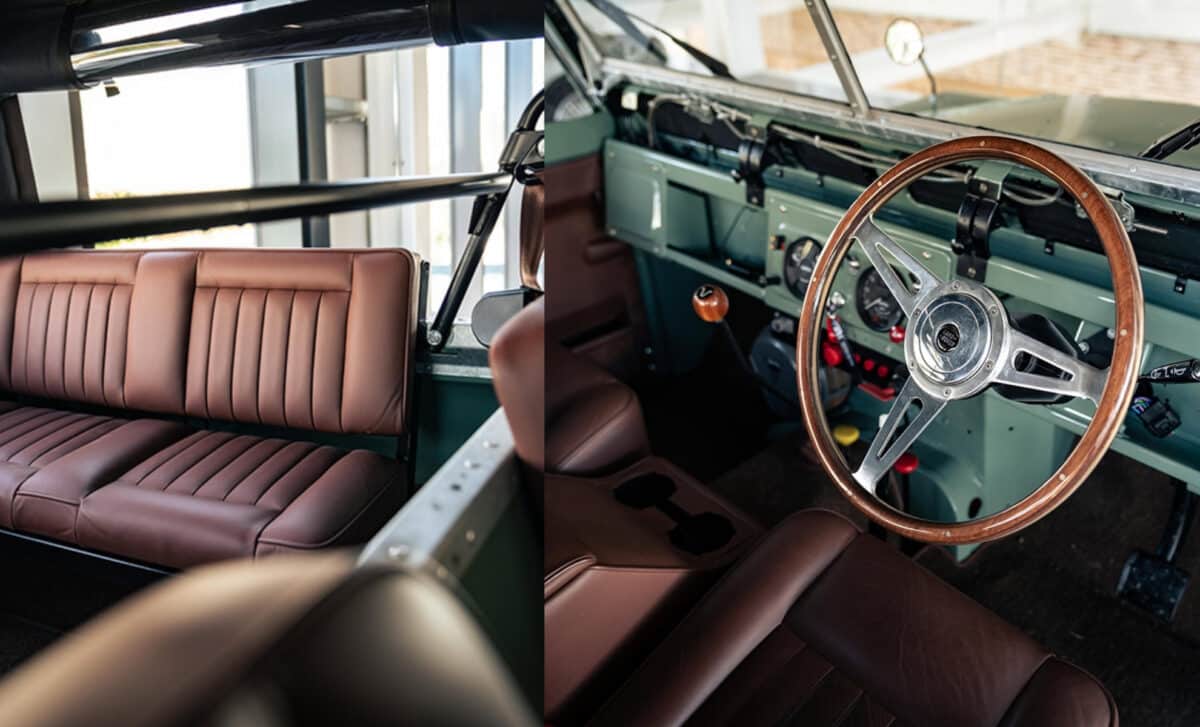
The electric setup is also paired with a set of modern comfort features that the original Series IIA never offered: high-voltage cabin heating, heated seats, and a heated windscreen. Everrati says the electrified model retains the rugged spirit that made the Land Rover famous, while bringing it in line with more modern expectations for interior refinement and low emissions.
Frozen Roads and Real-World Testing
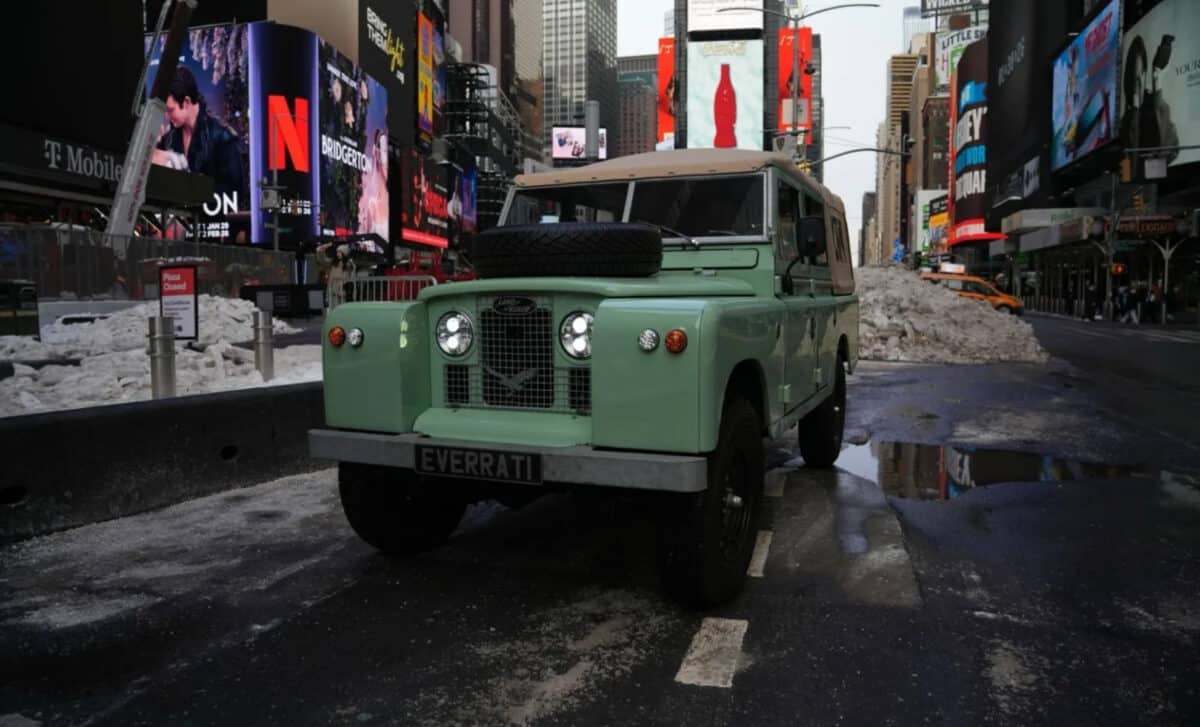
To prove the conversion’s usability beyond the workshop, Everrati took the electric Series IIA to the United States for winter drives across New York and Long Island. The conditions were demanding, freezing temperatures, slippery surfaces, precisely the sort of environment that tests both driver confidence and drivetrain reliability.
According to the company, the vehicle performed strongly throughout. The electric motor provided precise throttle control and immediate power delivery even on icy roads. The elimination of cold-start problems, a persistent frustration with older diesel classics, was a notable practical advantage in those conditions. The Series IIA, it seems, handles the cold just as well electrified as it did in its original form, arguably better.
The American demonstration was not a random choice of destination. Everrati is actively looking to push into the US market, where demand for electrified classic cars is growing among collectors. The firm has also showcased several of its conversions at recent events in Miami and California as part of its broader expansion across the United States.
A Growing Fleet of Electric Classics
The Series IIA is the latest addition to what is becoming a genuinely diverse portfolio of electrified vehicles. Everrati’s growing line-up spans decades and genres, from the sports-oriented Porsche 911 (964) to the utilitarian Defender, from the glamorous Mercedes-Benz SL Pagoda to the compact and recently revealed electric classic Mini, designed for urban use.
Each conversion is handled through bespoke engineering tailored to the specific character of the vehicle in question. In the case of the Series IIA, that meant preserving the off-road credentials and mechanical identity of a model widely considered the most iconic and robust of the classic Land Rover era, while updating it for an era of zero-emissions motoring.