
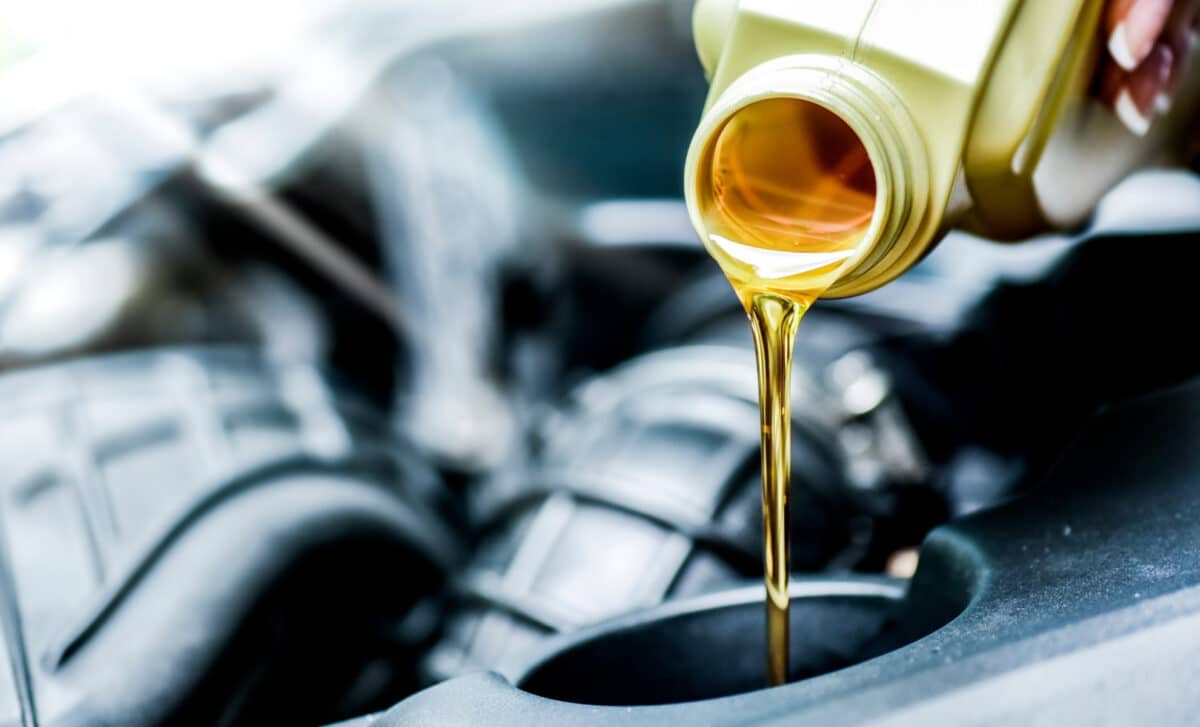
Currently available only in China, this lubricant is aimed at handling the extreme start-stop conditions these hybrid systems face, conditions that differ significantly from those of traditional combustion engines.
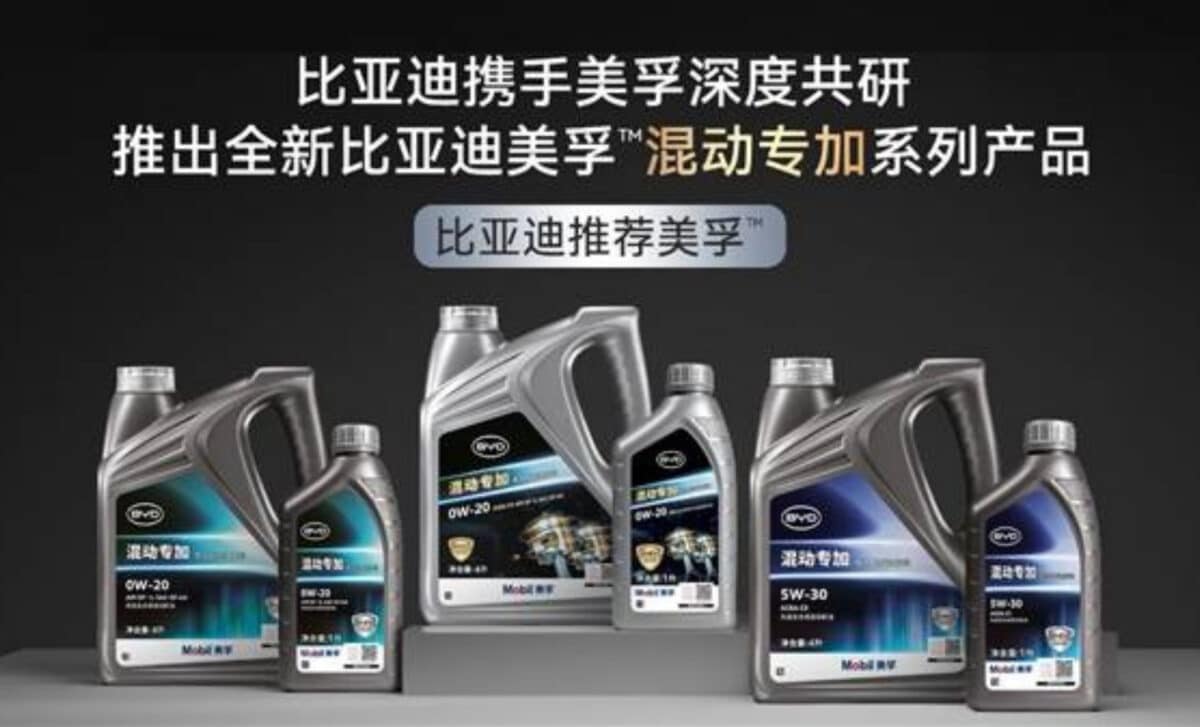
The new oil will be used on BYD’s DM-i plug-in hybrid engines, available in two grades: 0W20 and 5W30. While its creators present it as a dedicated product, the article suggests the formulation may not significantly differ from existing low-viscosity oils already used in other hybrid systems.
Over the past three decades, the engine oil market has undergone deep transformation as car manufacturers shift toward hybridization and electrification. Unlike conventional engines, hybrid systems, especially plug-in hybrids, must withstand frequent cold starts, abrupt load changes, and extended engine shut-off periods. These patterns have pushed lubricant developers to prioritize very low viscosity indexes, aiming for high fluidity and rapid engine protection on startup.
At the same time, automakers like Toyota have already introduced highly fluid oils such as 0W8 on models like the latest Yaris, further highlighting the industry-wide pivot to ultra-thin lubricants capable of navigating hybrid-specific challenges.
Plug-in Hybrids: A Tougher Job For Motor Oil
The defining challenge with plug-in hybrid engines lies in the intermittent combustion cycle. Unlike standard hybrids, PHEVs can run for long periods in electric mode alone, if properly charged. This causes the combustion engine to remain inactive for extended periods before being suddenly required to perform under load and at low temperatures.
This pattern introduces a set of high-stress conditions for lubricants. The oil must be ready to protect the engine without delay, flow quickly even when cold, and resist mechanical shear when power is suddenly demanded. The BYD–Mobil1 collaboration aims to meet these requirements, particularly for DM-i engines, though the article emphasizes the technology used is likely already common in other hybrid oils.
The decision to market it as “specialized” may reflect an intent to differentiate maintenance offerings for PHEV customers, rather than indicate an entirely new chemical composition.
When Viscosity Becomes A Strategy
Over the years, the viscosity of engine oil has continued to fall, aligning with the evolution of oil pump design and growing efficiency demands. The industry has shifted from traditional multi-grade oils to ultra-low viscosity types such as 0W20, 0W16, and 0W8, which function almost like water to ensure rapid circulation and reduced friction during cold starts.
This shift is not just technological but also strategic. Major lubricant producers like Shell, Castrol, Valvoline, and Mobil1 are responding to both engineering needs and OEM-driven marketing opportunities. By offering oils that match the latest hybrid specifications, brands position themselves alongside next-gen mobility platforms.
The launch of the Mobil1–BYD oil echoes this approach, with two grades that reflect widespread trends in the industry rather than disruptive innovation. Its commercial rollout is focused for now on Chinese service centers, where hybrid sales volumes are growing fast.
Future Reach Beyond China?
While this new lubricant is currently distributed only in China, the long-term potential for expansion is clear. Although the PHEV market remains modest in Europe, representing less than 10% of vehicle sales, similar lubrication demands exist for hybrid architectures across continents.
The article notes that the specific demands placed on range-extender electric vehicles (which use a combustion engine to generate electricity when needed) are nearly identical to those of PHEVs. This similarity could allow the same oil technology to be deployed across multiple hybridized platforms in the future.
At the same time, BYD’s new product may not represent a technological leap, but rather a logical adaptation of existing oil formulations under a fresh label.