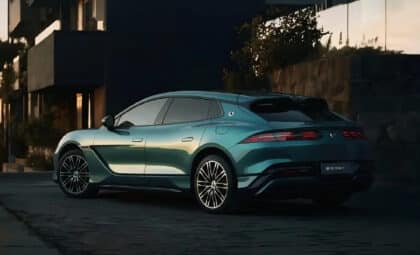

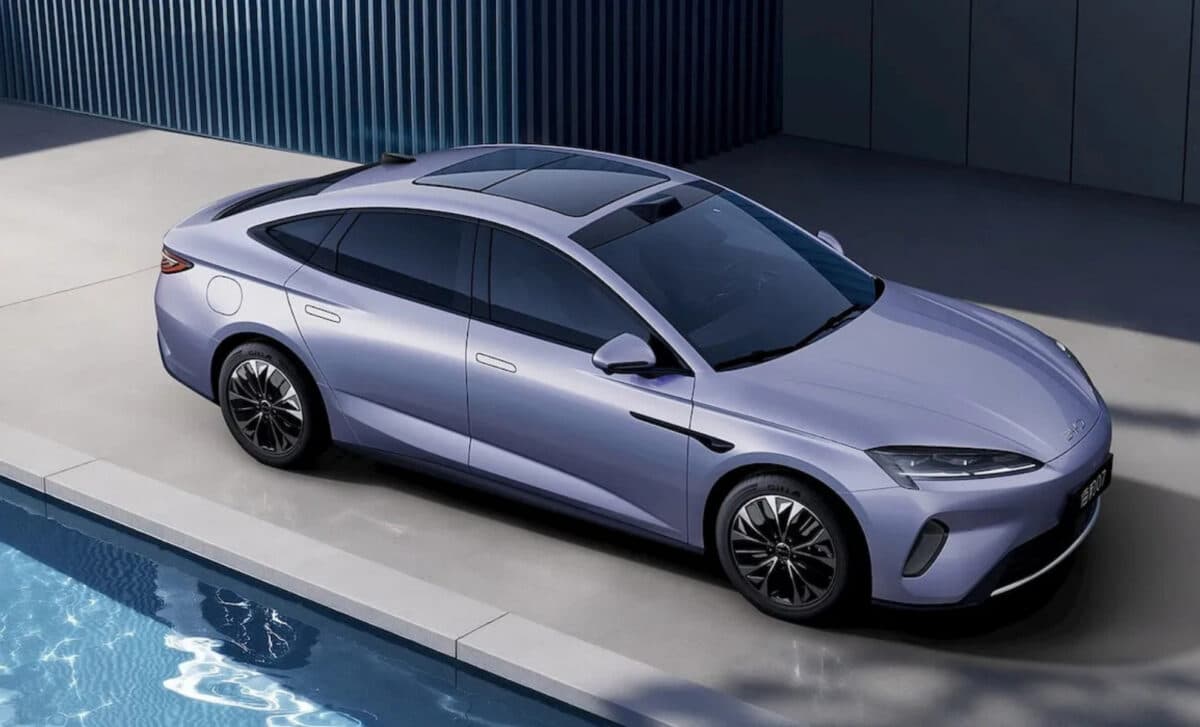
BYD is gearing up to expand its electric vehicle lineup with the upcoming Seal 07 EV, a fully electric sedan roughly the size of a Toyota Camry that boasts a driving range of 705 kilometres on a single charge.
The Seal 07 EV arrives as a sister model to the Seal 07 DM-i, the plug-in hybrid version that was introduced last year. With this new addition, BYD’s portfolio in China will soon encompass 36 different vehicles, spanning both plug-in hybrids and fully electric models. The electric sedan is poised to become a significant player in the mid-sized segment, leveraging the brand’s latest design language and advanced driving technologies.
A Familiar Silhouette with a High-Tech Twist
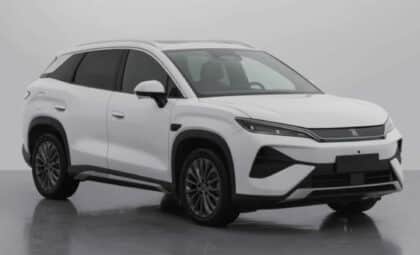
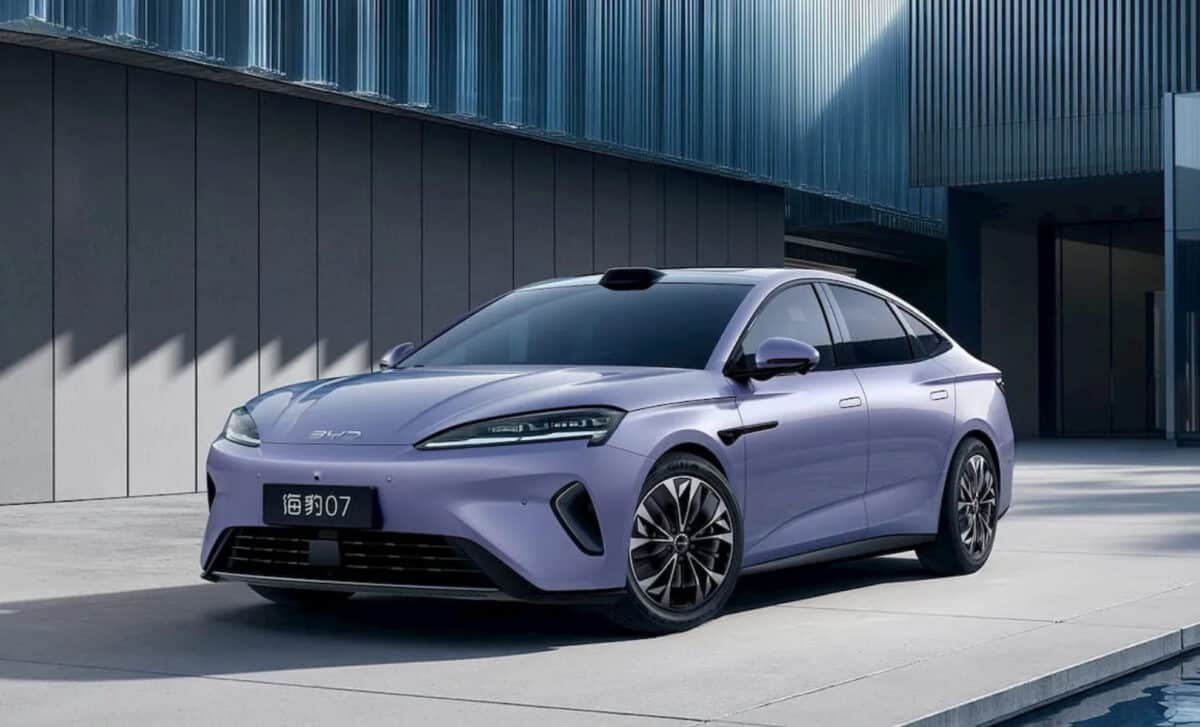
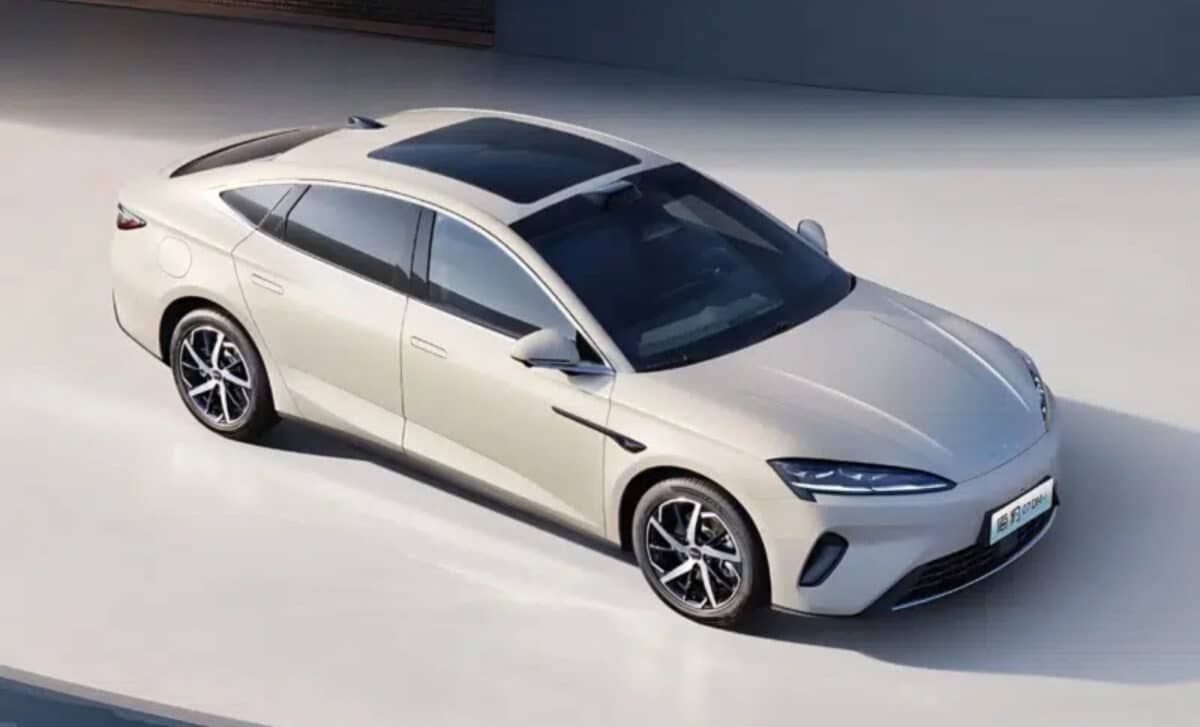
At first glance, the electric version closely mirrors its hybrid sibling. According to Electrek, the vehicle features BYD’s signature Ocean X front-end design, characterised by a low-slung bonnet, a closed-off grille, and sharply angled LED headlights. The overall aesthetic aims for a sleek, modern look that aligns with the brand’s “Ocean Aesthics” philosophy.
However, a key differentiator sits atop the vehicle. The Seal 07 EV is equipped with a LiDAR sensor mounted on the roof. This piece of hardware strongly indicates that the car will come equipped with BYD’s advanced “God’s Eye” smart-driving assistance suite.
Industry speculation, cited by CarNewsChina, suggests that the electric sedan could debut with the upgraded God’s Eye 5.0 system, which is rumoured to be officially unveiled at a BYD technology event scheduled for March 5.
Dimensions and Powertrain Details
Regulatory filings with China’s Ministry of Industry and Information Technology (MIIT) from last month have already revealed the car’s physical measurements. The Seal 07 EV is 4,995 millimetres long, 1,910 millimetres wide, and stands 1,495 millimetres tall, with a wheelbase stretching 2,900 millimetres. These proportions place it in the same size category as a traditional Toyota Camry.
Under the skin, the powertrain is designed for efficiency. The electric motor, mounted at the rear, delivers 240 kW, which translates to 322 horsepower. It draws power from a 69.07 kWh battery pack. Based on the optimistic CLTC standard, this setup enables a total driving range of 705 kilometres, or about 438 miles. Perhaps more striking than the range itself is the claimed energy consumption, which the manufacturer puts at just 10.9 kWh per 100 kilometres under the same testing cycle.
Interior Appointments and Market Positioning
Stepping inside, drivers will find an environment consistent with BYD’s recent models. The cabin features a 15.6-inch floating touchscreen that serves as the main hub for infotainment, complemented by a dedicated digital cluster for the driver. Practical touches include wireless phone charging pads and a rotary knob for certain controls, all set behind a two-spoke steering wheel.
Pricing remains an open question until the official launch event later this month. However, a benchmark exists in the form of the Seal 07 DM-i. That plug-in hybrid variant currently starts at 149,800 yuan in China, which is approximately $21,900. Given that the new EV model is positioned as a counterpart, analysts and observers anticipate its starting price to land in a similar ballpark once it hits the market.