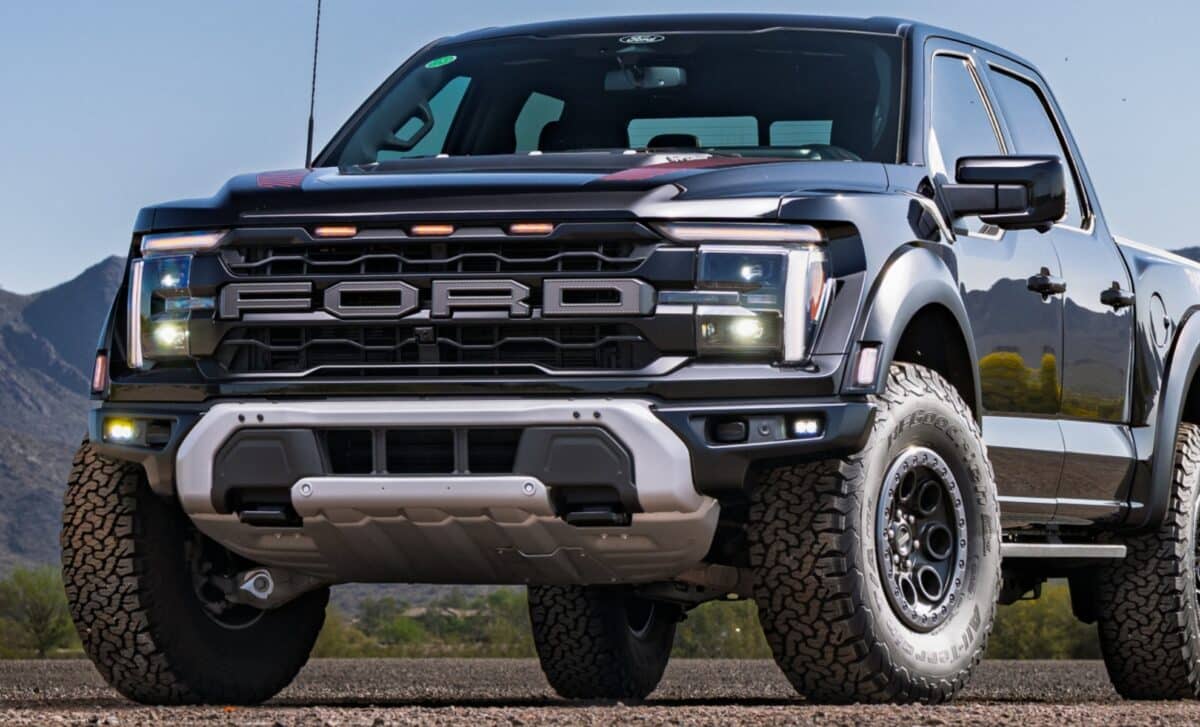
The upgraded hands-free driving technology will debut on Ford’s Universal Electric Vehicle (UEV) platform, marking a significant step toward democratizing advanced autonomous driving. The company aims to offer these features in a $30,000 electric pickup truck, making autonomy a more affordable reality for everyday drivers.
Ford’s BlueCruise, which has already seen success with over a million cars equipped with its hands-free highway driving system, is evolving into a more advanced level of automation. The introduction of “eyes-off” driving, where the vehicle can operate without the driver needing to monitor the road, will be a key feature of the UEV platform. This move is part of Ford’s broader strategy to push forward its electric vehicle (EV) development and autonomy technologies, aiming to compete with China’s rapidly advancing automakers.
Ford’s Vision for Affordable Autonomy
The announcement of eyes-off BlueCruise at CES 2026 highlights Ford’s commitment to making autonomous driving accessible to the masses. Doug Field, Ford’s chief EV, digital, and design officer, stated that “autonomy shouldn’t be a premium feature,” adding that the goal is to make Level 3 eyes-off driving available to a wide audience by 2028. Unlike other luxury vehicles offering similar technologies at much higher price points, Ford aims to incorporate this cutting-edge system into a more affordable $30,000 electric truck.
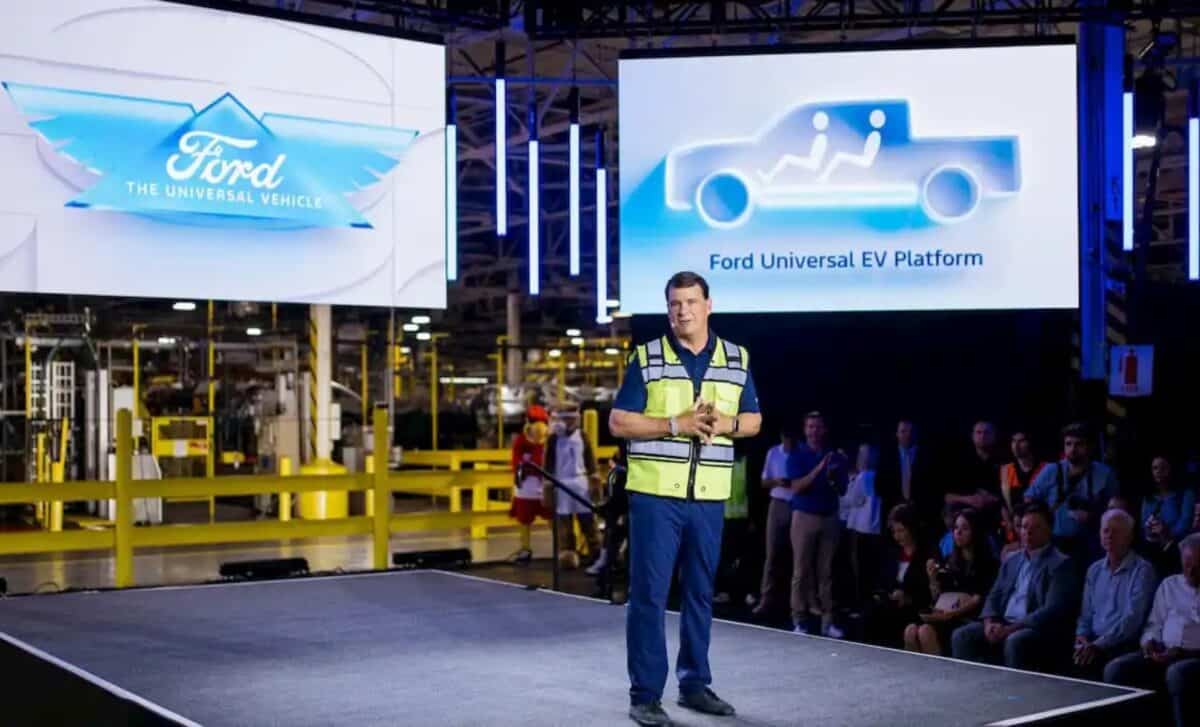
The company’s new Universal Electric Vehicle (UEV) platform, which will serve as the foundation for this innovation, is designed to offer a clean-slate approach to electric vehicles, enabling the integration of advanced technologies at a lower cost. Ford has already positioned the UEV as central to its strategy to stay competitive in the electric vehicle market, and now, it will also play a pivotal role in the company’s push toward more advanced autonomy.
Competing in the Autonomous Race
Ford’s entry into the “eyes-off” driving race places it in direct competition with other global automakers pushing to introduce Level 3 autonomous systems by 2028. According to Ford’s Doug Field, while the technology may currently be restricted to certain vehicles and high-end models, Ford’s version will be more affordable and available to a broader customer base.
Currently, Mercedes-Benz is the only automaker offering a Level 3 system in the U.S., with its limited Drive Pilot feature, and General Motors is also planning to introduce lidar-powered “eyes-off” driving by 2028. Ford, however, has not yet confirmed whether it will incorporate lidar into its system, though it is exploring various sensor options.
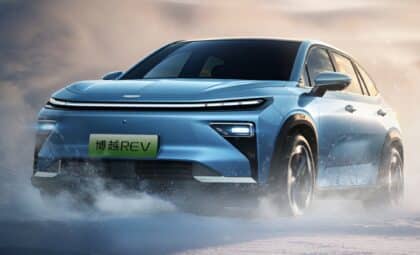
The expansion of BlueCruise to include eyes-off functionality represents a leap forward for Ford, as it aims to bring advanced driver-assistance systems (ADAS) to a larger pool of customers. The move comes at a time when the race for autonomous driving is intensifying, with competitors like China’s Geely also showcasing their advancements in this area. Ford’s focus on affordable pricing sets it apart from higher-end models like the Cadillac Escalade IQ, which is expected to debut with GM’s lidar system but will likely carry a hefty price tag of over $140,000.

AI Integration to Enhance the Driving Experience
Ford is not only focused on autonomous driving but also integrating artificial intelligence (AI) to further enhance the customer experience. Starting in 2026, Ford will integrate AI into both its Ford and Lincoln apps, enabling seamless interaction between the user’s phone and the vehicle.
This integration allows drivers to ask AI-driven questions about their vehicle and even request assistance with tasks such as determining if items will fit in the truck bed. Unlike generic AI applications, Ford’s system leverages “Ford-specific data” to provide accurate, vehicle-specific responses.

The inclusion of AI technology will also extend to new vehicles, allowing drivers to interact more naturally with their cars, whether it’s through the app or directly in the vehicle. Ford’s AI system promises to be more than just a novelty; it’s part of the company’s broader efforts to offer customers smarter, more connected experiences, bringing real-world utility to the latest technological advancements.
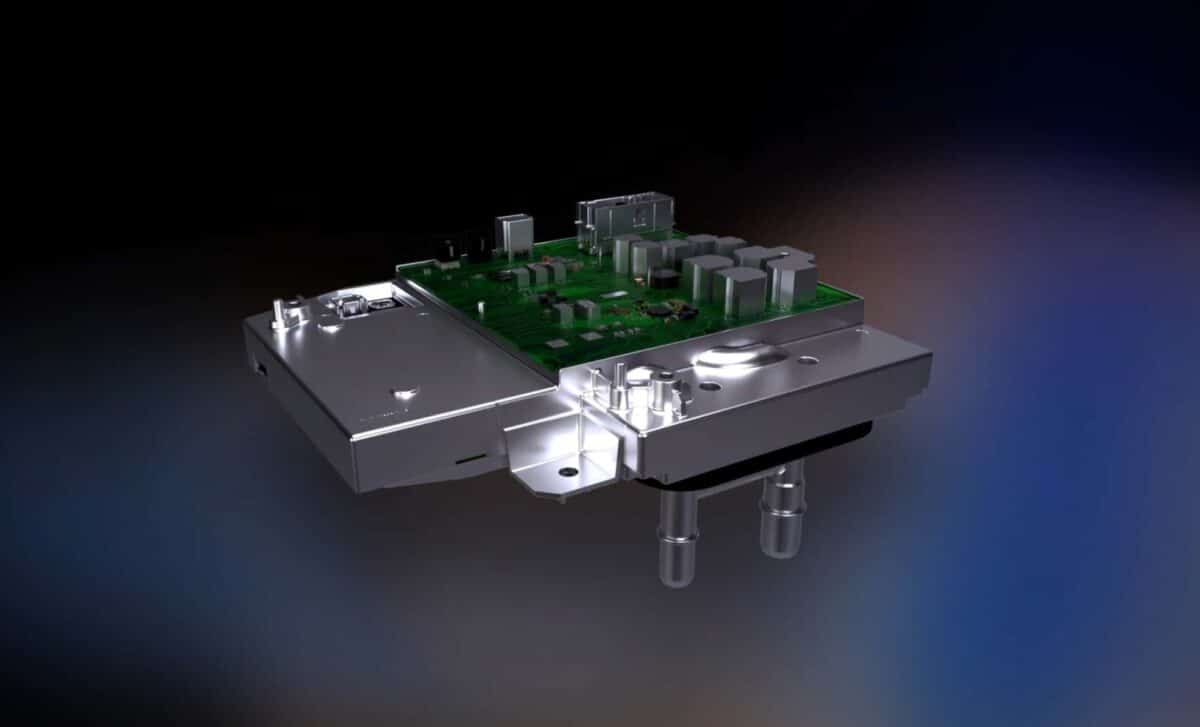
In addition to AI, Ford is also enhancing its vehicles’ internal computing capabilities. The new High Performance Computer Center, developed in-house by Ford, is designed to centralize the vehicle’s computing needs. This compact, powerful unit will handle everything from infotainment and automated driving to audio and connected networking, offering a more streamlined and reliable system for users.