For decades, wagons have been a staple of Mercedes’ portfolio, especially in Europe. Yet changing consumer preferences, driven largely by the rise of SUVs, are reshaping priorities inside the German automaker. The hesitation to approve an electric C-Class wagon reflects a broader reassessment of what buyers actually want.
The issue is not limited to a single region. According to statements, demand has weakened in the United States, China, and even Europe, traditionally a stronghold for estate cars. That reality is forcing Mercedes to reconsider how many wagon models can remain viable in the coming years.
A Global Decline in Wagon Demand
Robert Lešnik, Mercedes-Benz’s Head of Exterior Design, offered a candid assessment of the situation. Speaking to Autocar, he explained that while wagons are appreciated by designers and journalists, “nobody is buying them” anymore. His comments highlight a growing disconnect between industry enthusiasm and consumer behavior.
According to the same interview, regional differences play a major role. In the United States, Mercedes previously attempted to market wagon-style vehicles such as the CLS Shooting Brake, but sales failed to materialize. In China, customer interest is even lower, with buyers reportedly not understanding the appeal of wagons. Europe remains the only significant market, yet even there affordability is becoming a constraint, especially for higher-end models like the E-Class Estate.
This combination of weak demand across major markets leaves Mercedes with limited incentive to expand its wagon lineup further.
Electric C-Class Wagon Remains Uncertain
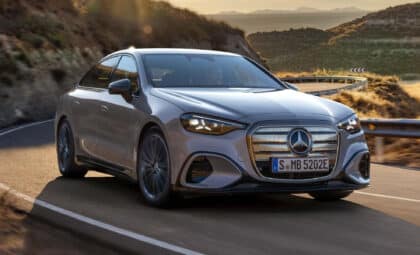
The declining popularity of wagons is directly affecting future product planning. Mercedes recently introduced a new electric C-Class sedan, considered the sixth generation of the nameplate. Historically, every C-Class generation since the mid-1990s “S202” has included an estate version.
That continuity may now be broken. According to Motor1, Mercedes is reluctant to approve a wagon variant of the electric C-Class, citing insufficient demand. If the decision holds, it would mark the first time the model line skips a wagon body style entirely.
The hesitation comes despite internal appreciation for wagons. Lešnik himself expressed admiration for the format, even calling the current E-Class Estate “almost perfect.” Still, market realities appear to outweigh design preferences.
Existing Models Remain, but Long-Term Outlook Unclear
Despite the uncertainty, Mercedes is not abandoning wagons altogether, at least for now. The company continues to offer combustion-powered models such as the C-Class Estate, known internally as the S206, which is expected to receive a mid-cycle facelift and remain in production for several more years.
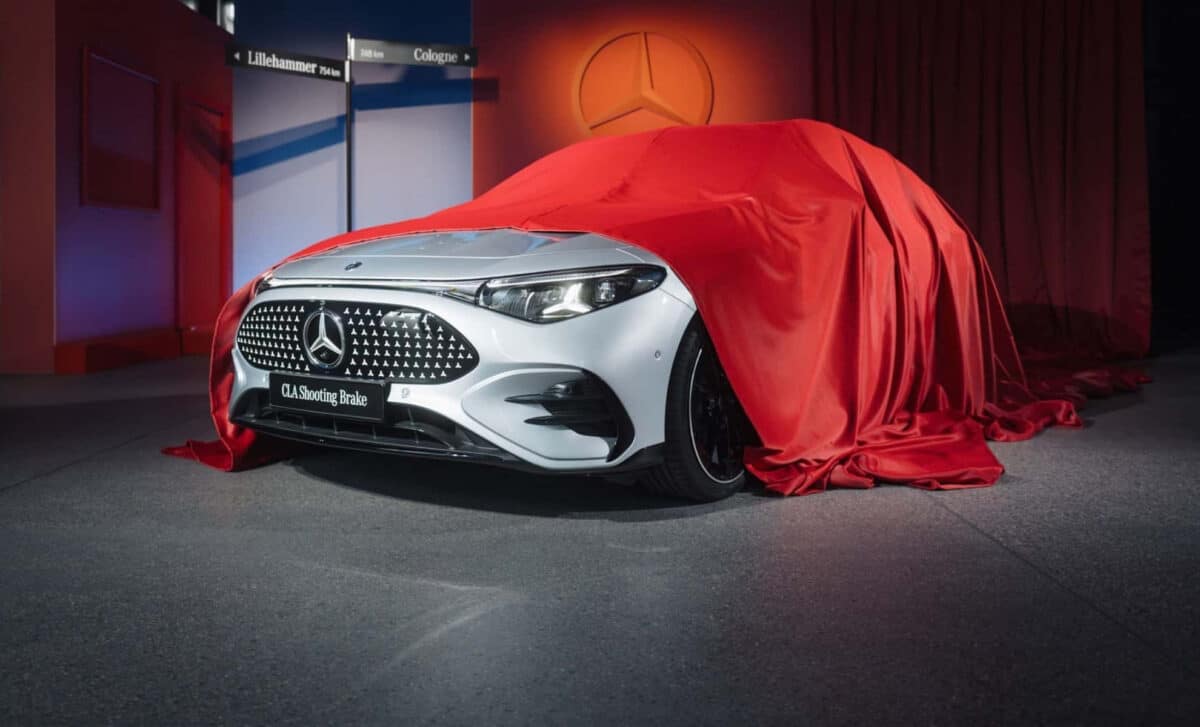
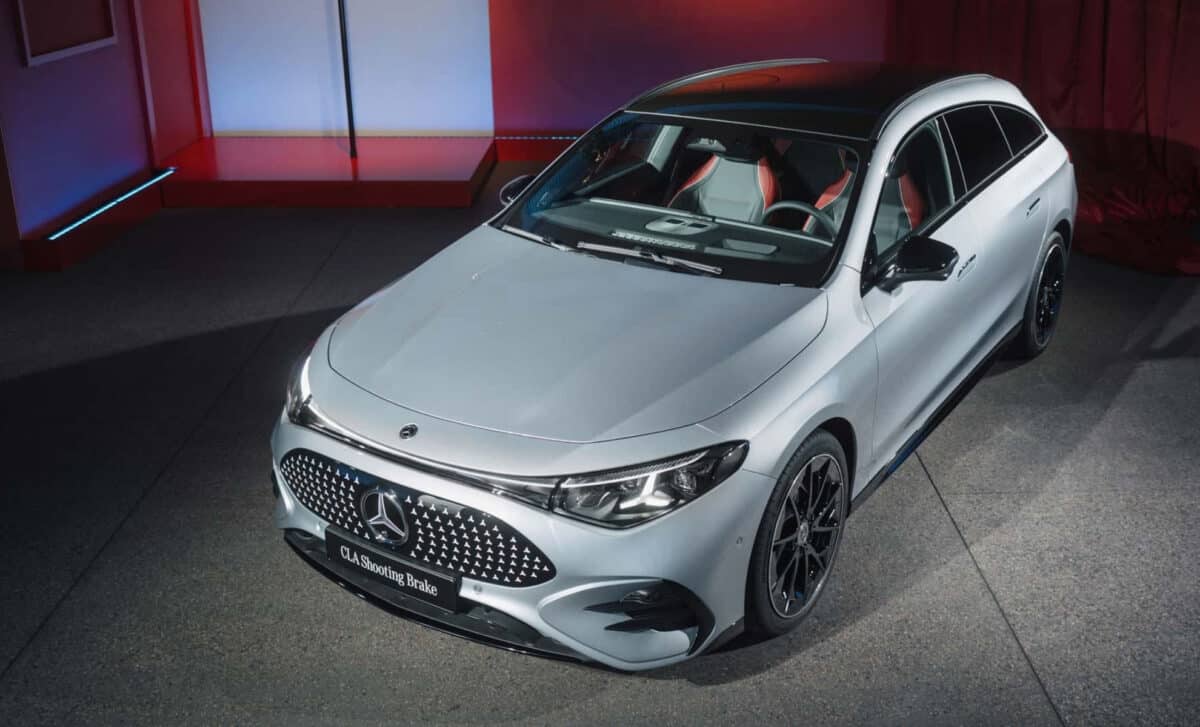
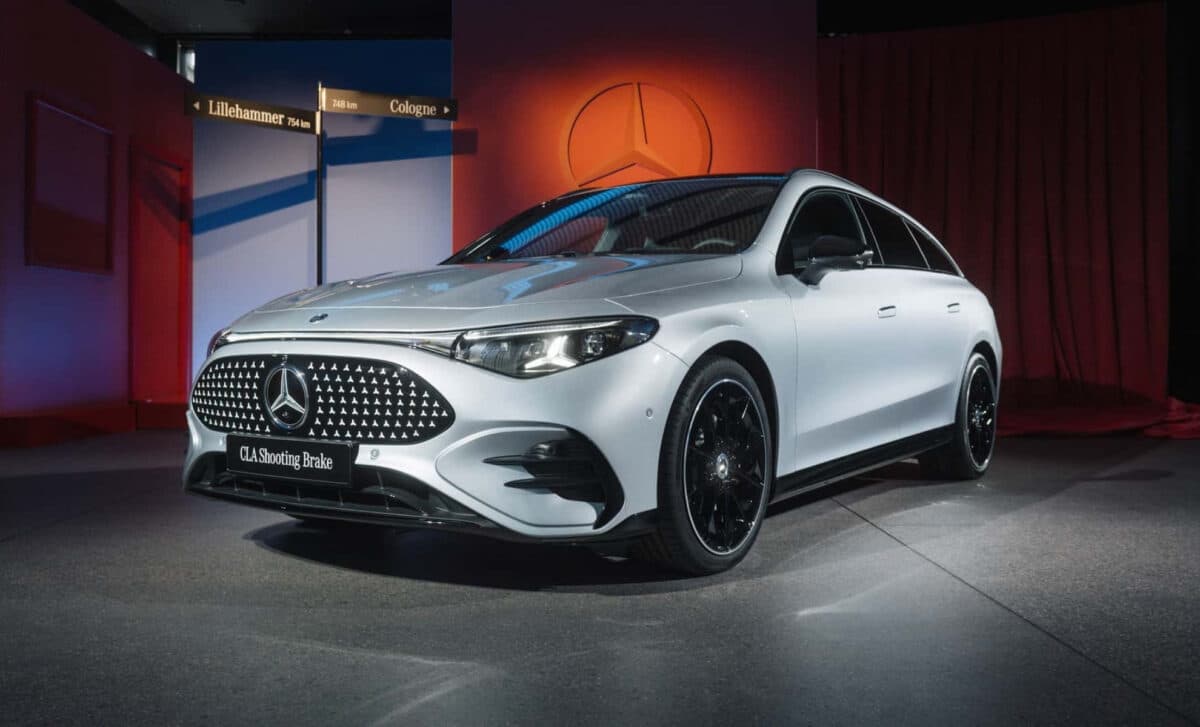
Other models are also holding their ground. The CLA Shooting Brake is available with both internal combustion and electric powertrains, while the E-Class Estate continues as part of the lineup. The now-discontinued CLS Shooting Brake serves as a reminder that even well-regarded designs can struggle commercially.
Competitors are navigating similar questions. BMW has teased an i3 Touring that could rival a potential electric C-Class wagon, though it has not committed to broader wagon expansion. The broader trend remains clear: SUVs continue to dominate, drawing attention and investment away from traditional estate cars.
Mercedes appears to be adjusting accordingly, focusing on higher-volume models like the GLC. For now, wagons persist, but their long-term future within the brand remains increasingly uncertain.