
Nissan used a media event in Yokohama to present its medium-term direction, offering early insights into technologies and vehicles still in development. The automaker showcased both experimental systems and production-bound models, signaling a shift in priorities across its global lineup.
The announcements also reflect broader industry pressures, from electrification to pricing challenges in key markets like the United States. As Ivan Espinosa noted during the presentation, demand remains strong in several segments, though profitability and regulatory constraints are shaping what comes next.
Autonomous Driving and AI Take Center Stage
Nissan is placing artificial intelligence at the core of its future vehicles with the introduction of its “AI Drive” system. The technology is designed to work alongside the existing ProPilot suite, with the long-term objective of enabling fully hands-free driving.
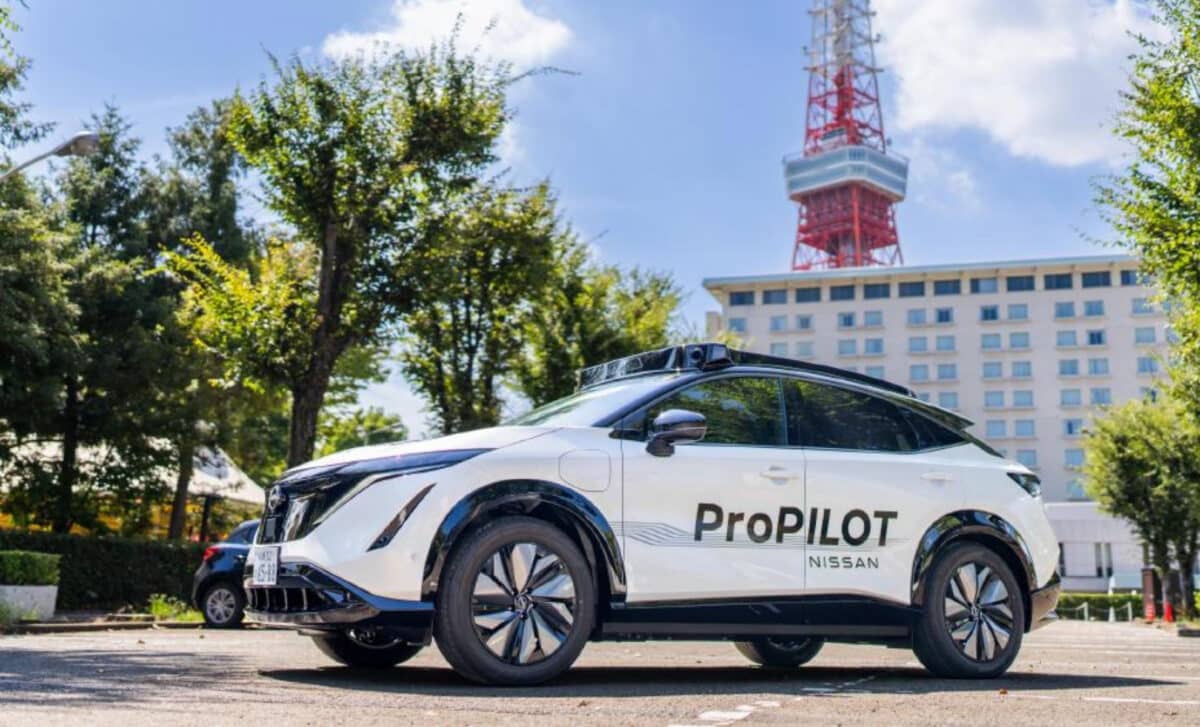
During a demonstration in Tokyo, a Nissan Ariya equipped with 11 cameras, five radar sensors, and a roof-mounted LiDAR system navigated dense urban traffic without driver input. The experience, as reported by Motor1, was described as smooth and uneventful, highlighting the system’s maturity.
The company plans to expand this technology rapidly. According to its leadership, up to 90 percent of future models will incorporate some form of AI Drive. Nissan also confirmed a partnership with Uber to deploy autonomous taxis in Tokyo, with the intention of eventually adapting the system for consumer vehicles.
Electrification Evolves with Hybrid Focus and Lineup Changes
While fully electric vehicles remain part of the strategy, Nissan is accelerating its hybrid efforts, particularly in the United States. A key development is the upcoming Rogue hybrid, which will use the third-generation E-Power system.
Unlike conventional hybrids, E-Power relies on a gasoline engine solely as a generator, while electric motors handle all wheel movement. The system will feature a new 1.5-liter three-cylinder engine, though performance figures have not yet been disclosed.
At the same time, the company is reassessing its broader lineup. Ivan Espinosa confirmed that Nissan will reduce its global portfolio from 56 models to 45, focusing on what he described as “profitable, high-impact vehicles”. Some adjustments may affect the U.S. market, with certain models potentially discontinued.
The strategy also includes rethinking transmissions. Continuously variable transmissions will remain in smaller, economy-focused vehicles but are being phased out of larger models like the Murano and Pathfinder in favor of traditional automatics. Performance cars will not use CVTs at all.

Performance Heritage and Off-Road Identity Return
Alongside its technological push, Nissan is revisiting its performance and off-road roots. The company confirmed the return of the Xterra, which will be built as a body-on-frame SUV aimed at reinforcing its rugged image. It is expected to start below $40,000 and retain a V6 engine, with hybrid assistance likely.
Performance enthusiasts are also a focus. Infiniti is preparing a new manual transmission sedan with “high horsepower,” potentially exceeding 400 horsepower. More details are expected later this year.
Nissan is also working on a new four-door Skyline inspired by earlier models, though it will not be sold in the United States. Its closest counterpart for that market will likely be the upcoming Infiniti sedan.
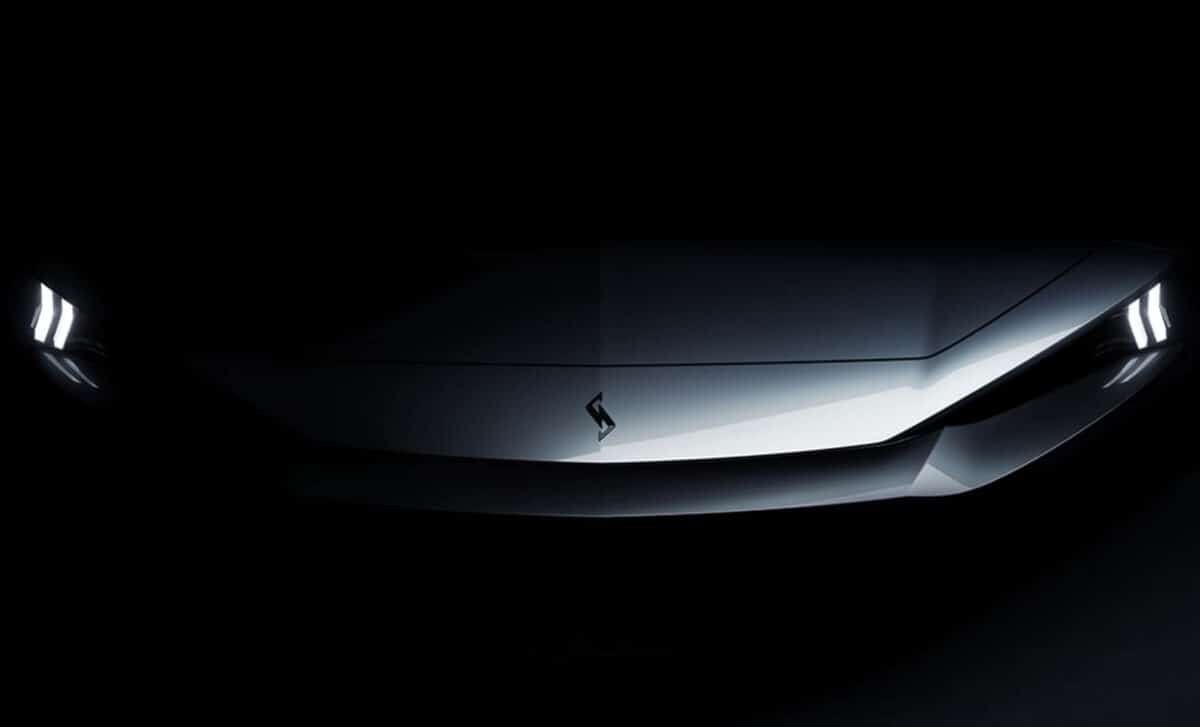
Meanwhile, the possibility of reviving the Silvia remains under consideration. Richard Candler, the company’s global head of product strategy, stated that there is still space for such a model, though no confirmation has been given.
The next-generation GT-R, known as the R36, will adopt a hybrid powertrain rather than going fully electric. Company executives emphasized that performance remains the priority, making clear that a fully electric GT-R is not part of the plan at this stage.