
Tesla has long promoted the longevity of its batteries as one of the key selling points of its vehicles. However, the findings from EV Clinic, which specializes in battery analysis, suggest that some of Tesla’s vehicles—specifically those with LG NCM811 battery packs made in China—may not live up to these claims.
The study points out that these battery packs show signs of critical degradation much earlier than their Panasonic counterparts. While the LG packs are said to reach degradation after approximately 240,000 to 250,000 kilometers, the Panasonic batteries typically last until around 400,000 kilometers. This substantial difference raises questions about the quality and longevity of the LG-made batteries, particularly for those owning Tesla models manufactured in China.
Early Degradation of LG Battery Packs
According to EV Clinic, the LG NCM811 battery packs used in some Tesla Model 3 and Model Y vehicles experience significant degradation far sooner than the Panasonic NCA packs. On average, the LG battery packs show critical signs of wear after just 240,000 to 250,000 kilometers, whereas the Panasonic packs endure for an additional 150,000 kilometers before experiencing similar issues.
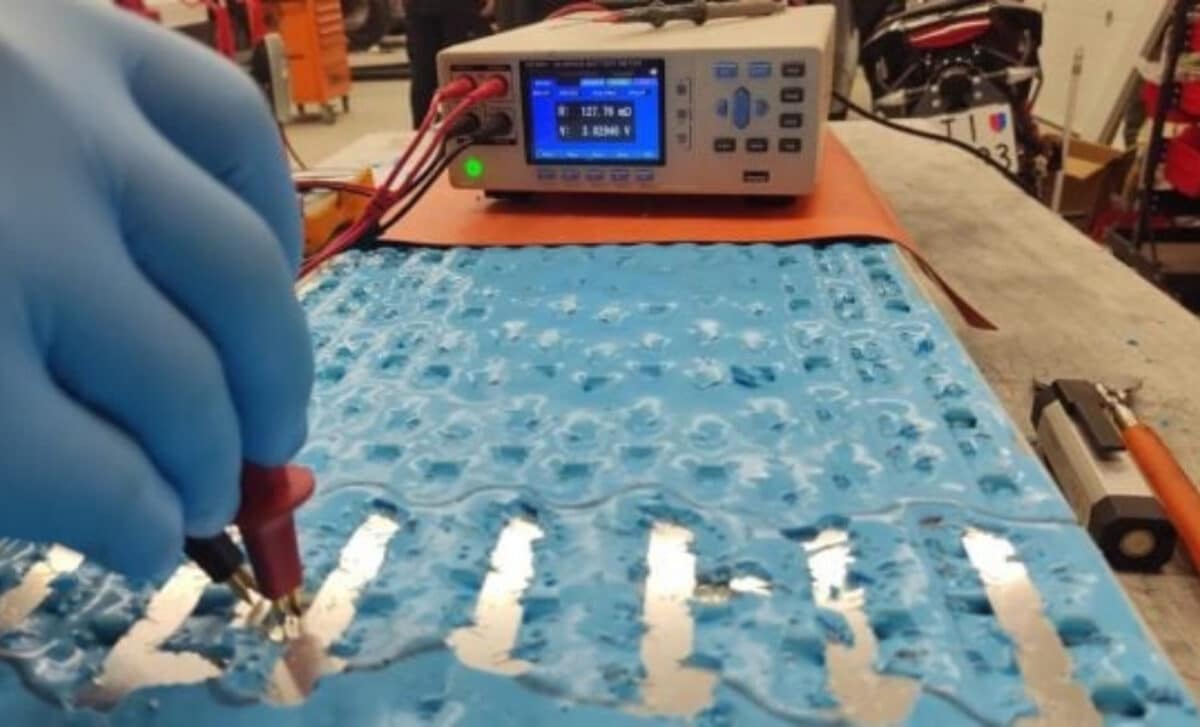
This discrepancy in lifespan—roughly a 150,000-kilometer difference—was particularly evident in the high internal resistance measured in the LG cells. In some cases, the internal resistance of these cells was found to be far above the normal level, with 15 cells in a 46-cell module exceeding 100 mΩ, far from the healthy range of 10 to 15 mΩ. This suggests that a large part of the LG pack deteriorates at once, rather than individual cells failing over time.
Challenges in Repairing LG Battery Packs
The study also highlights the near-impossibility of repairing the LG battery packs effectively. EV Clinic found that more than 90% of the LG NCM811 packs they examined could not be repaired at the cell level.
The degradation of the cells is so widespread that replacing just a single module doesn’t prolong the life of the pack; instead, it only delays the inevitable breakdown of the other cells. The researchers noted that replacing a single module often leads to a “cascade failure,” where surrounding cells begin to degrade, and the battery continues to deteriorate rapidly.
As a result, EV Clinic reported losing over 20,000 euros per month in attempts to repair these packs. The repair process simply doesn’t offer a sustainable solution for extending the life of these batteries.
In contrast, the Panasonic NCA batteries exhibit better repairability. For example, when a failure occurs in a Panasonic pack, it usually involves only one cell, and the pack can be repaired cost-effectively by replacing that single faulty cell. This makes the Panasonic battery packs much easier and more economical to repair over time.
Transparency and the Secondary Market
One of the major issues raised by the study is the lack of transparency regarding the battery sourcing in Tesla vehicles, particularly in Europe. Many Tesla Model 3 and Model Y vehicles sold in Europe are made in China and equipped with the LG NCM811 battery packs.
However, this information is not always clear to consumers, as the Vehicle Identification Number (VIN) can sometimes indicate the origin of the car, but it is not always transparently shared. This creates a problem for second-hand buyers who may unknowingly purchase a vehicle with a battery that has a significantly shorter lifespan.
As EV Clinic explains, the use of LG batteries in Tesla’s Chinese-made vehicles may have implications for the value and resale potential of these cars, particularly for European consumers. Tesla has not publicly provided clear data on the failure rates of these batteries based on their country of origin, leaving customers in the dark about the potential long-term issues with their vehicles.