

A study by Geotab, which analyzed 22,700 vehicles, shows that the annual degradation of the battery almost doubles when charging frequently above 100 kW. However, after eight years of use, the battery still retains more than 78% of its capacity, which remains largely acceptable for most drivers.
As electric vehicles (EVs) become more mainstream, the availability of ultra-fast charging stations is growing, with promises of reducing charging times to around 30 minutes for a 20-80% battery charge. However, this convenience comes at a cost.
Geotab’s study highlights that frequent use of high-powered DC chargers, those over 100 kW, accelerates battery wear. While modern batteries are designed to withstand the test of time, this faster degradation is something drivers should be aware of.
The Threshold of 100 KW: A Turning Point for Battery Life
The study’s key finding centers on the power of the charge. Vehicles that use ultra-fast charging stations over 100 kW regularly experience a much quicker loss of battery capacity. Geotab reports that cars using DC rapid charging for less than 12% of their total charging sessions show an average degradation of 1.5% per year.
However, when this rises above 12% of total charging sessions, the annual loss of capacity jumps to about 2.5%. In the most extreme cases, where rapid charging is used nearly all the time, the battery can lose as much as 3% per year, almost double the degradation seen in vehicles charged with lower-powered AC or DC sources.
This accelerated degradation is due to a phenomenon known as “lithium plating.” At higher charging speeds, lithium tends to deposit as metal on the anode rather than properly embedding into the electrode, which reduces the battery’s overall storage capacity. Both dominant battery chemistries, lithium iron phosphate (LFP) and nickel-manganese-cobalt (NMC), are affected by this, though LFP batteries tend to be more resistant to the stress caused by rapid charging.
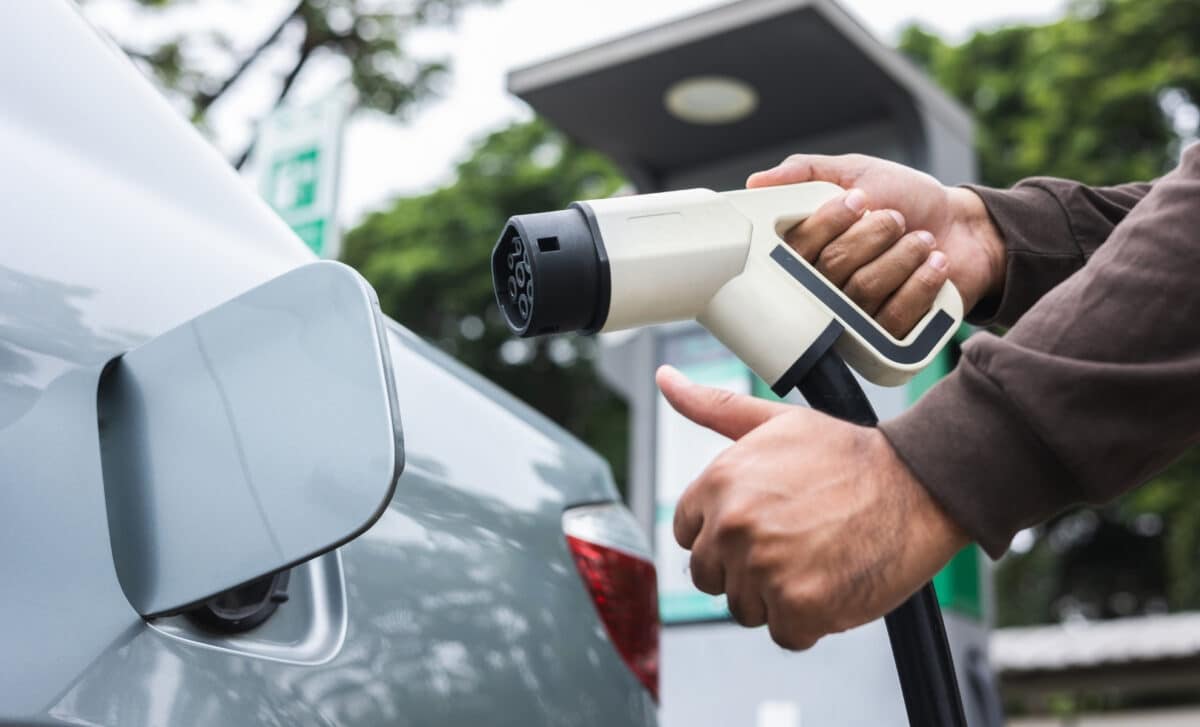
The Role of Temperature in Battery Degradation
Besides charging power, temperature is another important factor influencing battery health. Geotab’s study reveals that in regions with an average temperature above 25°C, battery degradation increases by around 0.4% per year compared to more temperate climates.
On the flip side, attempting a rapid charge in freezing conditions can lead to permanent structural damage to the battery. This is why modern EVs now come equipped with thermal preconditioning systems that heat the battery to its optimal temperature before initiating fast charging. These systems are essential in preventing long-term damage due to extreme temperatures.
While such systems help mitigate the risks, the impact of temperature should not be underestimated, especially in regions with extreme weather. Drivers in these areas should remain mindful of how temperature fluctuations might affect their EV’s battery lifespan.
Debunking the 100% Charge Myth
A common misconception is that regularly charging an electric vehicle to 100% could harm its battery life. Geotab’s study puts this to rest, stating that occasional full charges do not significantly impact battery longevity. The real issue arises when vehicles frequently stay at extreme charge levels, either below 20% or above 80%, which can speed up the degradation process. Repeatedly charging to these extremes, rather than occasional 100% charges, is the primary factor that contributes to faster aging.
In general, more frequently used vehicles experience a degradation rate approximately 0.8% faster than those that see less use. However, even with this accelerated wear, the difference remains relatively small when compared to the overall operational benefits, especially on long highway trips. After eight years of use, the study notes that batteries typically retain 81.6% of their original capacity, with those exposed to more rapid charging retaining 78%. This is still well above the 70-75% state of health (SOH) guaranteed by manufacturers.
Ultimately, Geotab’s findings suggest that while ultra-fast charging does impact battery life, the decrease in capacity remains manageable, and drivers need not worry about significant performance drops even after several years of use.