
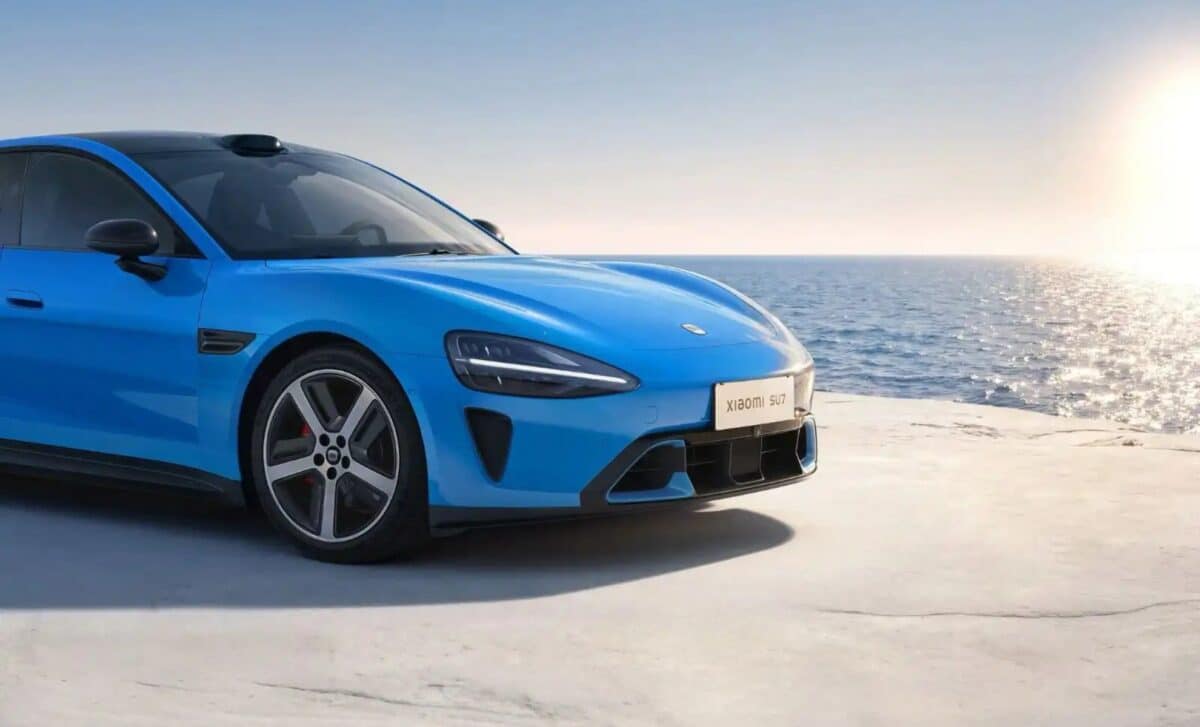
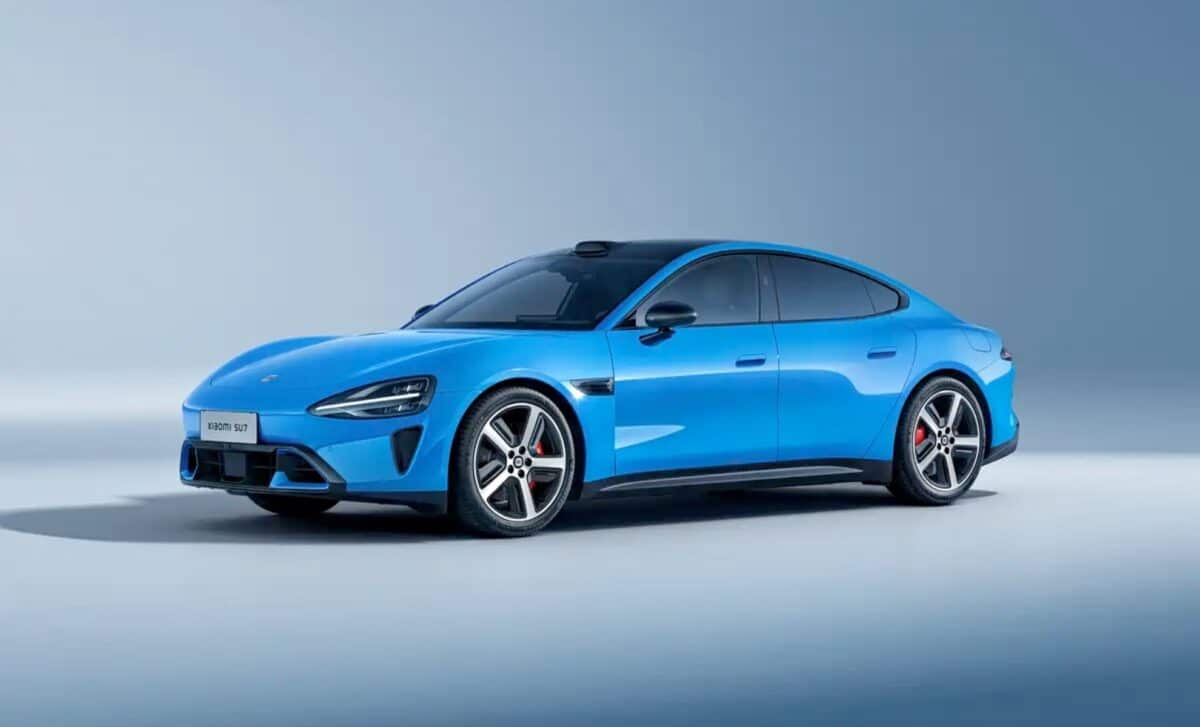
In a surprising turn of events, a Xiaomi SU7 electric car has proven that the longevity of modern EV batteries might be exceeding expectations. After covering 265,000 kilometers in just 18 months, the battery in this particular model still holds 94.5% of its original capacity, a feat that goes far beyond the typical battery performance warranties offered by most manufacturers.
This impressive durability of the Xiaomi SU7’s battery not only highlights the advancement of electric vehicle technology but also raises questions about the sustainability of electric cars in the long term. While many electric vehicles start to show significant capacity loss after relatively lower mileages, this specific model has raised the bar, showing the potential for extended battery life.
A Remarkable Battery Performance
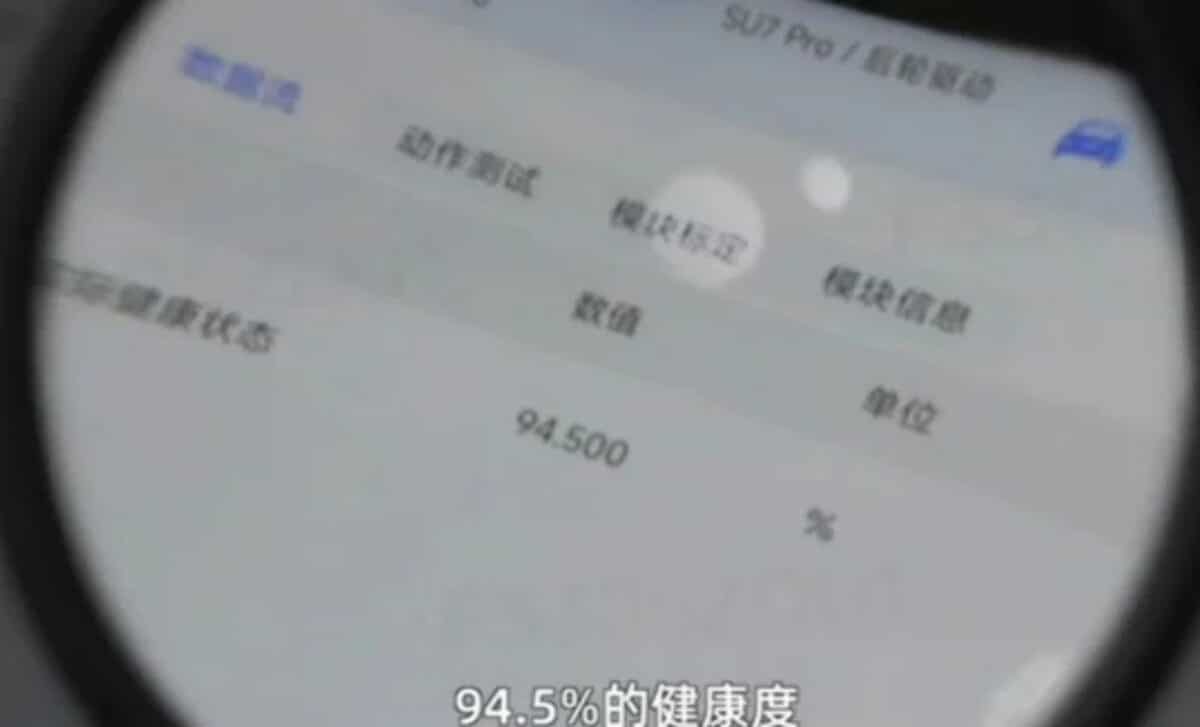
The battery of the Xiaomi SU7 has been the highlight of this extraordinary case. After a staggering 265,000 kilometers driven in just 18 months, the battery retains an impressive 94.5% of its original capacity, according to Xiaomi’s diagnostics. This is far above industry standards, where most manufacturers offer warranties for 150,000 to 160,000 kilometers with a typical 20% to 30% degradation in battery capacity over that distance.
Mr. Feng, the car’s owner, was shocked when he saw the results. “I thought I would be at around 90% at best,” he said, according to L’Automobile Magazine. With a daily average of about 600 kilometers, his vehicle has undergone approximately 506 complete charge cycles. Despite this intense usage, the battery has only lost 5.5% of its capacity, showcasing not just the longevity but the efficiency of the newer generation of NCM (Nickel-Cobalt-Manganese) batteries used in the Xiaomi SU7.
Mechanical Components in Great Condition
The battery performance isn’t the only impressive aspect of the Xiaomi SU7. The car’s mechanical condition is also exceptional. Despite being driven daily for long distances, the brake pads have not needed replacement, a clear sign of the benefits of regenerative braking used in electric vehicles. This system recovers energy when braking, reducing the wear on traditional brake components.
Additionally, the car’s tires are still in great shape, with 8 millimeters of tread depth, close to that of a new car. The cooling system also remains in top condition, with no contamination or water buildup, and the coolant still has a freezing point of -38°C. These findings illustrate the minimal wear the car has experienced, something that would be rare in traditional gasoline-powered vehicles under similar use conditions.
Viral Attention and Company Impact
The remarkable performance of the Xiaomi SU7 quickly went viral on Chinese social media platforms like Weibo and Bilibili, drawing attention from millions of viewers. This not only brought recognition to the vehicle but also caught the eye of Lei Jun, the CEO of Xiaomi, who shared the news publicly. This viral moment has given the car a significant marketing boost, with Mr. Feng now aiming for 600,000 kilometers within three years, further promoting the durability of the vehicle.
The buzz surrounding the Xiaomi SU7 has positioned the company as a more serious player in the electric vehicle market. The viral attention from this case highlights how a single impressive real-world example can drive consumer interest, particularly as the electric vehicle market continues to grow worldwide.
A New Era of Electric Vehicle Performance
The performance of the Xiaomi SU7 comes at a crucial time for the company. Recently, Xiaomi rolled out significant updates for its electric vehicle lineup. The new models include a more powerful V6s Plus motor, which boosts the horsepower of the Standard and Pro versions from 299 to 320 horsepower, and the Max version from 673 to 690 horsepower.
This upgrade also includes improvements in the car’s electrical architecture, with higher voltage systems, 752 V for the Standard and Pro versions and 897 V for the Max model, leading to faster recharging times and longer driving ranges.