
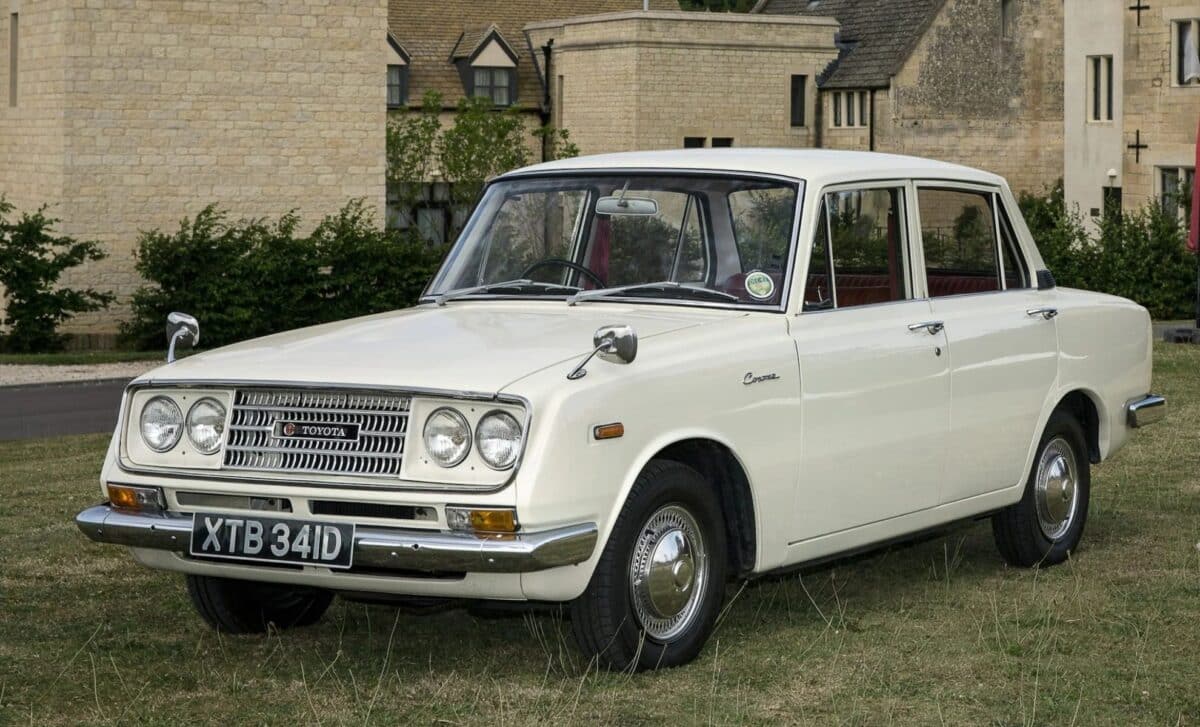
This well-preserved model, part of Toyota’s heritage fleet, not only represents a crucial chapter in the brand’s UK history but also underscores the rapid expansion of the Japanese car industry in the 1960s. It remains an enduring symbol of Toyota’s early success in challenging the British and American markets.
The Toyota Corona was first introduced in 1957, and by 1964, the third-generation T40-series was launched as a direct competitor to the Nissan Bluebird. The 1966 model holds special significance as the first Toyota saloon to be offered in the UK, marking the company’s entry into a market that had traditionally been dominated by British and European brands.
While the T40-series Corona was not the first Japanese car to reach the UK—preceded by the Daihatsu Compagno—it was certainly the most successful in establishing Toyota as a serious contender. The Corona quickly gained attention for its reliability, attractive styling, and solid performance, breaking down barriers in a market that was skeptical of foreign cars.
Breaking into the UK Market
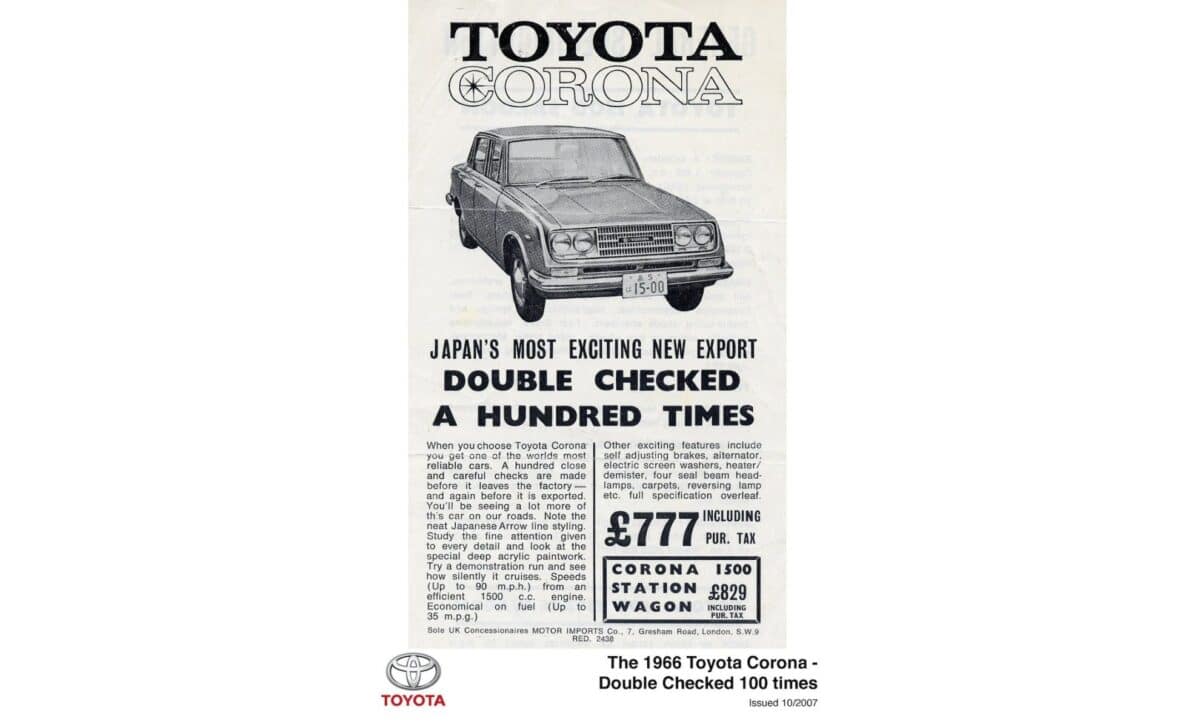
Toyota’s introduction to the UK market was a calculated effort to succeed where other Japanese manufacturers had faltered. According to The Telegraph, the company’s UK operations began on October 1, 1965, with the appointment of Pride and Clarke as its distributor. Unlike the poorly marketed Daihatsu Compagno, Toyota targeted the British public with a more professional approach, backed by the substantial reputation of its growing presence in Europe.
Toyota’s debut at the London Motor Show in 1965 was notable not only for the introduction of the T40-series Corona but also for the company’s careful attention to presentation. The stand featured Japanese lanterns and attractive displays that captured the public’s curiosity, while the cars themselves showcased features that would soon become hallmarks of Toyota: reliability, style, and value for money.
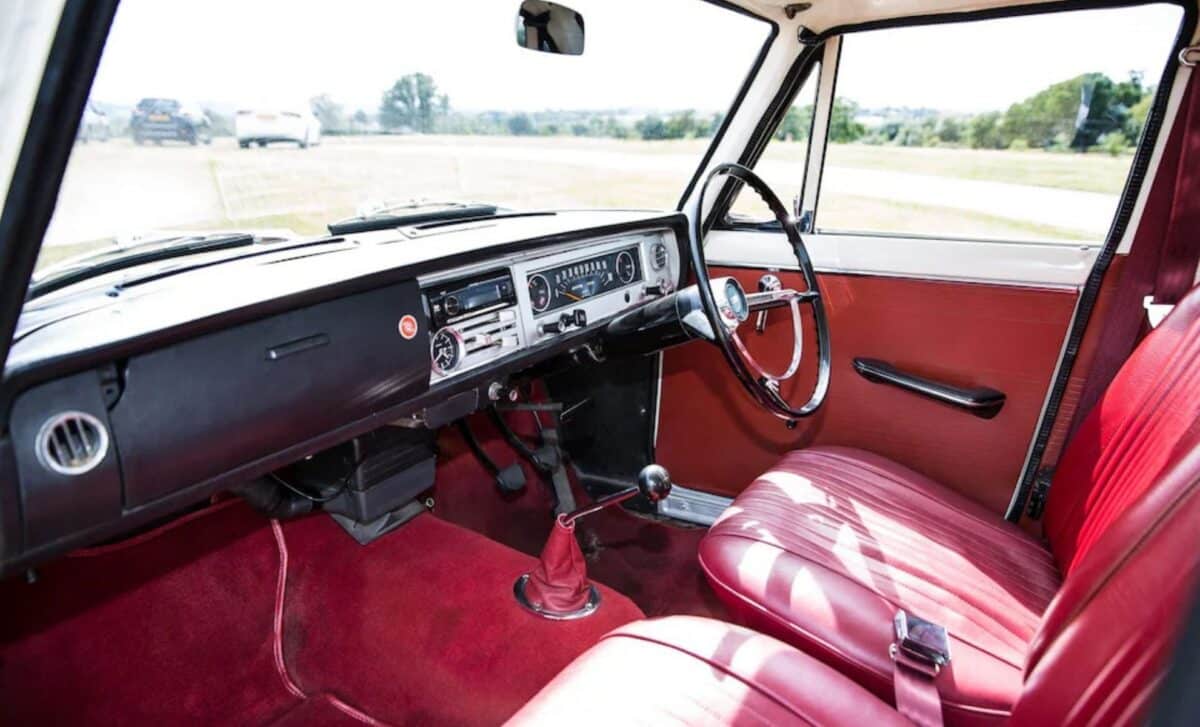
Despite being initially priced higher than some domestic models, the Toyota Corona was praised for its solid build and competitive features. For example, the 1966 Corona Deluxe came equipped with reclining front seats, tinted glass, a clock, and even a radio—features that were not always standard in European cars at the time.
As a result, the Corona quickly gained a reputation for being a “positive pleasure to drive,” according to Motor magazine, which admired its ease of handling and superior gearbox. By early 1966, the demand for Coronas had exceeded expectations, with Toyota dealerships placing orders for hundreds of units.
A Cultural Milestone for Toyota
What makes the 1966 Toyota Corona Deluxe so remarkable today is not only its rarity but also its place in the broader story of Toyota’s rise to prominence in the global automotive industry. This model helped Toyota establish a foothold in both the UK and the United States, where it was seen as a better alternative to many European imports.
While foreign cars were still a rarity in Britain during the 1960s, the Corona demonstrated that Japanese automakers could meet or even exceed the standards set by European manufacturers. Toyota’s success in the UK was not just about the cars themselves, but also about overcoming cultural and market barriers that had previously made Japanese cars an unlikely success.
The Corona was the first in a series of models that would eventually lead Toyota to become one of the world’s largest car manufacturers. In 1967, production reached a remarkable 30,000 units per month, and annual global exports hit over 80,000 units. According to Autocar, the T40-series was hailed as a symbol of Japan’s ability to produce cars that were both stylish and reliable, a combination that won the admiration of car buyers worldwide.
A Legacy That Endures
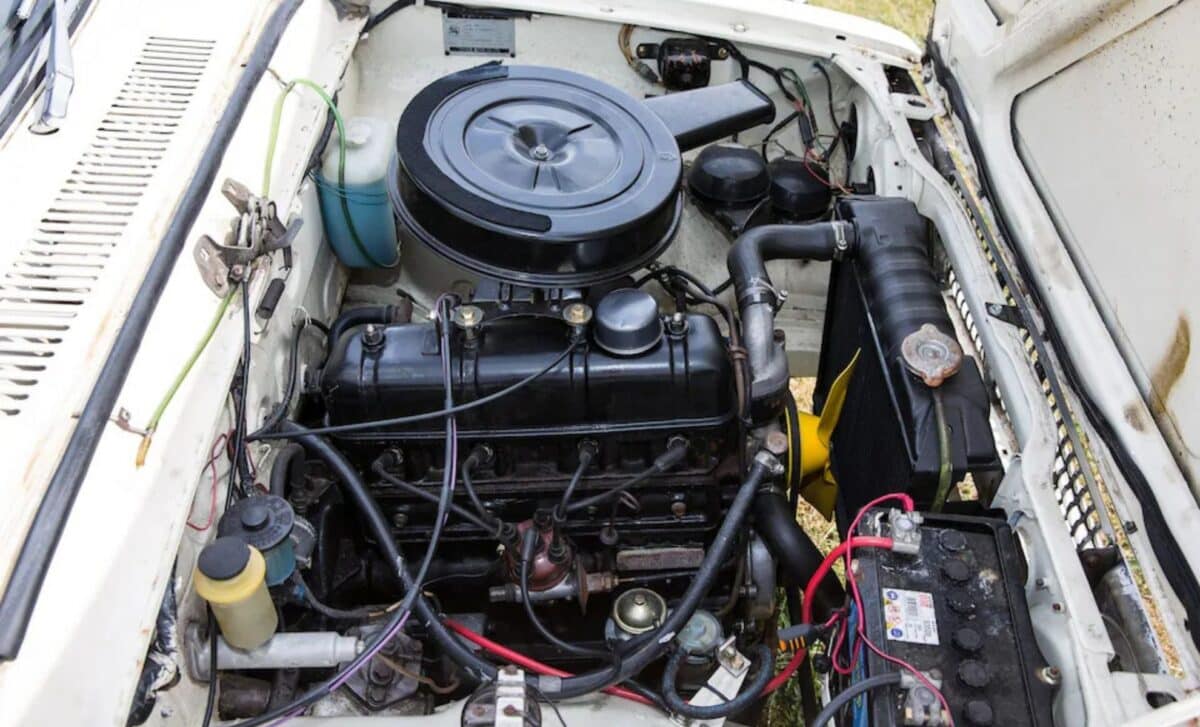
Today, only three examples of the 1966 Toyota Corona Deluxe are believed to remain in roadworthy condition, and one of them is part of Toyota’s heritage fleet. The significance of this model cannot be overstated, as it represents the company’s early commitment to quality and its pioneering efforts in international markets.
The white 1966 Corona Deluxe that now resides in the Toyota GB heritage fleet serves as a reminder of the pivotal role this car played in shaping the future of the company and the Japanese automotive industry.