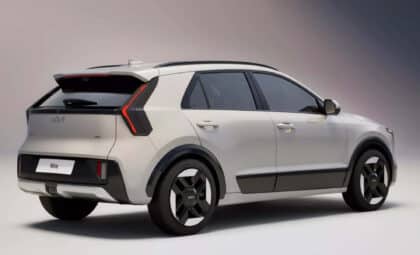
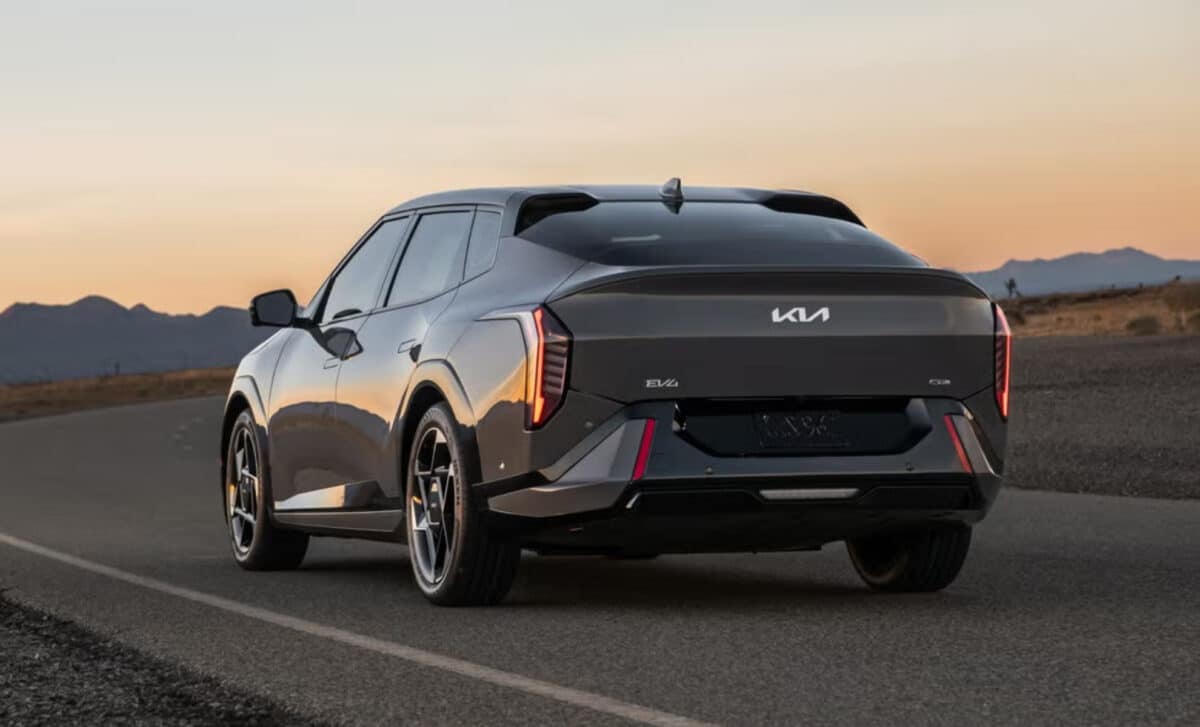
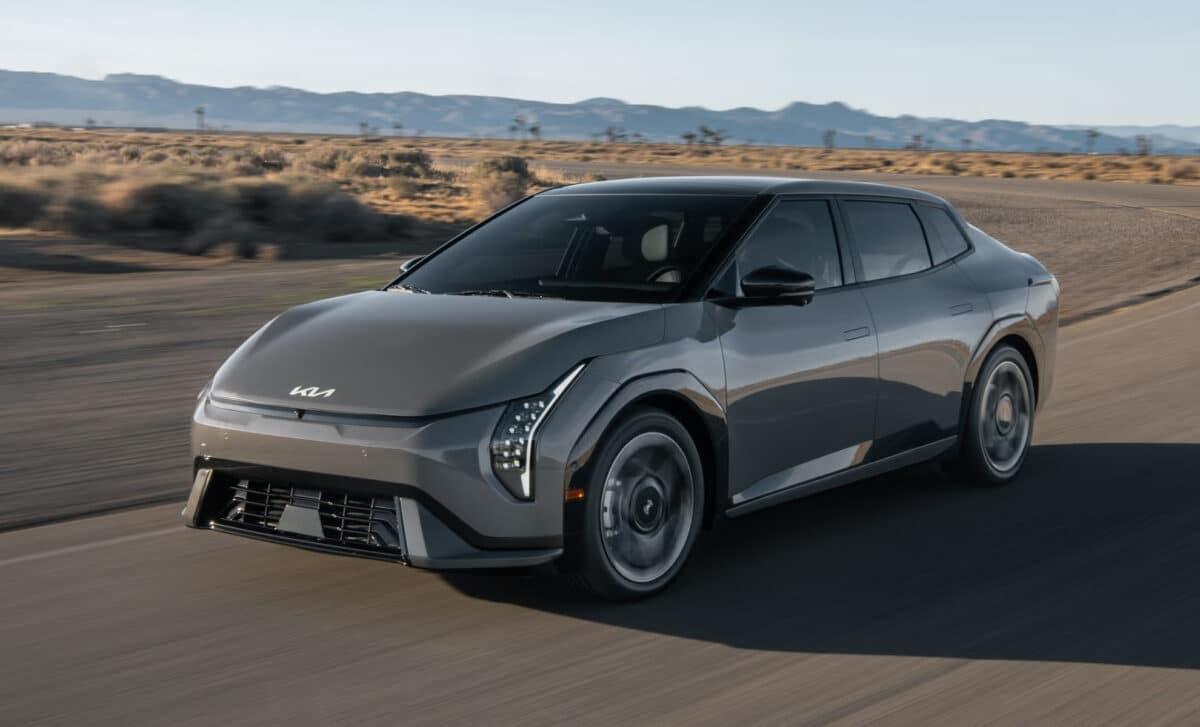
The tariff situation has created a significant hurdle for Kia’s strategy in the U.S. market. According to Russell Wager, Kia America’s vice president of marketing, the company cannot move forward with the launch of the EV4 or an electric pickup until tariff conditions stabilize.
Production of the EV4 began earlier in 2025, but its release in the U.S. will depend on a clearer tariff framework. While Kia remains optimistic about the vehicle’s arrival in Canada by 2026, the U.S. launch hinges on the resolution of tariff issues, especially with the 25 percent tariff still in place on some imports from Korea. Wager explained that if tariffs decrease, Kia could revisit the model’s business case for the U.S.
EV3 Still on Track, but Pricing Uncertainty Looms
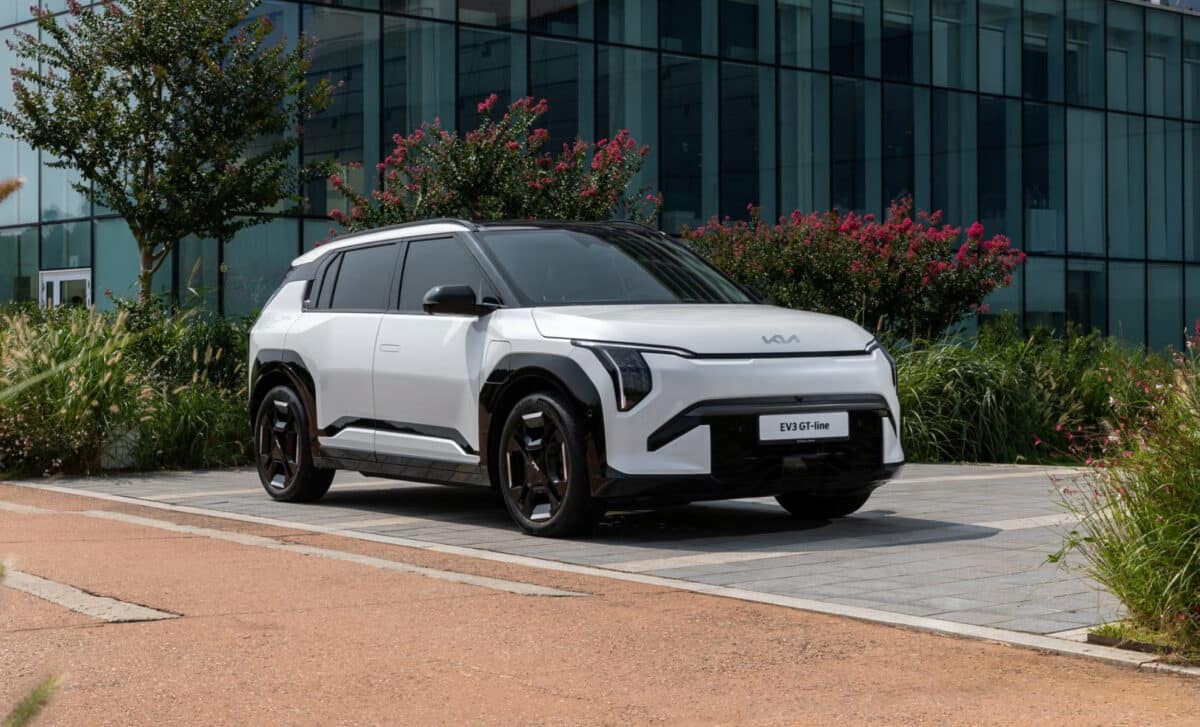
While the EV4’s fate remains in limbo, the smaller EV3 model is still expected to arrive in the U.S. market. Kia has seen a growing demand for smaller SUVs, which likely contributed to the decision to prioritize the EV3 over the EV4. However, Wager cautioned that pricing and availability for the EV3 remain uncertain, as the company is still evaluating the impact of tariffs on its overall pricing strategy. Both the EV3 and EV4 were expected to be affordable, with prices likely starting well below $40,000, reports Car and Driver.
The U.S. EV market has experienced significant volatility, especially with the expiration of federal tax credits. The result has been a drop in sales from 10 percent to just 4 percent in recent months. With many shoppers rushing to purchase EVs ahead of the tax credit’s expiration, Kia has found it difficult to predict the long-term demand for models like the EV3. Wager noted that a clearer picture of the EV market would likely emerge by early 2026, as the market adjusts to new economic realities.
Electric Pickup Faces Delays, Potential Cancellations
Kia’s plans for an electric pickup truck for the U.S. have also encountered significant delays. Initially confirmed in early 2025, the project has now returned to the “evaluation stage,” as Kia reassesses its options. Wager pointed to Ford’s struggles with its own electric pickup, the F-150 Lightning, which has faced fluctuating prices and ongoing production halts.
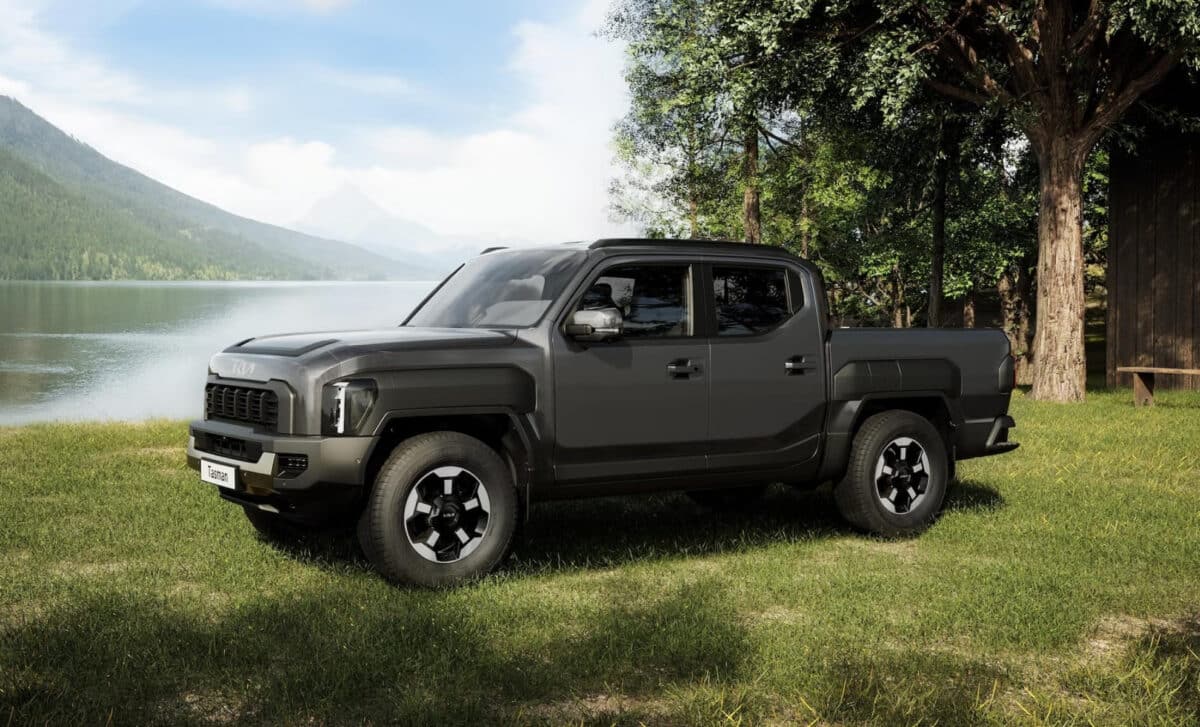
These developments have made Kia more cautious about moving forward with its own electric truck. Furthermore, the high tariffs on foreign-made trucks, such as the 25 percent “chicken tax” and additional import tariffs, make the introduction of models like the Tasman pickup nearly impossible in the current climate.
The electric pickup had been expected to join Kia’s expanding EV portfolio, but with the tariff situation remaining unresolved, the future of the model is now uncertain. Wager emphasized that although Kia has a robust range of EVs available internationally, the company needs to first address tariff concerns and gauge the U.S. consumer’s appetite for electric pickups before making any further commitments.
Rising Prices Due to Tariffs
The tariff turmoil has also raised concerns about the rising costs of production. Kia is currently contending with supply chain issues, which could lead to a price increase of up to 8 percent across all vehicle types by the end of the year.
As Wager put it, the company has managed to absorb some of the tariff costs for months, but continuing to do so is unsustainable. If the tariffs remain high, Kia will be forced to make tough decisions about pricing and production, potentially leading to higher prices for both EVs and gasoline-powered models.
Kia’s U.S. operations have been particularly affected by the tariffs on imported auto parts and materials. Although the company’s Georgia plant has been able to shift some production from the EV9 and EV6 to other models, Wager noted that the limited flexibility in U.S. production capacity could further limit the range of vehicles available to American consumers. With the possibility of price hikes across all models, Kia is faced with a delicate balancing act between maintaining affordability and staying competitive in a crowded U.S. market.